
Last updated November 15, 2026
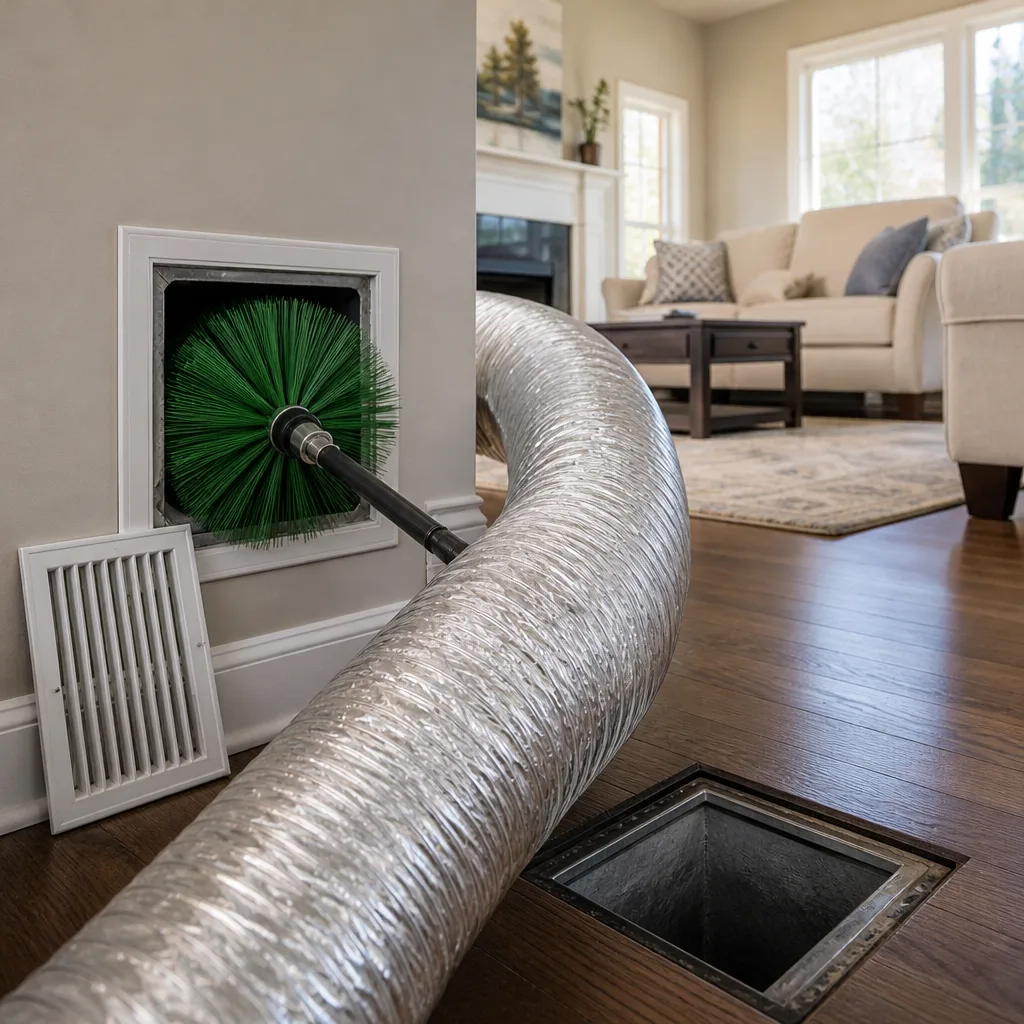 Whole-home duct cleaning
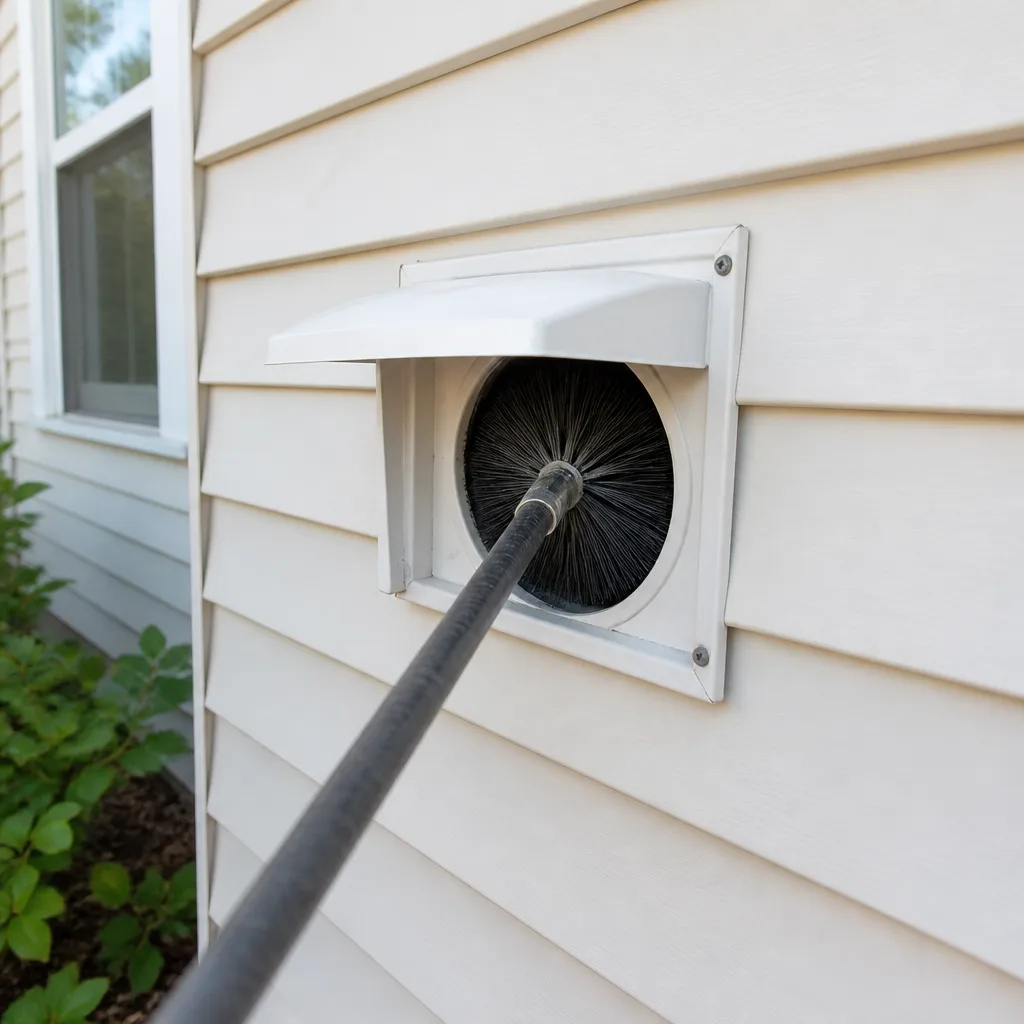 Dryer vent cleaning
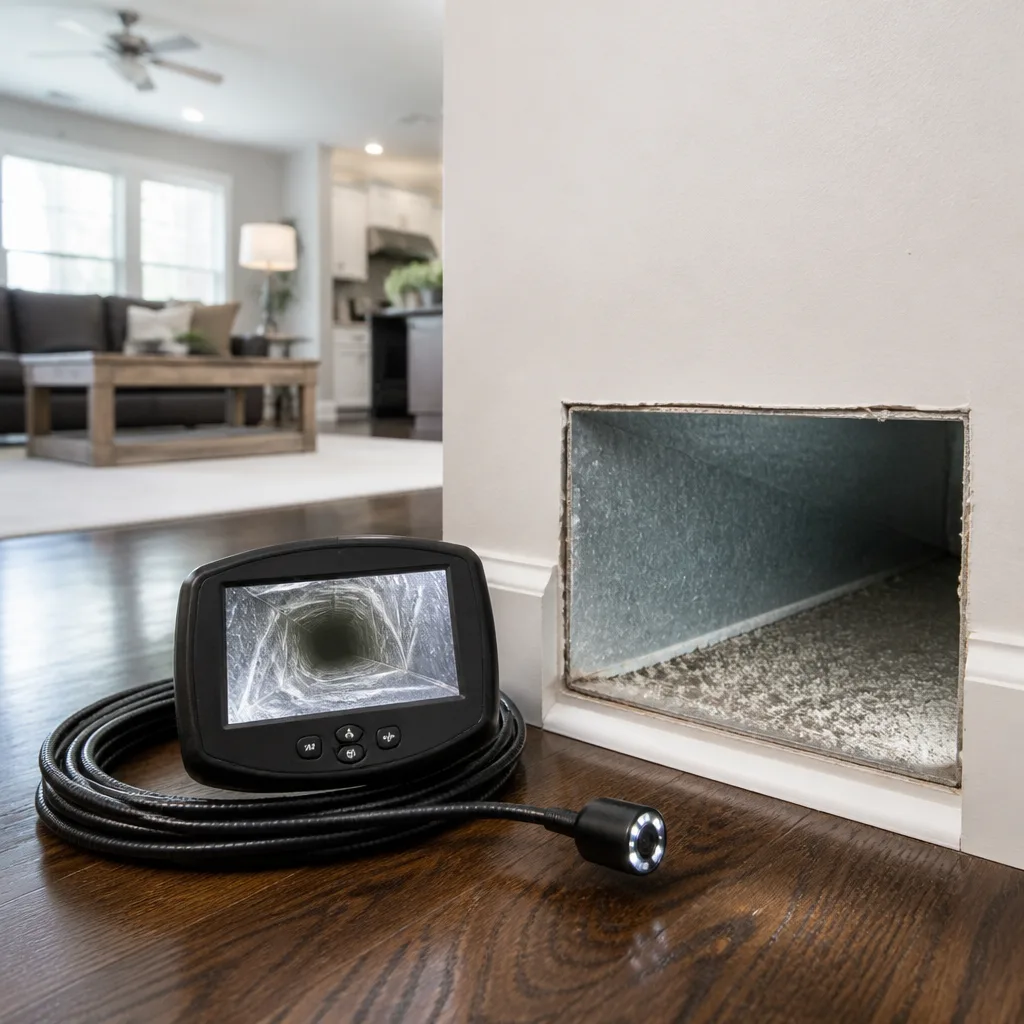 Camera inspection
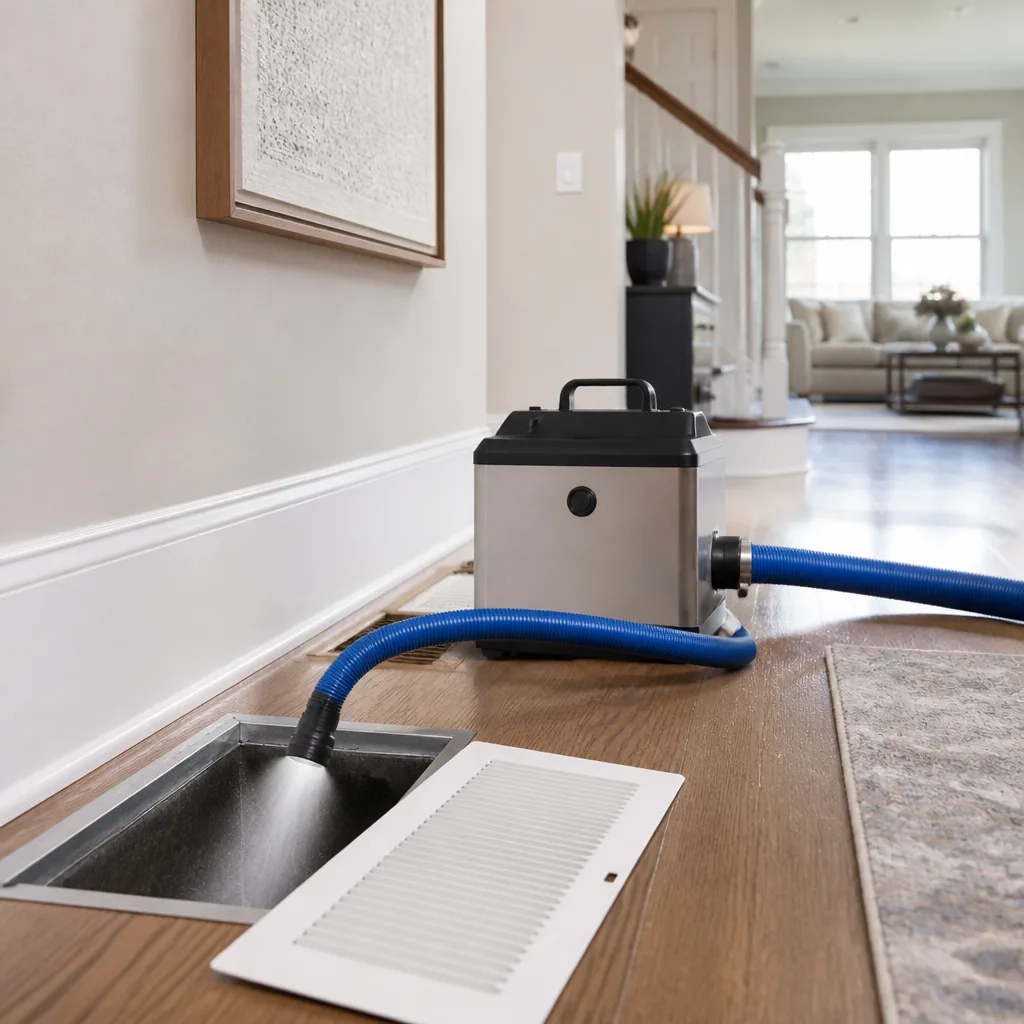 Sanitizing & deodorizing
Whole-system duct and dryer vent check with before-and-after photos - you see exactly what came out of your vents
That "$99 whole-house special" is a bait ad - the real number appears once they are in your hallway, or the "clean" is a shop-vac at the register. We photograph the inside of your ducts before and after instead.
Choosing the Right Air Duct Cleaning Brand: A Buyer’s Guide for Quincy
Three contractors can all claim to use “professional equipment.” One arrives with a Rotobrush system. One brings a Nikro negative-pressure unit. One shows up with a repurposed shop vac and a logo stuck to the side. Only one of those setups was engineered specifically for clearing ducts, and by the time you’ve booked, the price and the promise sound nearly identical. That’s the trap. Brand names on a website mean nothing until you know what the machines behind them were built to do.
This guide gives you that context for Quincy. You’ll learn what the major professional equipment lines actually accomplish, which methods complement each other, what to ask a contractor before you book, and how to set up a job so you know it was done right. We’re a Quincy business, and we’ve watched the local market long enough to know which questions separate a real process from a sales pitch.
Quick Answer
To choose a legitimate air duct cleaning company in Quincy, look past the brand names on the website and verify what the equipment is designed for: a contractor should use a rotary brush or contact agitation system and a HEPA-rated negative-pressure vacuum, because one loosens debris and the other captures it. Ask specifically which machines they use, when those machines were last serviced, and whether they can also repair damaged or disconnected ducts. A shop vac and a blower do neither job, no matter what the invoice says.
Styles & brands we work with
- Whole-home duct cleaning
- Dryer vent cleaning
- Camera inspection
- Sanitizing & deodorizing
Table of Contents
- What the equipment names actually mean
- Rotobrush systems and why duct diameter matters in Quincy homes
- Nikro negative pressure and whole-system source removal
- Abatement Technologies and post-cleaning particulate control
- Why the combination matters more than any single brand
- Equipment maintenance and calibration: the questions most homeowners never ask
- Cleaning versus repair: what one visit can tell you
- Beyond the ducts: dryer vents and indoor air quality
What the Equipment Names Actually Mean
Air duct cleaning has no meaningful licensing body, no standard tool requirement, and no single method everyone agrees on. That’s why the equipment is the best single signal you’ll get before a technician walks in the door. When a contractor names Rotobrush, Nikro, or Abatement Technologies, they’re telling you something specific about method, and you can verify whether those names line up with the task.
Three categories do most of the work. Rotary brush systems mechanically agitate the duct interior so caked-on debris lifts. HEPA-rated vacuums capture what’s lifted, holding it in the machine instead of letting it settle back into living space. Negative-air equipment puts the whole system or the work zone under controlled pressure so contamination moves one direction: out. A contractor with all three is running a process. A contractor with a shop vac is running a favor.
There’s a second layer most homeowners miss. Equipment is only as good as its condition. A HEPA vacuum running on a clogged filter or degraded seals is functionally a box with a hose. A rotary brush with worn bristles polishes a duct. That’s why the next few sections pair brand knowledge with questions you can actually ask on the phone.
Rotobrush Systems and Why Duct Diameter Matters in Quincy Homes
Rotobrush is the most recognizable name in residential duct cleaning, and it earned that spot with one design idea: contact vacuuming with simultaneous agitation. Instead of just pushing high-pressure air through a duct and hoping debris lets go, a Rotobrush head travels the duct interior, brushing the surface while the attached vacuum pulls loosened material into a HEPA-rated collection unit. That matters because a lot of duct debris isn’t floating around loose. It clings.
In Quincy, that distinction comes up often. A large share of the city’s housing stock is mid-century and older, and a lot of those homes run smaller-diameter residential trunk and branch ductwork than newer construction. Narrower ducts are harder to clean with pure air-whip methods because there’s less interior volume to work with and debris ends up packed along walls. A rotary brush system that maintains continuous contact is more effective in tighter runs. If a contractor tells you a rotary brush is overkill for a residential job, they’re telling you the truth: it’s frequently not overkill here.
Homeowners in neighborhoods like Wollaston and Montclair, with older furnace systems and retrofit duct work, often have duct runs that branch and turn in ways that air alone can’t clear. That’s exactly what brush contact handles better. If you’re weighing a cleaning against a repair, our air duct cleaning page explains where each job starts.
What to notice in the driveway:
- A dedicated rotary brush system with its own HEPA-rated vacuum, not a drill attachment
- Sealed connections at the register boots while cleaning runs, so loosened material isn’t pushed into a room
- Visible before-and-after photos of your ducts, not stock images
Nikro Negative Pressure and Whole-System Source Removal
Nikro makes HEPA-rated negative-pressure equipment, and it does a job contact cleaning can’t fully do on its own. Put a powerful HEPA vacuum on the main trunk and the whole duct system comes under negative pressure. Air moves toward the machine, not toward your living room. Debris loosened anywhere in the system then has one place to go, and it’s not into the next room’s supply register.
This is what contractors mean by source removal. It matters most in homes with multiple heating and cooling zones, where a cleaning that isn’t under negative pressure can push contamination from the basement trunk into the second-floor supply runs. In Quincy, where a lot of two- and three-unit buildings have long horizontal runs between rooms and a furnace tucked in a basement or utility room, that cross-contamination risk is real. We’ve seen jobs where the “cleaning” moved debris rather than removing it, and the homeowner only noticed because the smell got worse before it got better.
Negative-pressure equipment also changes the feel of the job inside the house. A proper HEPA unit runs quiet enough to hold a conversation, seals well enough that dust doesn’t escape into living space, and captures fine particulate rather than recirculating it. If a contractor can’t tell you what HEPA rating their machine carries, or can’t point to the labeled filter housing on their own equipment, that tells you something.
Homeowners who call for Duct Cleaning Quincy usually want one answer before they commit: is the equipment real? Checking for a sealed HEPA negative-pressure unit alongside whatever agitation tool the crew uses is the way to get it.
Abatement Technologies and Post-Cleaning Particulate Control
Abatement Technologies manufactures HEPA air scrubbing and negative air equipment used in commercial and remediation-grade work, including mold and pest remediation. When a duct cleaning contractor invests in this equipment line, it signals readiness for jobs that go past routine maintenance: heavier debris loads, post-renovation cleaning, rodent or insect intrusion, or any scenario where the contamination isn’t just dust.
Air scrubbing is the step that keeps the process honest after the ducts are clear. Once you’ve loosened and captured debris, the room’s ambient air often still carries fine particles that came out of the system during the job. A HEPA air scrubber running in the work zone during and after cleaning pulls those particles down instead of letting them settle on your furniture or drift through the house for the next two days. Homeowners with allergies or asthma tend to notice the difference on the same evening.
Massachusetts has plenty of older homes with plaster walls and ductwork that’s been through renovations, and Quincy has its share. Post-renovation dust, pest remains, or light surface growth inside a duct are scenarios where air scrubbing and containment become part of a complete response. A contractor running only a brush and a vacuum can clear a routine job, but a contamination scenario needs the extra layer.
Why the Combination Matters More Than Any Single Brand
No single method cleans a duct system fully. Contact agitation without negative pressure lifts debris that can settle back. Negative pressure without agitation captures the loose material but leaves what’s bonded to the duct wall. HEPA air scrubbing cleans the room but doesn’t touch the ducts. The process that works is layered, and a contractor running agitation and negative-pressure source removal is running a more complete process than one who uses either alone.
Here’s the sequence to expect on a properly equipped job in Quincy:
- Walkthrough and system inventory: registers, trunk lines, return paths, and any visible duct damage or disconnection
- Machine setup: negative-pressure HEPA unit connected to the main trunk, air scrubber in the work zone
- Register-by-register agitation: rotary brush or contact tool run through each branch while the negative pressure pulls debris toward the trunk
- Main trunk cleaning and capture
- Air scrubbing during and after cleaning to pull down suspended particulate
- Visual verification with before-and-after photos of your ducts, and a walkthrough with the technician
Notice that this is a sequence, not a menu. If a contractor’s process starts with “we blow out the ducts” and stops there, the sequence is missing half its steps. The same rule applies to our dryer vent cleaning work: mechanical removal plus vacuum capture, not a blast of air out the exterior vent.
Equipment Maintenance and Calibration: The Questions Most Homeowners Never Ask
A Nikro unit running at degraded vacuum pressure is no better than a shop vac with a good story. That’s why the most useful questions you can ask a duct cleaning contractor aren’t about brands at all. They’re about upkeep. Legitimate contractors know their last service dates and can tell you without checking with someone else.
Ask these before you book:
- When was the HEPA filtration on your vacuum last inspected or replaced?
- How do you verify your negative-pressure unit is pulling the rated pressure?
- Do you replace rotary brush heads when bristles wear, or run them to the end of their life?
- How do you seal the work zone during cleaning?
- Are you insured and bonded, and can you provide a certificate on request?
Our technicians have up to 14 years of experience, and they know the service history of their own equipment. That’s a fair expectation of any contractor. You don’t need to inspect the machines yourself; you need a technician who can talk about them without hesitation. A contractor who avoids the questions is telling you the equipment story is mostly marketing.
If you want a straight answer on process and equipment before booking, call us and we’ll walk through it. Reach us at (855) 632-0215. We answer 24/7. Fast dispatch from 7am to 7pm, Sunday through Friday.
Cleaning Versus Repair: What One Visit Can Tell You
Most duct cleaning companies only clean. That’s not a knock on the trade; it’s a fact of how they’re set up. The problem for homeowners is that cleaning a system with a disconnected duct or a crushed section treats a symptom while leaving the cause in place. Debris comes right back because it’s coming in through the gap the cleaning never addressed.
When your ducts are properly inspected, three kinds of issues show up regularly: gaps at joints and register boots that pull attic or basement air into the system, damaged sections from renovation or pest activity, and disconnected runs that dump conditioned air into a wall cavity instead of a room. An inspection done as part of the cleaning catches all three. Most do not get caught unless the contractor can also repair them.
If you’re in Quincy, that matters most in older homes where ductwork has been modified over the years. Retrofits are often the source of a hidden leak or separation, and a homeowner who calls for cleaning often learns they also need repair. One visit can tell you whether your ducts need cleaning, repair, or both. If the answer is “both,” a company that can do both ends the process the same day.
If you’re coming to this guide having never had the system looked at, our Quincy page is a sensible place to start. If you’ve already had them cleaned, plan on a walkthrough every few years to check seal and condition.
Beyond the Ducts: Dryer Vents and Indoor Air Quality
Duct cleaning is one side of indoor air quality. The other side is the equipment that moves and conditions the air, and the vent that pushes lint and moisture out of the house. A buyer’s checklist that stops at duct cleaning misses real clues.
Dryer vents are the clearest one. Lint builds up along the vent run, drying time goes up, and the fire risk climbs. The U.S. Fire Administration treats clogged dryer vents as a documented fire-prevention concern, which is why we treat this as a core service and not an upsell. The cleaning is mechanical removal plus vacuum capture, not a blast of air out the exterior flap.
On the air quality side, we partner with trusted brands like Honeywell and Aprilaire, which gives us a resource for filtration, humidification, and whole-home air treatment that goes past clearing the ducts. If your allergy symptoms spike during Quincy’s heating season, that’s often a filtration question, not just a cleaning one. A contractor who works with those brands can point to the right next step.
These three services – air duct cleaning, dryer vent cleaning, and Duct Cleaning Quincy for repair and follow-up – are what we do. If a job calls for something past that, we’ll say so.
Common Mistakes to Avoid
- Booking on price alone. A low quote usually means a shop vac and an hour of labor. The invoice that arrives after the technician opens a vent often looks very different from the number on the phone.
- Assuming brand names on a website mean anything. Any company can name a Rotobrush or a Nikro; the questions that separate a real setup from a marketing claim are about service dates and process, not logos.
- Skipping the inspection step. If the contractor starts cleaning before walking the system, you’ve lost the chance to spot a disconnected duct or damaged run before debris gets moved around.
- Taking “we cleaned it” at face value. Before-and-after photos of your own ducts settle the question. If a contractor can’t produce them, you don’t know what the job actually was.
- Ignoring the dryer vent. A dryer that takes two cycles to dry a load is telling you something. It’s a fire risk and an efficiency cost that most cleaning-only contractors won’t flag.
- Overlooking repair capability. Cleaning a system with a known leak leaves the problem in place and the debris comes back. Ask before you book whether the company can also fix what it finds.
- Not asking about duct diameter in an older Quincy home. If a contractor’s only method is air-whip, narrower branches in mid-century housing can come out less clean than they look.
See the difference
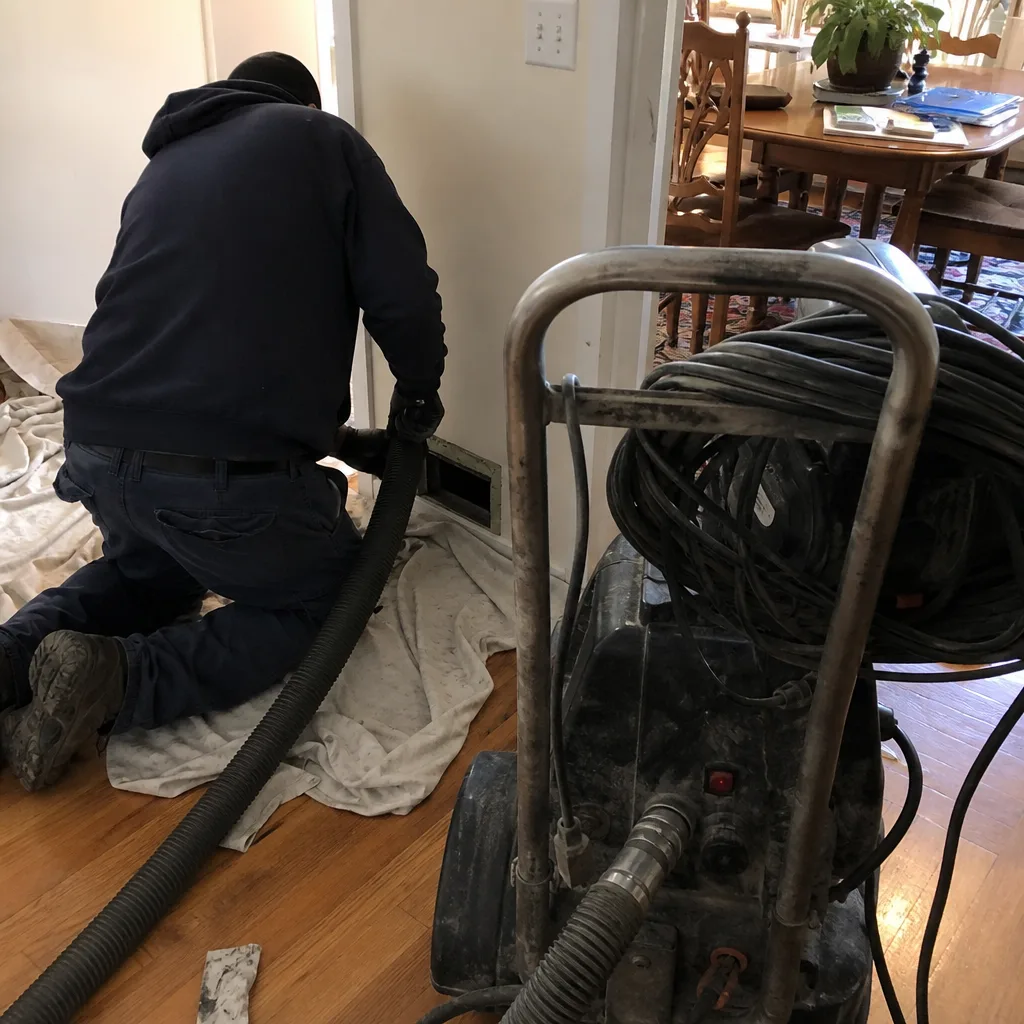 Before
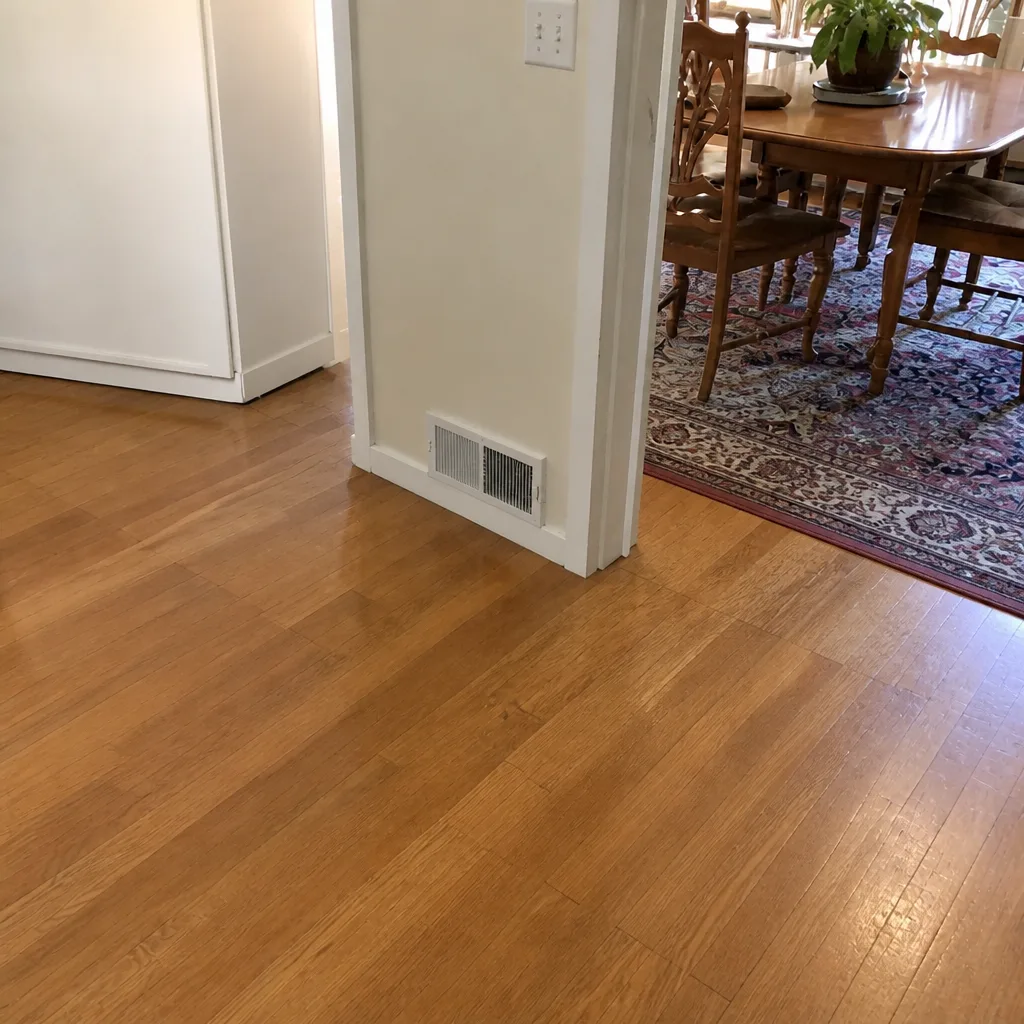 After
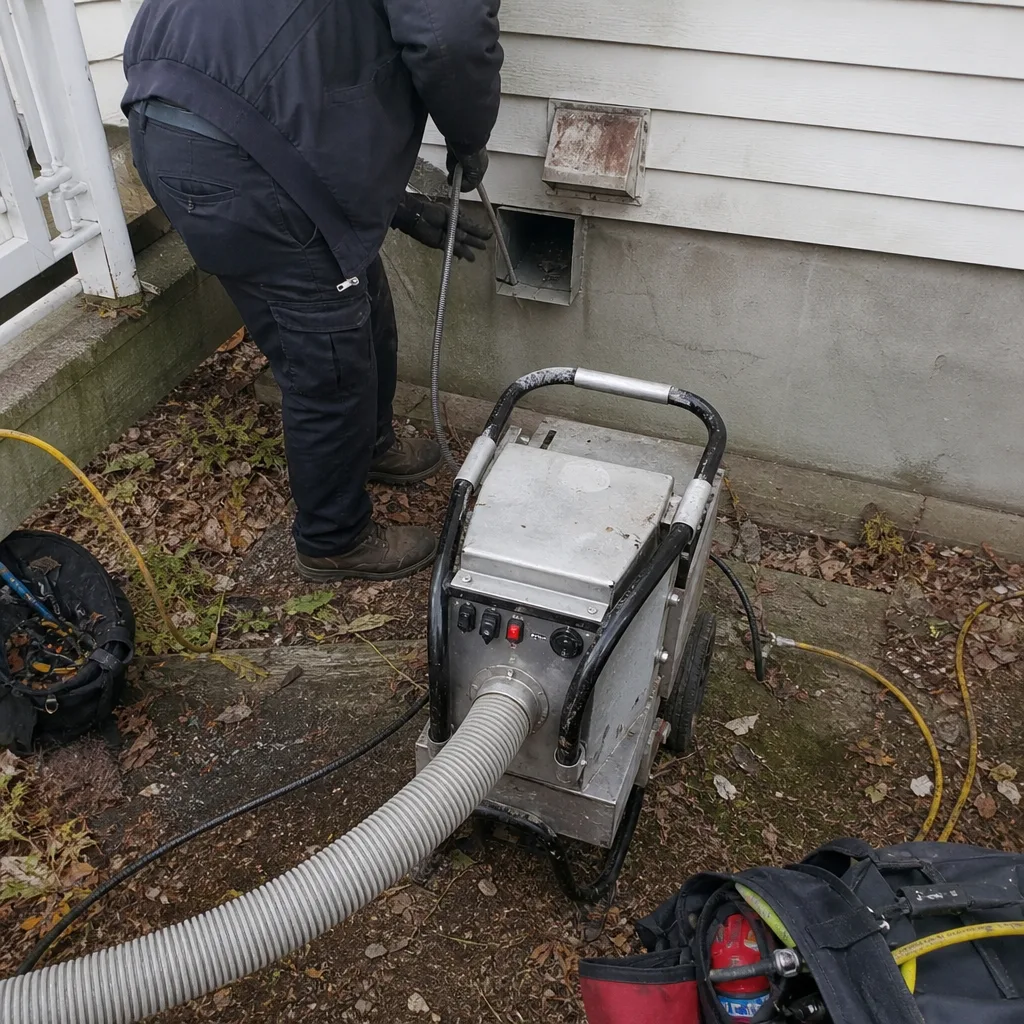 Before
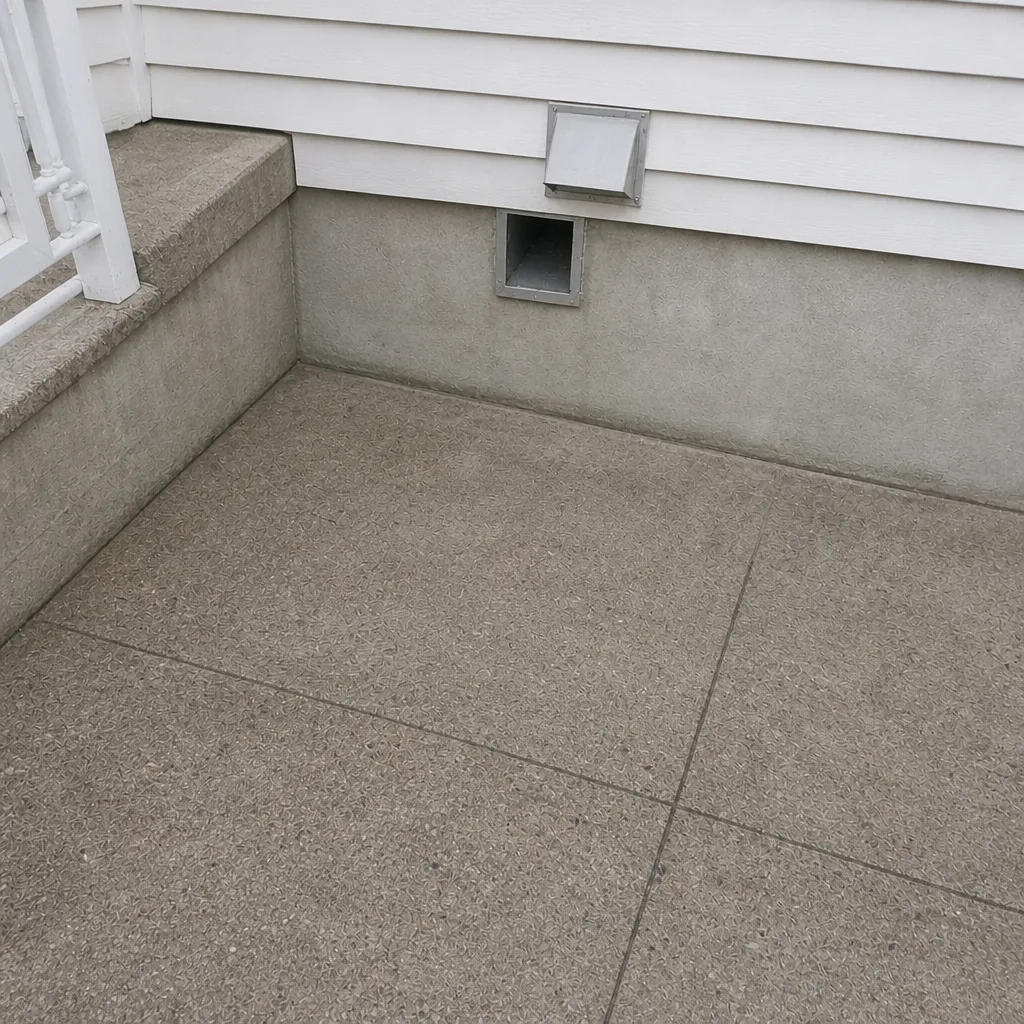 After
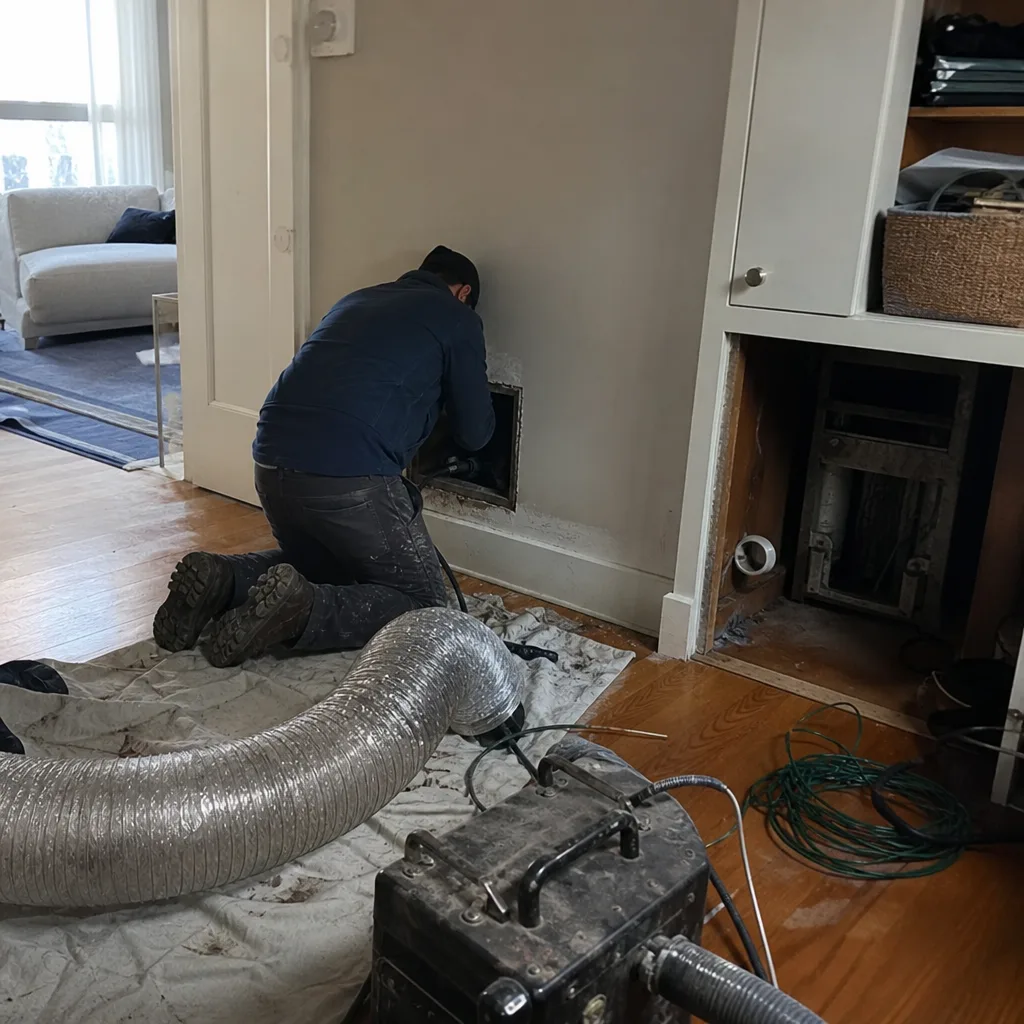 Before
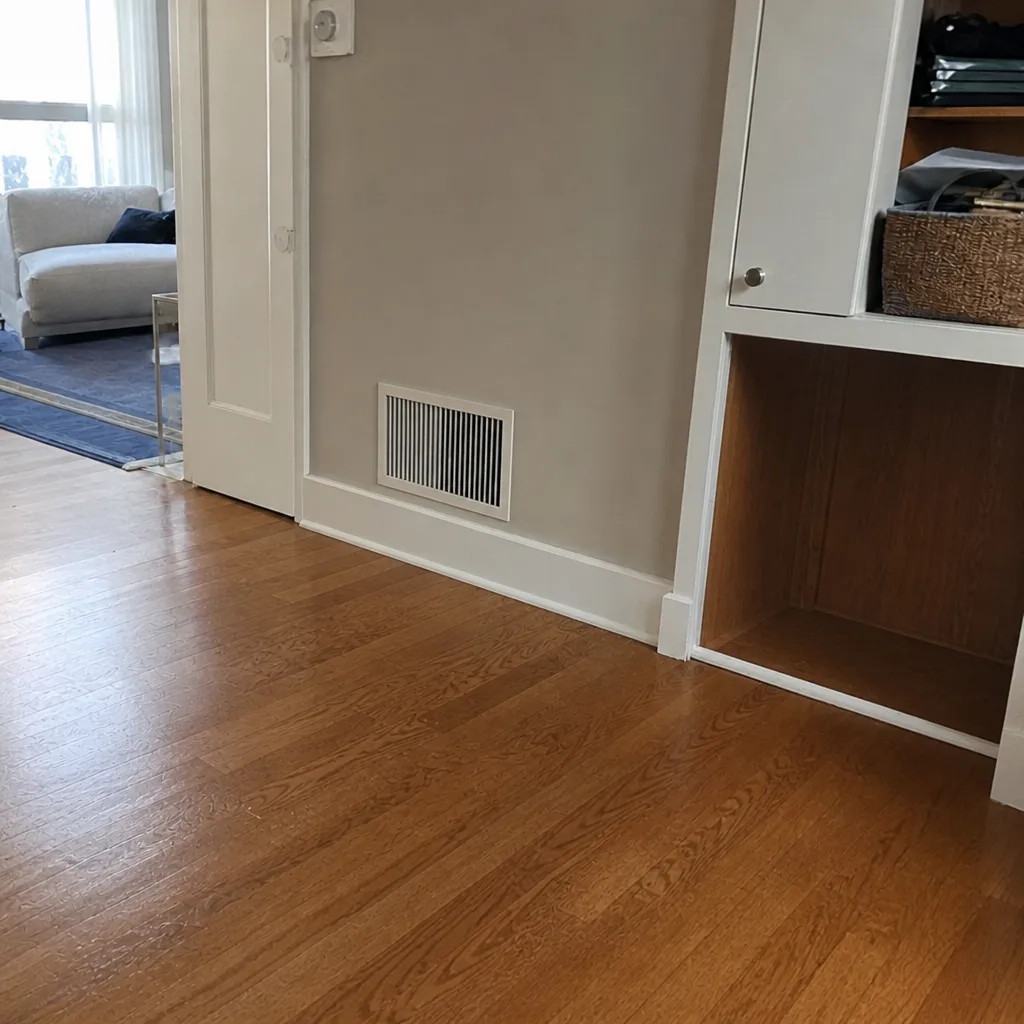 After
When to Call a Professional
Duct cleaning isn’t something you schedule on a calendar. It’s something you schedule when the house tells you it’s time. A recent renovation that kicked up dust, a new HVAC system that deserves a clean start, a dryer that suddenly takes two cycles, persistent allergy symptoms that spike indoors, visible dust at registers, or a heating season that started with a strange smell from the vents – all of these are reasonable triggers. So is a first-time walkthrough when you’ve moved into an older Quincy home and don’t know the duct history. Duct Cleaning Quincy offers free estimates in Quincy. Call (855) 632-0215. We answer 24/7. Fast dispatch from 7am to 7pm, Sunday through Friday.
Frequently Asked Questions
A proper residential setup pairs a rotary brush or contact agitation system with a HEPA-rated negative-pressure vacuum, ideally plus a HEPA air scrubber for post-cleaning air. One tool alone doesn’t clean a duct system fully; agitation without capture recirculates debris, and negative pressure without agitation leaves what’s bonded to the walls. Ask which machines the contractor uses and when they were last serviced. Call (855) 632-0215 for a process walkthrough, and estimates are free.
Look at the machines, not the website. A real setup shows a sealed HEPA vacuum connected to the trunk, a dedicated rotary brush head for the ducts, and a labeled filter housing the technician can point to. A shop vac has none of those. Ask about service dates on the HEPA filters and brush condition; a contractor who deflects is telling you the answer. If you’re unsure, call us and we’ll explain what to look for on site at (855) 632-0215.
A large share of Quincy’s housing stock is mid-century and older, and those homes often have smaller-diameter residential duct branches than newer construction. Narrower ducts are harder to clean with air-only methods because debris sits on the walls rather than floating free. A rotary brush that maintains continuous contact is more effective in those tighter runs. If you’ve had a poor cleaning experience in an older Quincy home, ask next time whether the contractor uses brush contact.
Often both. A disconnected duct, a crushed section, or a gap at a register boot undermines any cleaning because debris comes right back through the opening. A single inspection visit should tell you which you need. If the contractor can’t repair what the inspection finds, the cleaning will look good on the day and fail within a year. Call (855) 632-0215 to set up an inspection that answers both questions, and estimates are free.
Whole-system cleaning typically runs in the low-to-mid hundreds of dollars for a standard single-family home, and repair work adds separately based on what’s found. A proper job is priced per system in a written estimate agreed before work starts, not per vent. Be wary of any quote you can’t get in writing. Call (855) 632-0215 for a specific estimate on your home; it’s free.
Because the job being quoted isn’t the same job. Cheaper quotes usually skip the negative-pressure equipment, skip the air scrubber, skip the repair inspection, and skip the before-and-after photos. You pay once; the question is what you actually get. A written estimate per system from a company that can tell you its equipment lineup and service history is worth more than a low number over the phone. Call (855) 632-0215 to compare intelligently.
The Bottom Line
The brand names on a duct cleaning company’s website don’t tell you anything until you understand what those machines are for. Rotobrush systems agitate and capture with contact methods that work well in Quincy’s older, narrower residential ducts. Nikro negative-pressure equipment pulls the whole system into source removal so debris has one place to go. Abatement Technologies equipment adds HEPA air scrubbing for heavy-debris and remediation-adjacent jobs. The combination matters more than any one brand, and equipment condition matters as much as equipment choice. Ask the questions. Get the estimate in writing. Look at before-and-after photos of your own ducts. That’s how you separate a real process from a logo.
If you want a real answer on your specific duct system, call Duct Cleaning Quincy at (855) 632-0215 for a free estimate. We answer 24/7, with fast dispatch from 7am to 7pm, Sunday through Friday. One visit tells you whether your ducts need cleaning, repair, or both, and the estimate is written before any work starts.
Written by the team at Duct Cleaning Quincy.