
Last updated November 15, 2026
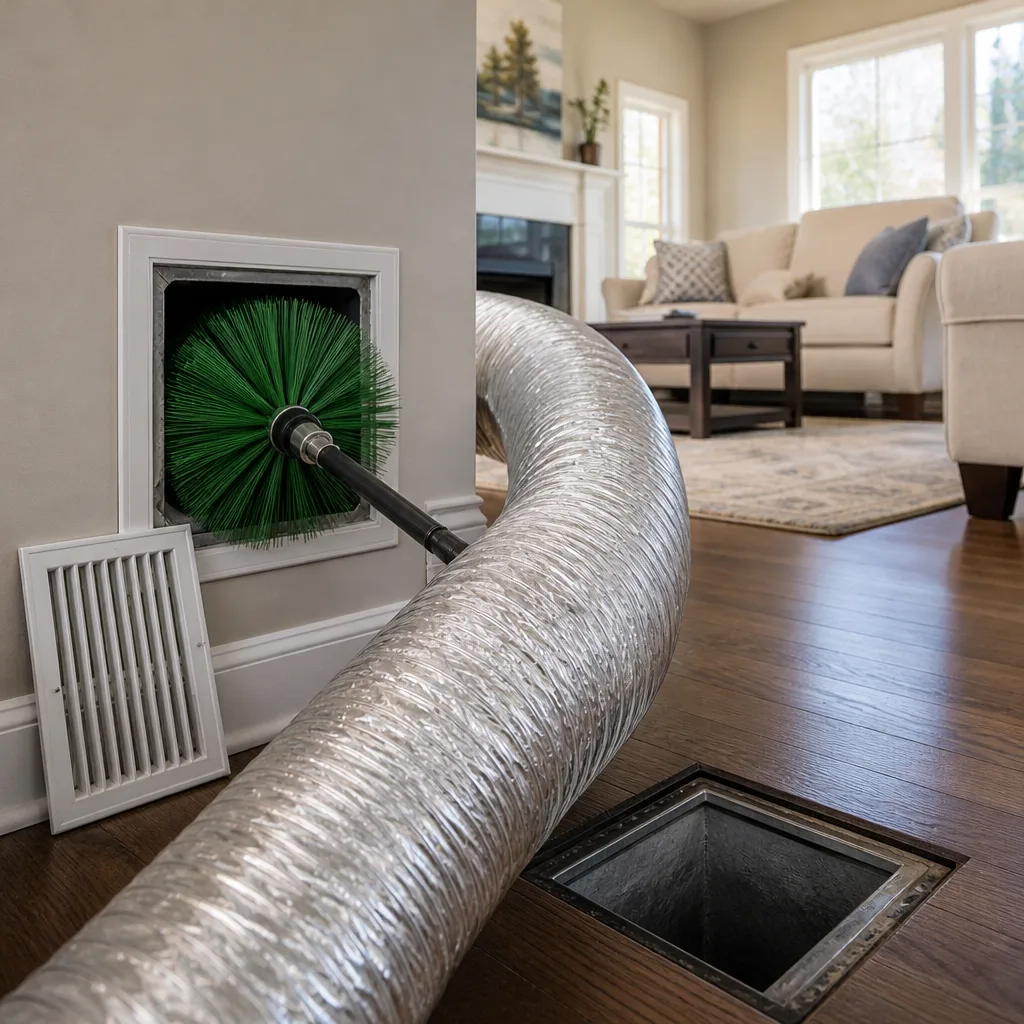 Whole-home duct cleaning
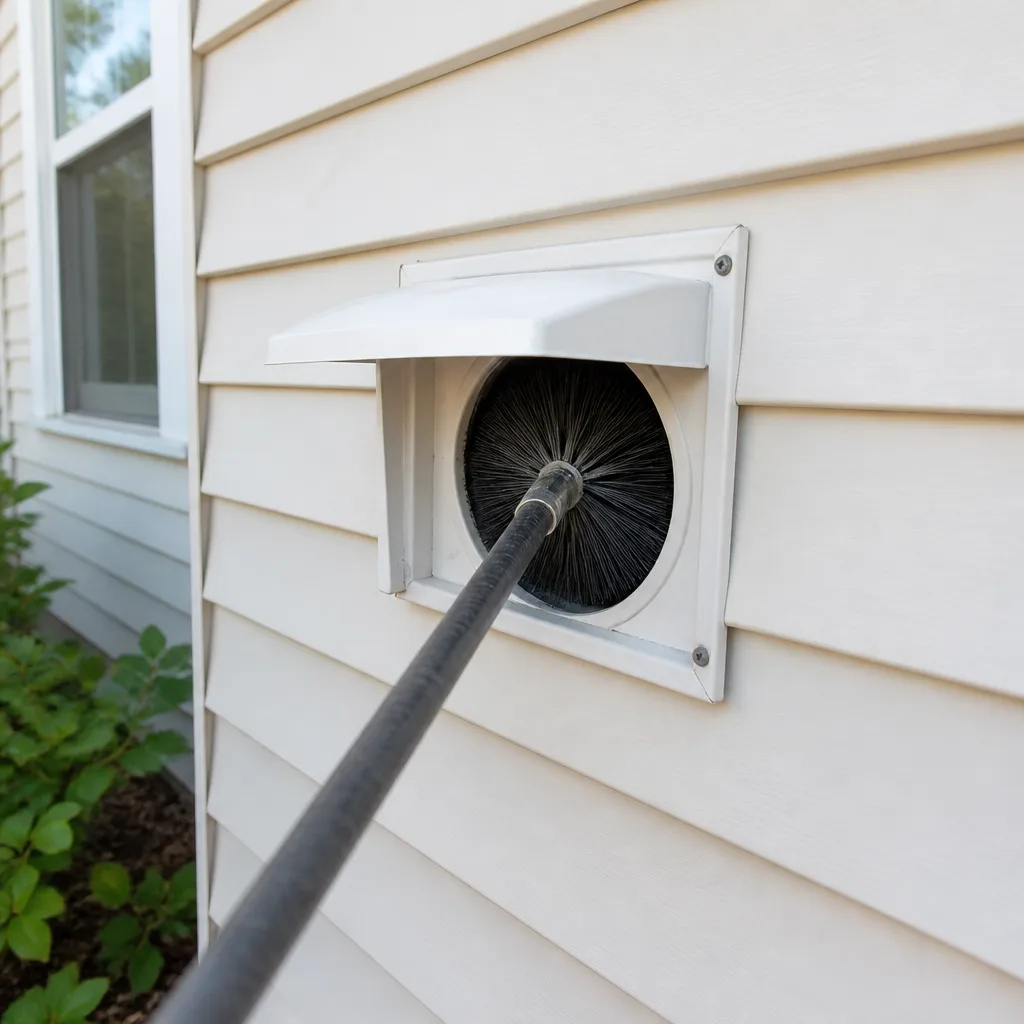 Dryer vent cleaning
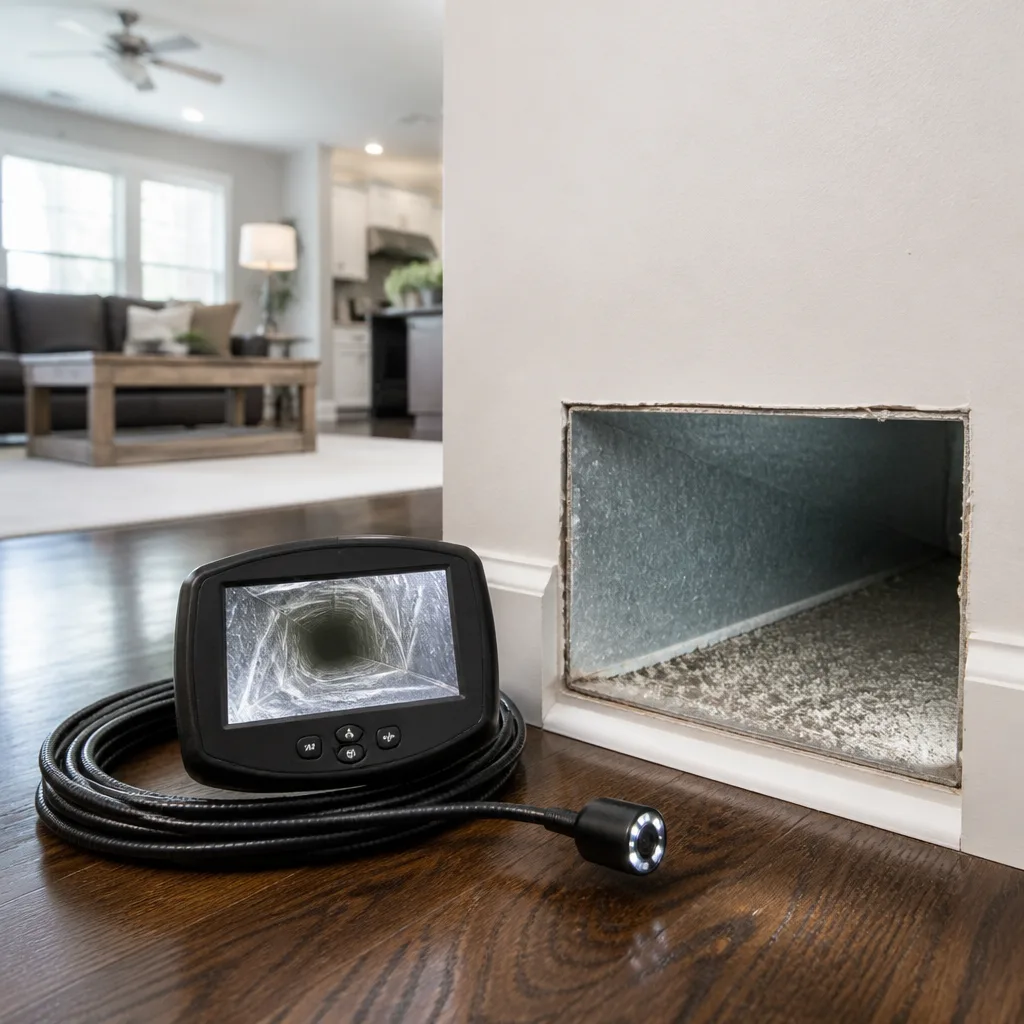 Camera inspection
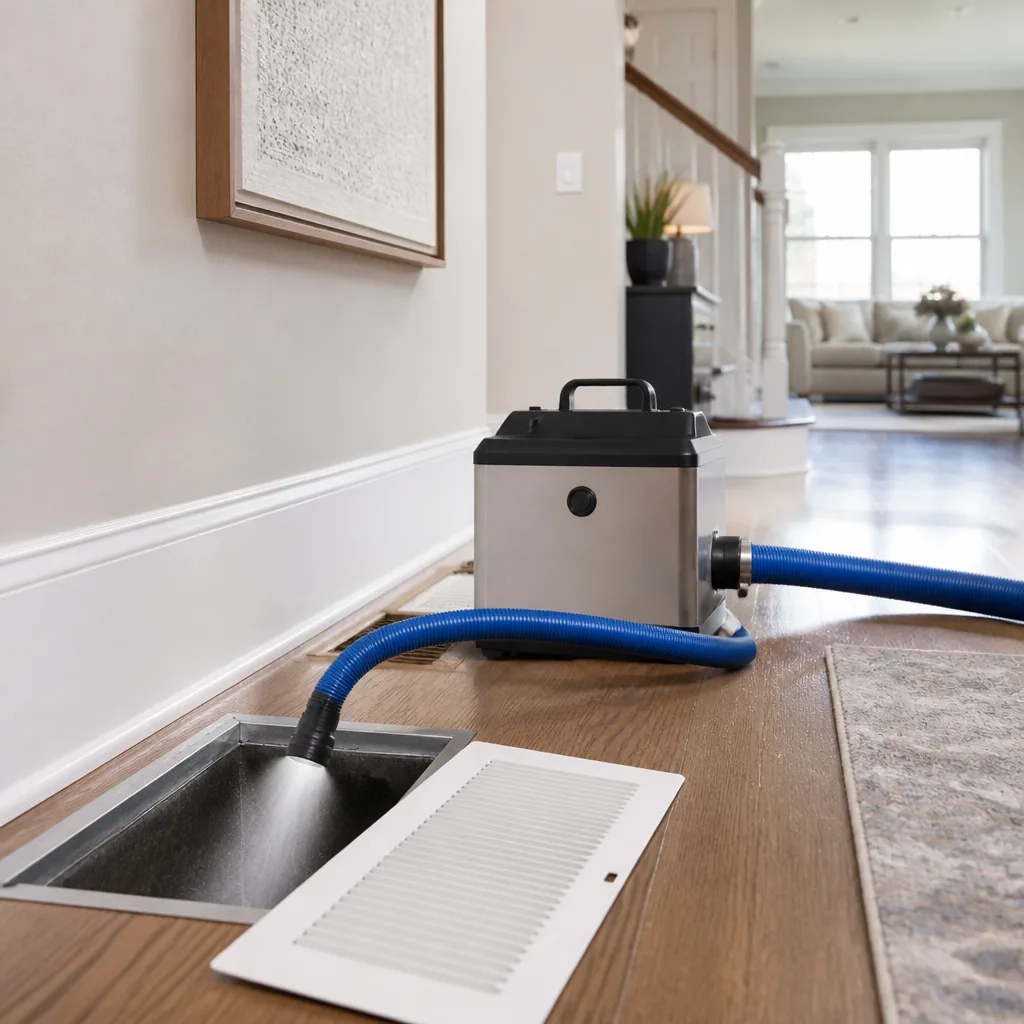 Sanitizing & deodorizing
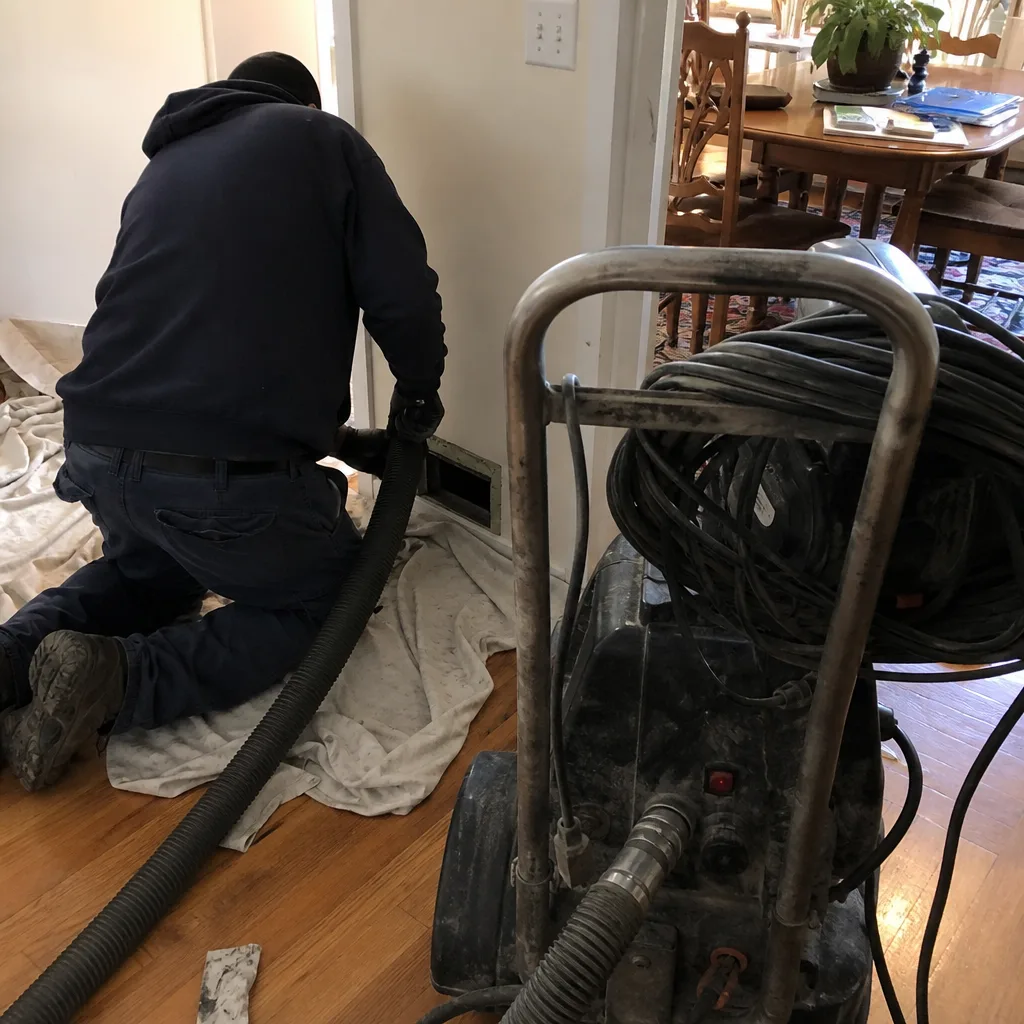
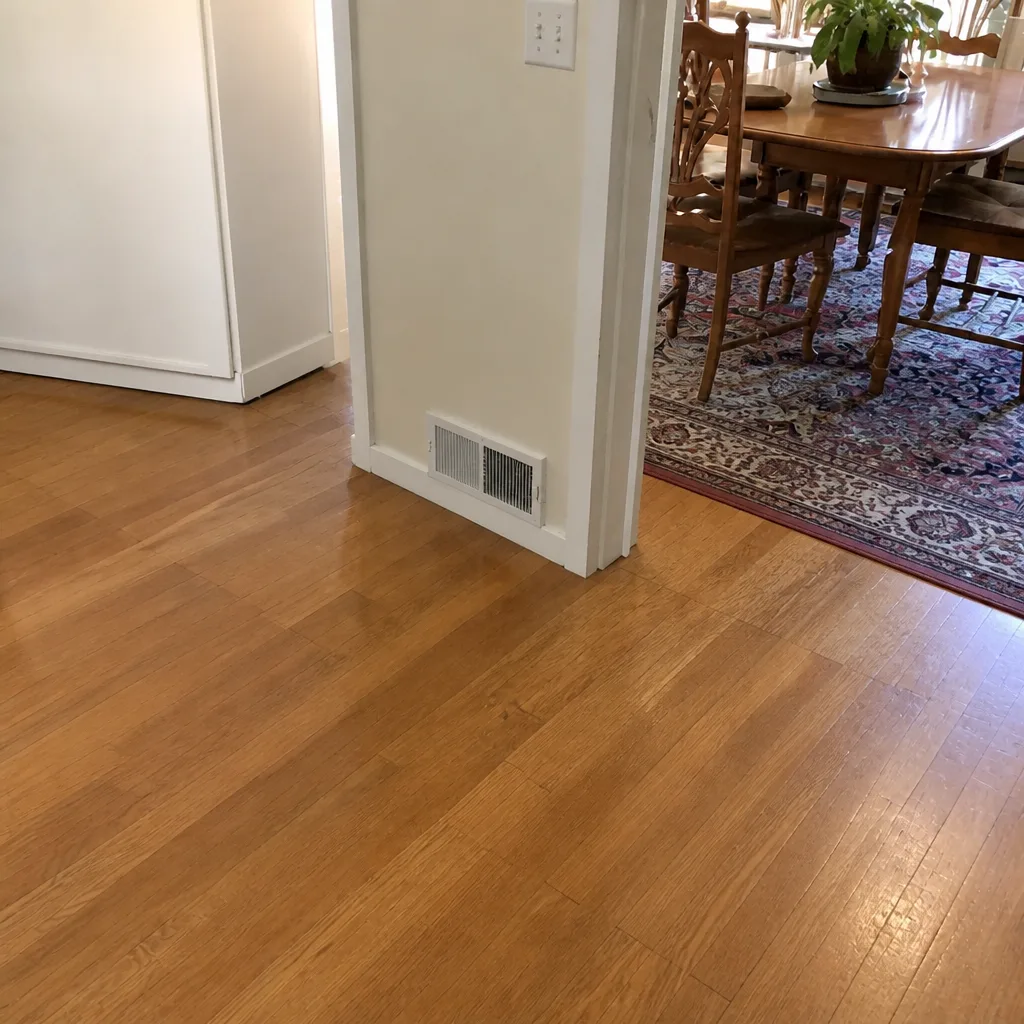
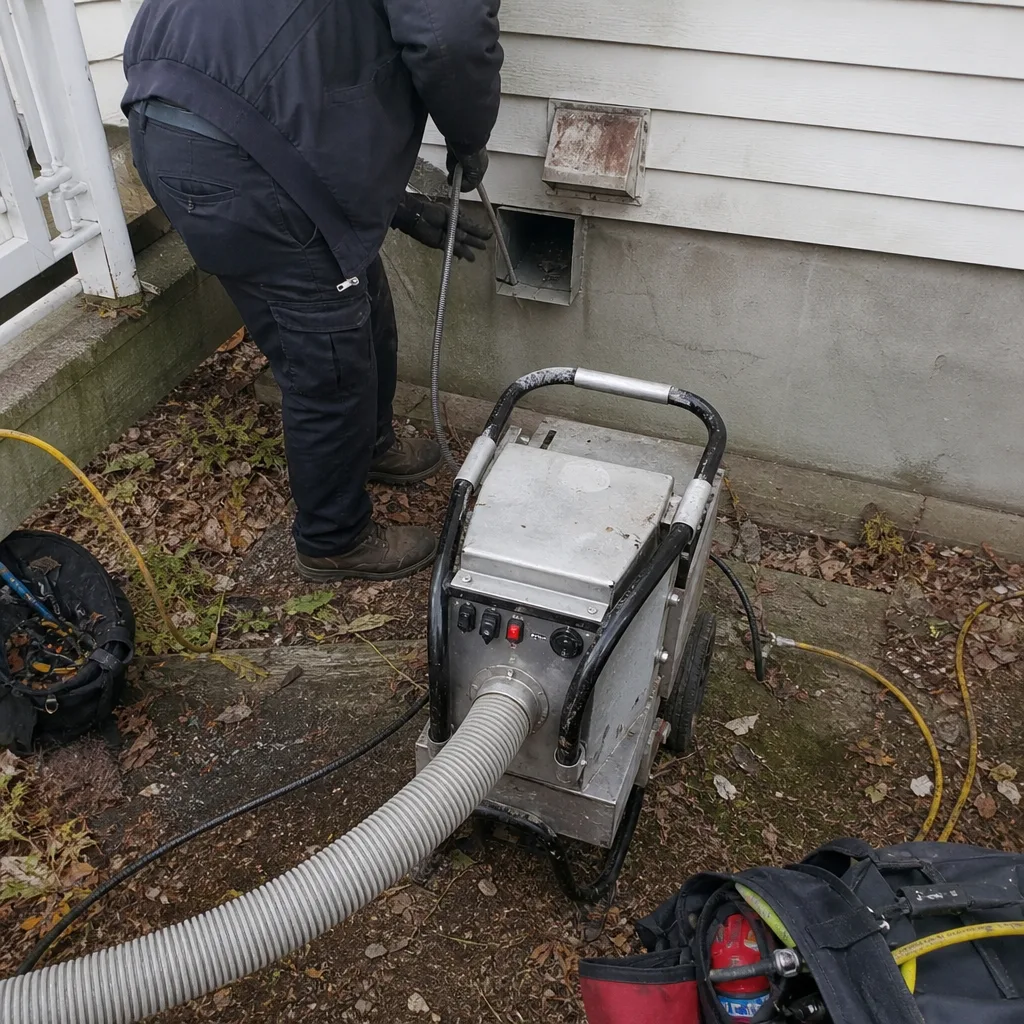
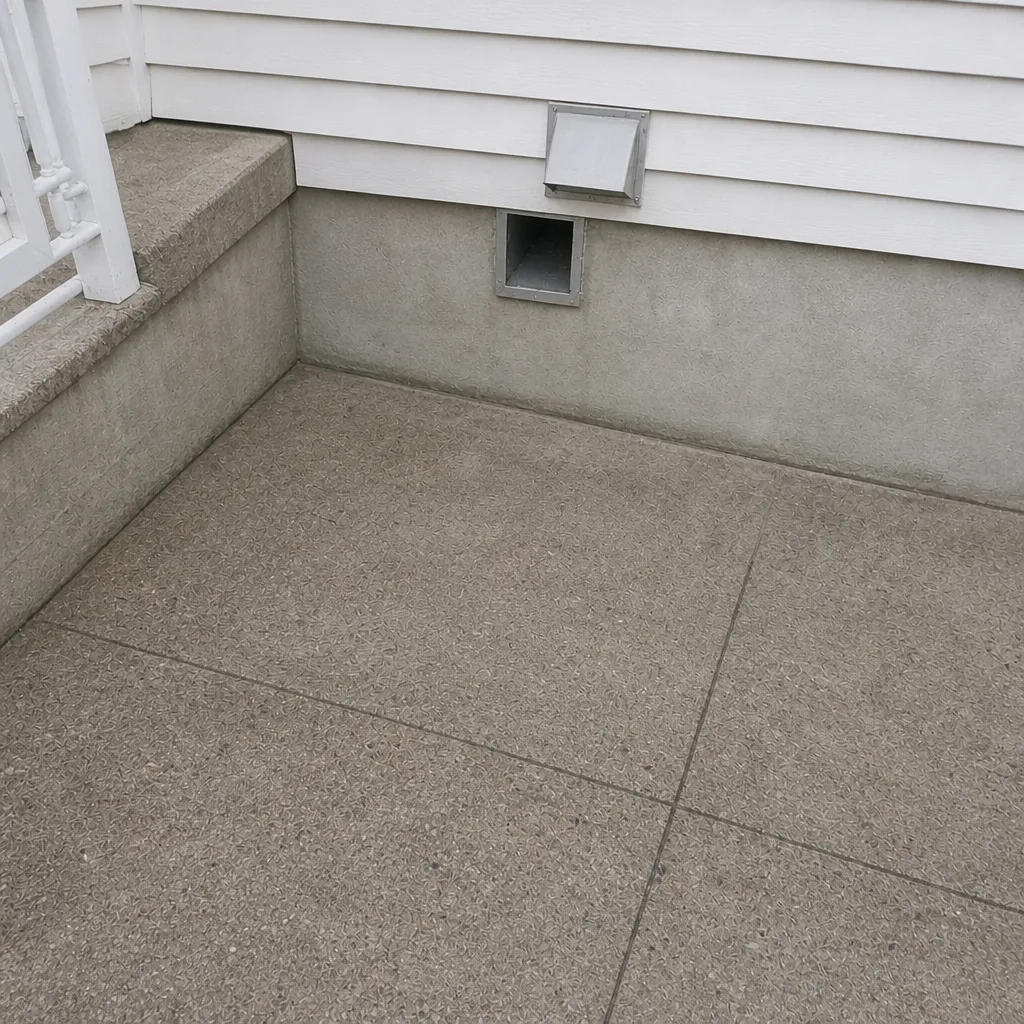
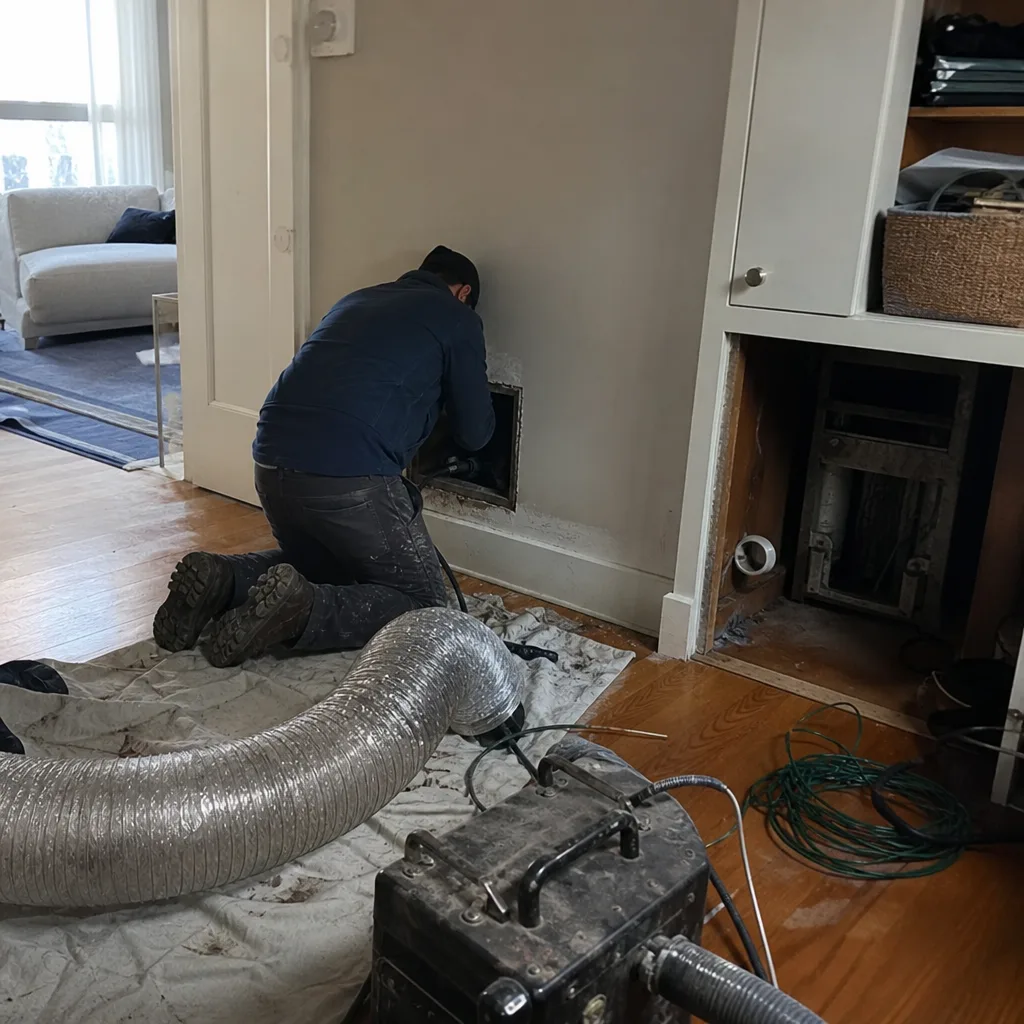
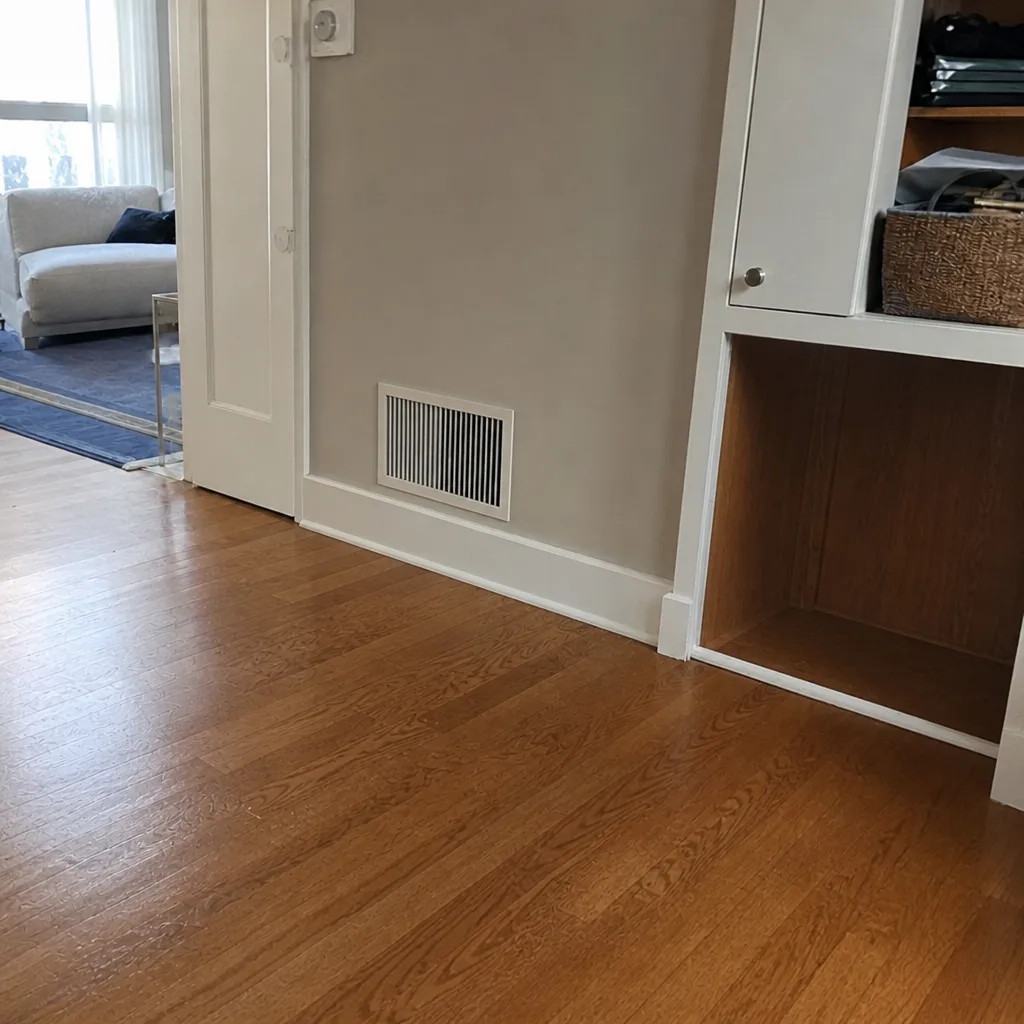
Whole-system duct and dryer vent check with before-and-after photos - you see exactly what came out of your vents
That "$99 whole-house special" is a bait ad - the real number appears once they are in your hallway, or the "clean" is a shop-vac at the register. We photograph the inside of your ducts before and after instead.
DIY vs Professional Air Duct Cleaning: The Quincy Homeowner’s Decision Guide
Most of the air duct cleaning advice online treats homeowner maintenance as either a scam or a full replacement for professional work. Neither is honest. The truth sits in the middle: there are real tasks you should do yourself, and there’s a specific line past which DIY stops working because the equipment doesn’t exist in a consumer version. A homeowner with a shop vac and a brush can meaningfully clean the first twelve inches of a supply register, which represents a small fraction of the duct surface area in a typical Quincy house. The rest needs negative pressure and mechanical agitation to reach. This guide draws that line clearly, without overstating either side, so you can decide what to take on and what to hand off.
Quick Answer
DIY air duct cleaning is worth doing for surface-level tasks: cleaning registers, washing return grilles, wiping the filter housing, and inspecting the dryer vent. It is not a substitute for professional cleaning of the duct runs themselves, because dislodging debris without a negative-pressure system redistributes it into your living space rather than removing it. In a Quincy home, call a professional when you see mold, pest debris, or heavy buildup after a renovation, or when airflow and allergy symptoms point to contamination deeper than the registers. Duct Cleaning Quincy offers free estimates across Quincy to help you decide which side of the line you’re on.
Styles & brands we work with
- Whole-home duct cleaning
- Dryer vent cleaning
- Camera inspection
- Sanitizing & deodorizing
Table of Contents
- What DIY Actually Accomplishes
- The Containment Problem With Consumer-Grade Kits
- What Professional Equipment Does That Yours Can’t
- When DIY Is the Right Call
- When DIY Is Actively Counterproductive
- How to Prep for a Professional Cleaning and Get More Value
- Airflow, Older Housing, and Quincy’s Climate
- Frequently Asked Questions
What DIY Actually Accomplishes
The homeowner willing to spend an afternoon with basic tools can do real good. The key is knowing which surfaces you’re cleaning and why. Registers and return grilles collect the bulk of visible dust, pet hair, and debris because they’re the first surface air hits on the way in and the last it passes on the way out. A vacuum and a damp cloth handle that well. The filter housing is another spot homeowners neglect; wiping it clean reduces the load on the filter itself and keeps fine dust from being pulled straight back into the return.
These are the DIY tasks genuinely worth your time:
- Cleaning supply and return registers and grilles. Remove the grille, vacuum both sides, wash plastic or metal grilles with mild soap and water, dry fully, and reinstall.
- Wiping the filter housing and blower access panel. A shop vac with a brush attachment handles the dust ring that builds up around the filter frame.
- Inspecting the dryer vent. Disconnect the vent behind the dryer, clear lint from the immediate duct run, and check the exterior flap for blockage. This is a fire-prevention task, not an indoor air quality upgrade.
- Returning register dampers to their intended positions. Homeowners often close registers to save energy and then forget; reopening them restores balanced airflow.
What these tasks won’t touch is the inside of the duct runs themselves, the trunk lines, or the plenum connections behind the walls. A register cleaning is a surface entry point, not a duct cleaning.
The Containment Problem With Consumer-Grade Kits
Consumer duct cleaning kits sold at hardware stores share one trait: they agitate debris without capturing it. A rotary brush attachment on a shop vac, a shop-vac-mounted “duct cleaning kit,” or a compressed-air whip dislodges dust and clumps from the duct walls. If the vacuum pulling on the other end of the system can’t generate meaningful negative pressure, that debris goes somewhere. It’s drawn back into the return, into the register, and back into the room.
This is the containment problem, and it’s why a $40 DIY kit can make allergies worse before it helps. A standard shop vac draws meaningful air only at its hose opening. Once the hose is inside a duct, that pull drops fast. The dust you just broke loose from the walls settles downstream, out of reach, and then gets pulled through the supply register the next time the system runs.
The professional approach is different in kind, not degree. A rotary brush (like the Rotobrush system) does the agitating, and a HEPA-rated vacuum (like Nikro equipment) does the capturing, with negative pressure maintained in the duct the whole time. The debris comes out of the system, not into the room.
What Professional Equipment Does That Yours Can’t
The technical gap between consumer tools and professional machines is the reason the DIY ceiling exists. Professional duct cleaning rigs draw from around two thousand cubic feet per minute of airflow through the duct while a rotary brush does mechanical agitation inside. That volume of moving air, held under negative pressure, is what carries dislodged debris out of the run and into the machine rather than into the next room.
What that equipment stack actually includes, and what each piece does:
- Rotary brush agitation. Rotobrush systems drive a spinning brush through the duct, mechanically scrubbing dust, lint, and biofilm off the walls. Air alone whips surface dust; it doesn’t scrub.
- HEPA-rated vacuum capture. Nikro HEPA units filter the exhaust so fine particles are trapped rather than exhausted back into the home.
- Negative-air containment. Abatement Technologies negative-air machines hold the system under pressure and prevent cross-contamination of the living space during the job.
- System inspection before and after. Cameras and airflow readings confirm what was cleaned and whether the duct system also has a structural problem: a disconnect, a crushed flex run, or a leak at a joint.
That last point is where most duct cleaning companies stop and where a repair capability matters. A duct system can look clean and still run badly because a joint has pulled apart behind a wall. Cleaning alone won’t fix that. Our technicians have up to 14 years of experience locating those problems, and one visit tells you whether your ducts need cleaning, repair, or both. If cleaning is what you decide on, the team at air duct cleaning walks through what the job includes before any work starts.
When DIY Is the Right Call
DIY is genuinely the right answer in more cases than duct cleaning companies like to admit. If your home is new, the drywall dust from construction is mostly settled at the registers and in the first few feet of duct. A homeowner cleaning the registers, wiping the filter housing, and swapping the filter twice in the first year handles most of it. If you had ducts professionally cleaned recently and use a quality filter, you don’t need a second professional pass soon.
The scenarios where DIY makes sense:
- New construction or recent renovation dust. Clean registers and filter housing thoroughly; change the filter more often for the first six months.
- Light-use homes with no pets, no smoke, and a well-maintained filter. Basic register upkeep and filter changes cover you.
- Recently professionally cleaned systems. Register cleaning between professional visits extends the interval.
- Dryer vent lint near the dryer connection. Pull the vent off the dryer, clear what’s reachable, and check the outside flap. If a vacuum can reach the full run, use it; if not, that’s a professional job.
Quincy has plenty of homes in this category. The point isn’t to avoid professional help; it’s to spend it where the contamination actually is.
When DIY Is Actively Counterproductive
Some situations get worse when a homeowner agitates the ducts. Visible mold growth inside a duct, pest debris (droppings, nests, dead rodents), or heavy debris from a renovation or a fire is all a stop sign. Disturbing that material with a shop vac creates airborne contamination, and if the underlying moisture problem isn’t fixed, mold returns regardless of how many times you clean.
The situations where you should stop and call:
- Visible mold on or inside ducts. The source is moisture, not the ducts, so cleaning alone won’t solve it. Negative-air containment and HEPA capture keep spores from spreading to the rest of the house while the problem is addressed.
- Pest activity or droppings inside the duct system. Pest debris is a serious contamination issue and needs professional containment and biocide-safe cleanup.
- Post-renovation debris beyond the registers. Drywall dust and construction debris have settled into the runs; a rotary brush and HEPA vacuum clear it, a shop vac pushes it around.
- Airflow that has dropped noticeably in one zone. That’s often a duct problem, not a cleaning problem: a crushed flex run, a disconnected joint, or an obstructed trunk. Cleaning is wasted money until the duct is repaired.
Quincy’s older housing stock makes that last point common. Duct runs in older homes have often been modified, extended, or patched together over time, and a joint can fail quietly. That’s the reason our service menu includes duct repair alongside cleaning; most companies don’t chase that problem down.
How to Prep for a Professional Cleaning and Get More Value
You can lower the billable time on a professional job with a few hours of legitimate prep. The cleaner the path to the registers and the more clearly you can describe the problems, the faster the job runs. This isn’t about doing the work yourself; it’s about not paying someone to move furniture and guess.
A practical prep list:
- Clear access to every register and return. Move furniture, rugs, and anything blocking the grilles so they can come off cleanly. Access blocked at one register costs time.
- Note the registers that seem weak. Write down which rooms have weak airflow, which registers are noisy, and whether the issue is worse in summer or winter. That’s a diagnostic gift.
- Log symptoms for the season. Note allergy flare-ups, musty smells when the system starts, or dust film returning faster than usual on furniture.
- Note recent work. Recent renovation, HVAC replacement, pest treatment, or a dryer that’s taking longer to dry clothes are all relevant context.
- Locate the air handler and filter. Point out where the system filter is and whether you’ve changed it recently, so the technician doesn’t have to hunt.
If you’re already planning the call, duct cleaning Quincy lays out the service scope before you book. If your dryer is part of the concern, dryer vent cleaning is a separate service that addresses the vent line the whole way out of the house, not just at the surface.
Airflow, Older Housing, and Quincy’s Climate
Quincy’s housing stock and climate both affect how much work a duct system accumulates. Much of the city’s housing was built before modern duct sizing standards, and systems have been added to, extended, and sometimes rerouted. That’s not unusual, but it means duct runs vary widely from house to house. In our experience, older Quincy homes more often turn up crushed flex runs, disconnected joints at the ends of runs, and return sizing that doesn’t match the supply side, than modern tracts do.
The climate does its part too. Quincy’s cold winters mean the heating system runs for months with a steady air pull through every return. A cold season of continuous use settles fine dust along return runs and the filter housing, and spring pollen on the intake side adds to the load. A home with pets and forced-hot-air heat in Quincy is cleaning registers and filters more often than a home without.
The practical takeaway: assume registers and filters deserve twice a year, and let the visual state of the return trunk (not the register) tell you whether a professional cleaning is due. If you can see a dust film rebuilding on the return grille a few weeks after cleaning it, the ducts are likely loading it.
Common Mistakes to Avoid
- Using a shop vac on a duct run without containment. The dust you dislodge goes into the room. Do the registers, not the runs, unless you have real capture at the end of the hose.
- Assuming a cheap coupon covers what you think it does. A very low advertised price often covers registers and the plenum only, not the full duct runs. Ask what’s included, in writing, before work starts.
- Clogging the dryer vent and treating it as an air quality issue. A dryer that takes two cycles to dry clothes is a fire risk, not an IAQ annoyance. Clear the full vent run, not just the connection behind the dryer.
- Skipping the filter housing and filter change after cleaning. A clean duct with a dirty filter recontaminates fast. Change the filter at the same time, not later.
- Treating a dust problem as a duct problem when it’s a system problem. If a room gets weak airflow, the duct may be disconnected or obstructed. Cleaning won’t fix it; repair will.
- Ignoring visible moisture near the air handler or returns. Clean ducts don’t stay clean with a moisture source feeding them. Find the source before scheduling a cleaning.
- Booking a cleaning without knowing what’s under the surface. A camera inspection or a technician’s assessment often reveals a repair that outperforms a cleaning. One visit can tell you which.
When to Call a Professional
Call a professional if you see visible mold inside a duct or around a supply register, if pest debris or a musty smell has appeared when the system starts, if you had recent renovation work beyond light dust, or if a room’s airflow has dropped noticeably. Also call if it’s been several years since a cleaning and the return trunk is visibly coated. Duct Cleaning Quincy offers free estimates in Quincy for these situations, and that estimate includes a look at whether the ducts also need repair, not just cleaning.
We use equipment from Rotobrush and Nikro for agitation and HEPA capture, and Abatement Technologies negative-air machines for containment, the same class of tools commercial remediation crews use. If any of the situations above sound familiar, call (855) 632-0215. We answer 24/7. Fast dispatch from 7am to 7pm, Sunday through Friday.
Frequently Asked Questions
No. A shop vac can clean registers, grilles, and the filter housing well, but it can’t hold negative pressure through a duct run or agitate dust off the walls the way a rotary brush system does. Consumer kits dislodge debris without capturing it, which often redistributes particles into the living space. Call (855) 632-0215 for a free estimate in Quincy if you’re unsure which side of the line you’re on.
Professional cleaning is priced per system, not per vent, because the work involved depends on the layout of the duct system. A written estimate sets the final price before work starts. Cheap advertised prices are often limited to registers or the plenum, so ask what’s included in the quote. Call (855) 632-0215 for an exact estimate, which is free.
Because they’re often for a different scope of work: registers only, or a surface pass without rotary agitation or HEPA capture. The equipment stack matters, and so does whether the duct system is inspected for problems that cleaning can’t fix. A low number that becomes a larger invoice once the technician arrives is the reputation problem in this trade. Our flat price per system is agreed before work starts, and you get before-and-after photos of your own ducts.
For most Quincy homes, cleaning is worth considering every few years at most, and some homes go much longer between cleanings. Register and filter maintenance matters more often than duct runs. High-pet, high-allergen, or recently renovated homes move that interval up. If you can see dust rebuilding on the return grille weeks after cleaning it, the ducts are likely the source.
Only for register cleaning. A brush attachment for grilles and a shop vac for the filter housing cover the useful DIY tasks. Kits that promise to clean the runs themselves without containment equipment dislodge debris more than they remove it. Skip those.
Stop and call a professional. Agitating mold or pest material with a shop vac can spread spores or contaminants through the home. Professional cleaning uses negative-air containment and HEPA capture to remove the material safely. Call (855) 632-0215 for a free assessment; Duct Cleaning Quincy covers containment for these jobs.
The Bottom Line
DIY is worth doing for what it actually reaches: registers, grilles, filter housing, and the reachable part of the dryer vent. It’s not a substitute for cleaning the duct runs, because dislodging debris without real capture moves it into the room. In a Quincy home, call a professional when you see mold, pest debris, heavy post-renovation dust, or a sudden drop in airflow. Do the prep work that shortens a professional visit, and skip the surface kits that promise more than they deliver. One honest assessment tells you whether your ducts need cleaning, repair, or neither.
The team at Duct Cleaning Quincy works with equipment from Rotobrush, Nikro, and Abatement Technologies, and works with Honeywell and Aprilaire air quality products when a job calls for them. Call (855) 632-0215 for a free estimate. We answer 24/7. Fast dispatch from 7am to 7pm, Sunday through Friday.
Written by the team at Duct Cleaning Quincy.
See the difference
 Before
 After
 Before
 After
 Before
 After