
Last updated November 15, 2026
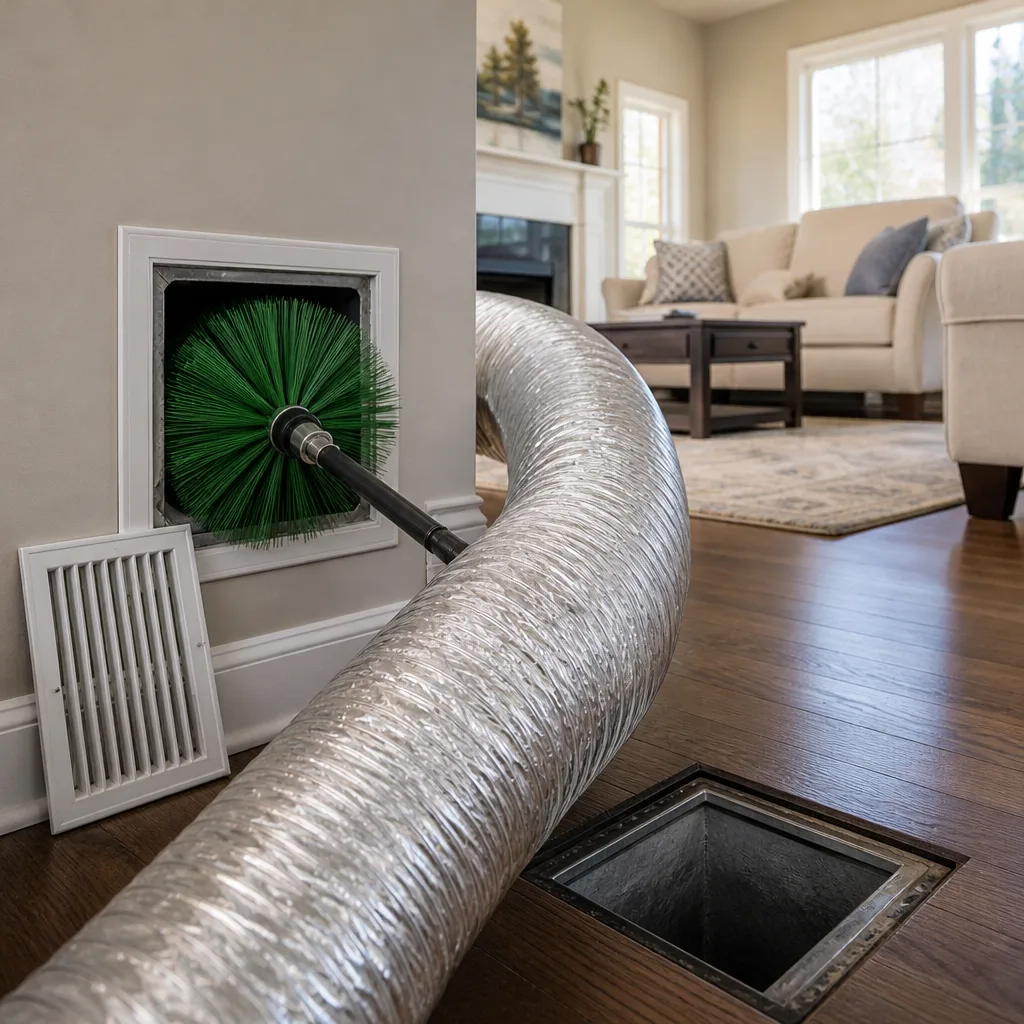 Whole-home duct cleaning
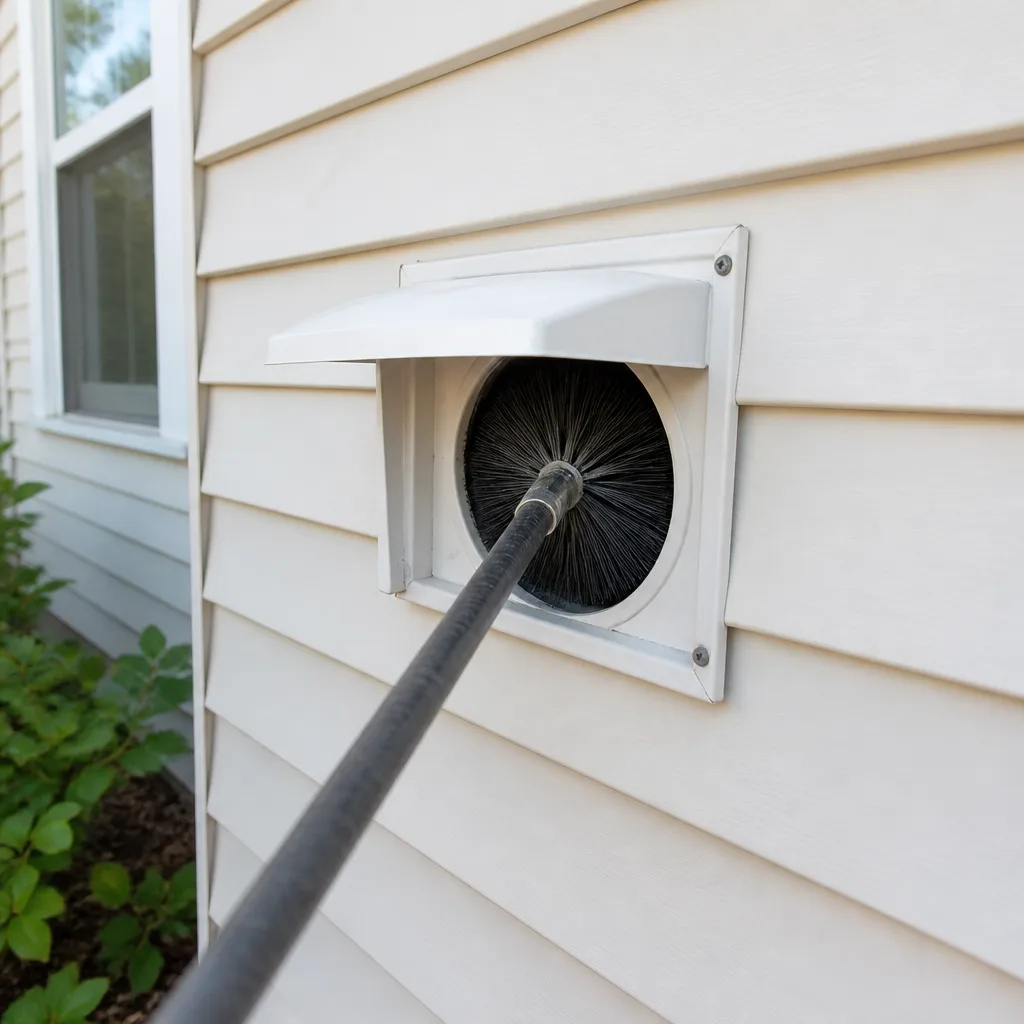 Dryer vent cleaning
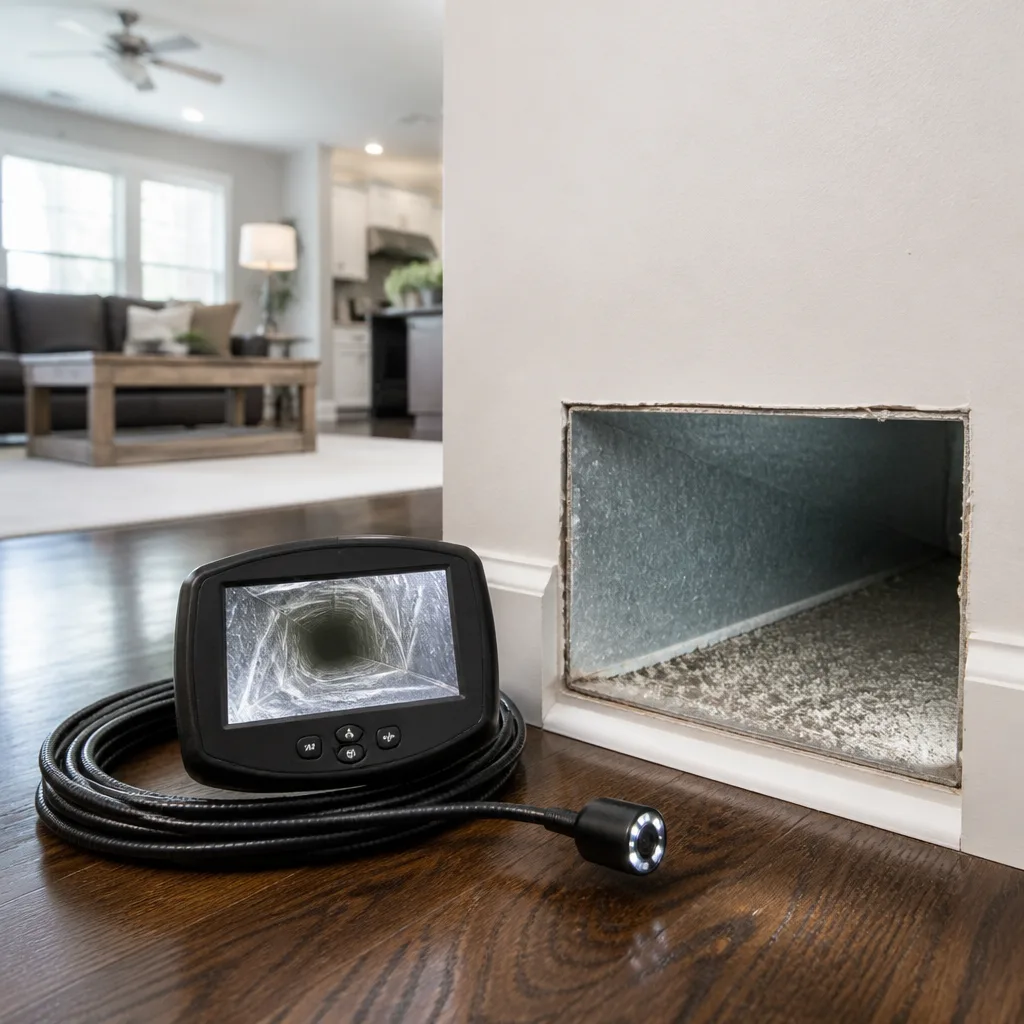 Camera inspection
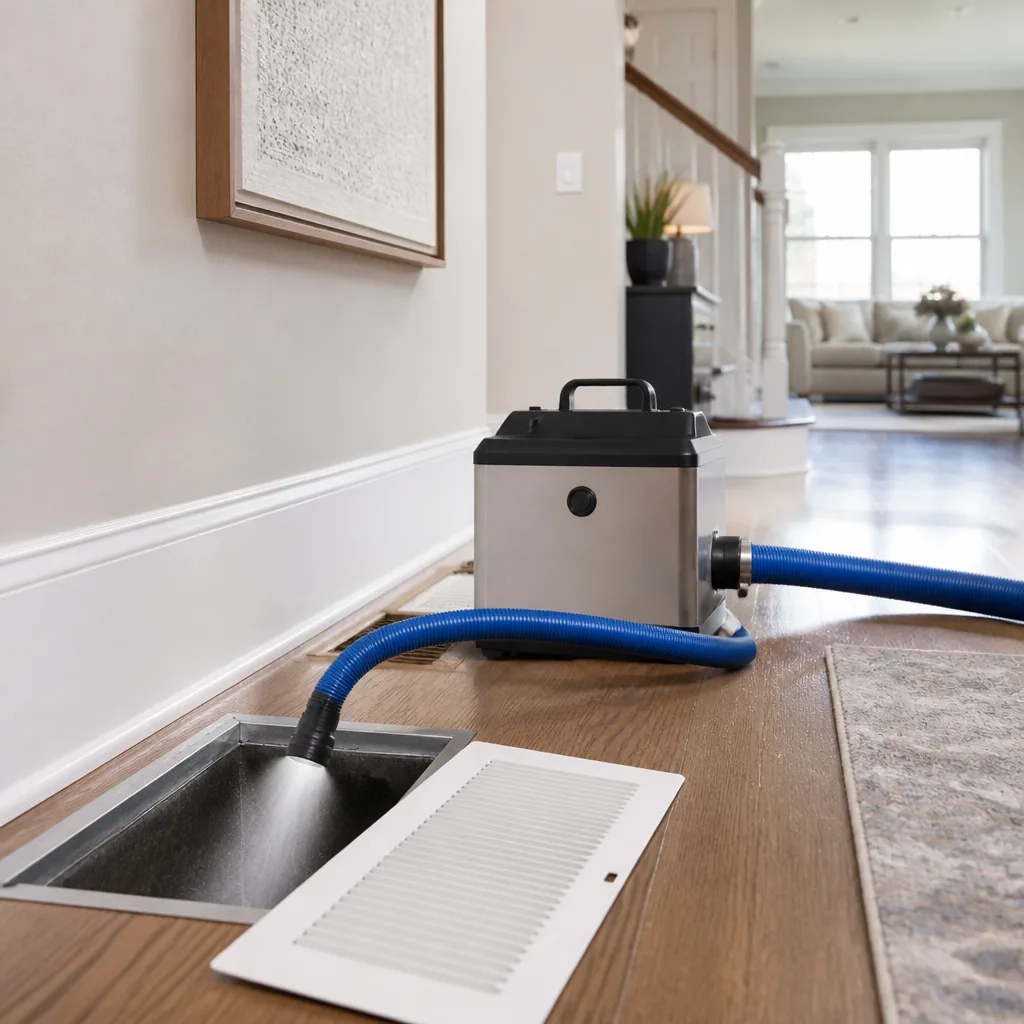 Sanitizing & deodorizing
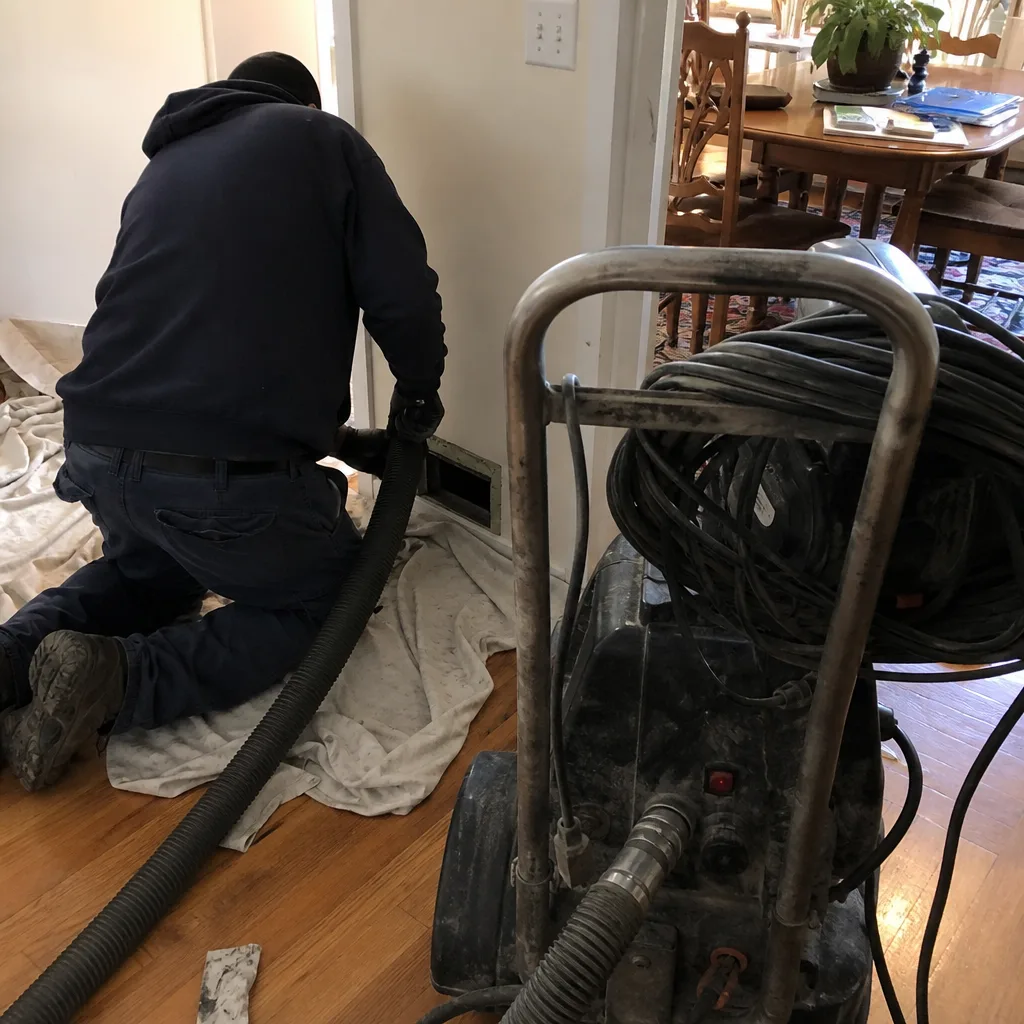
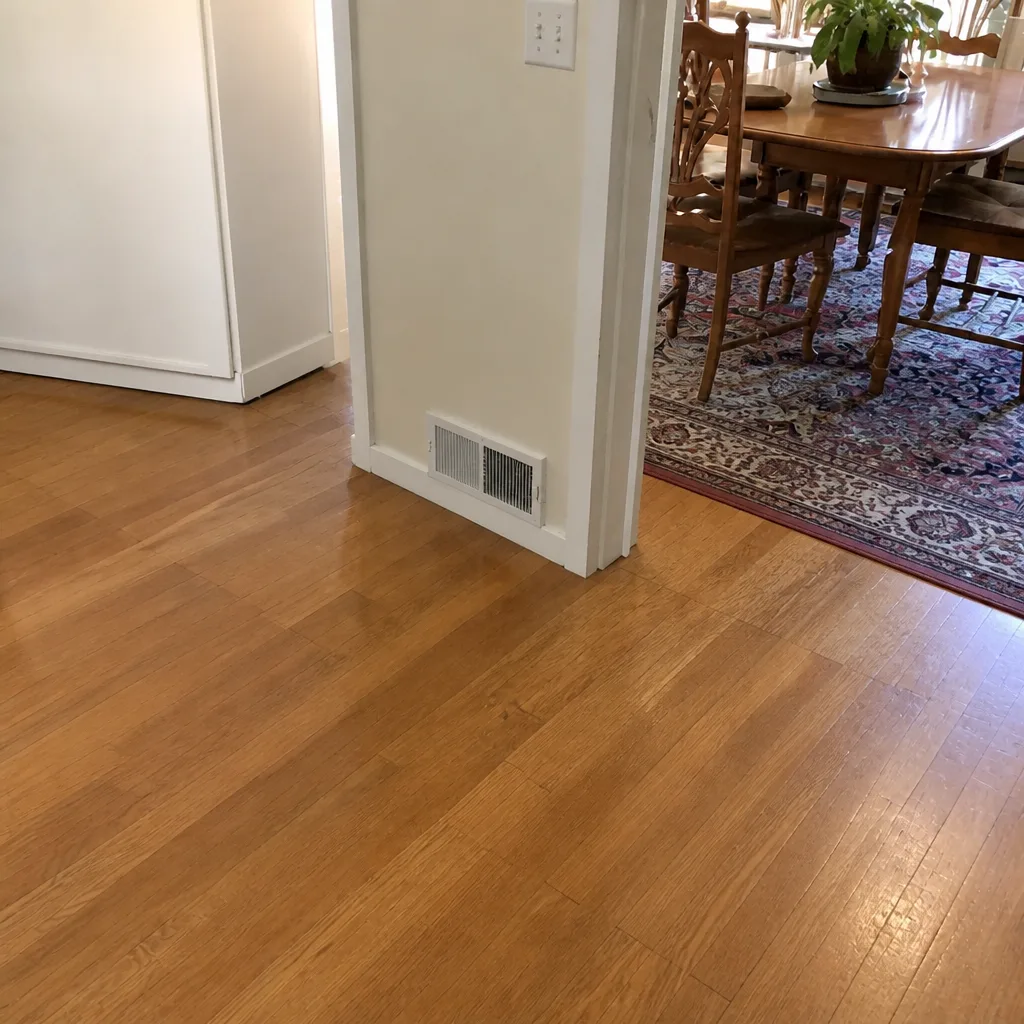
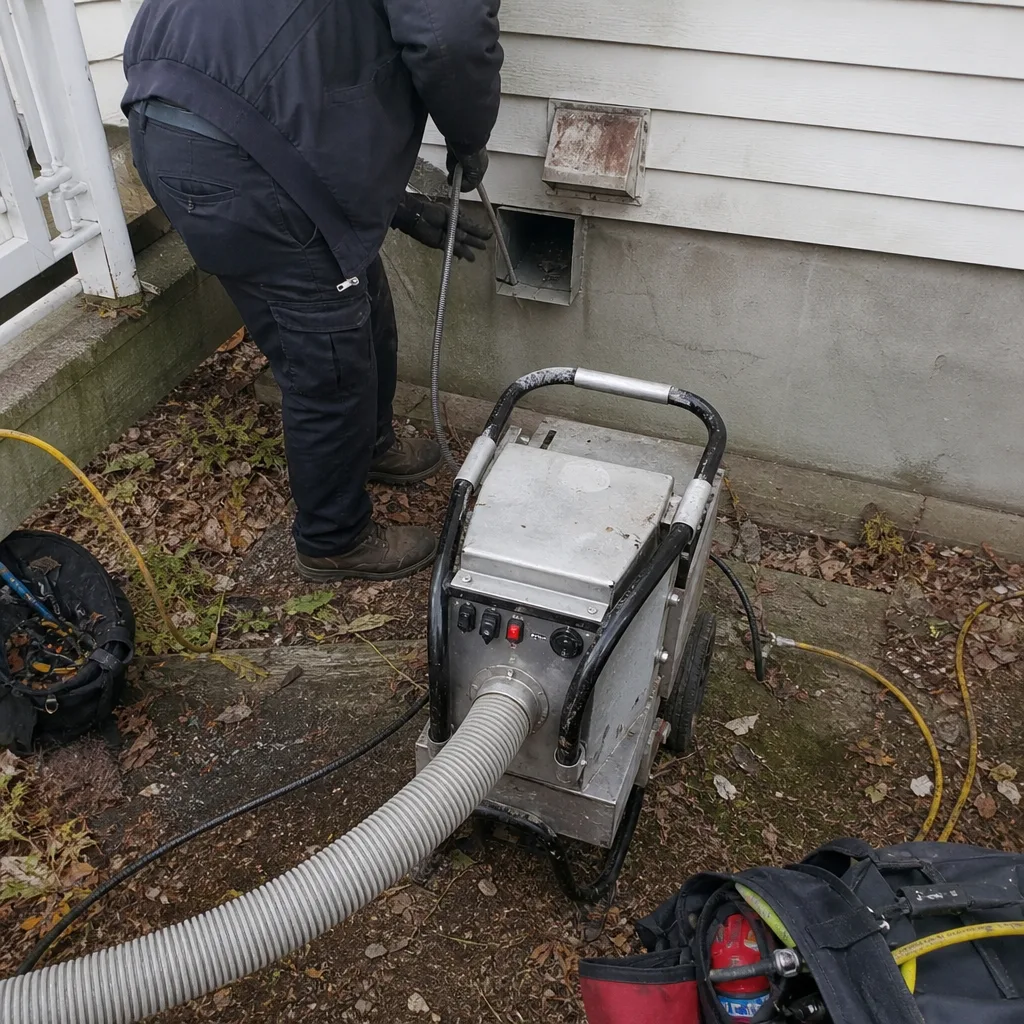
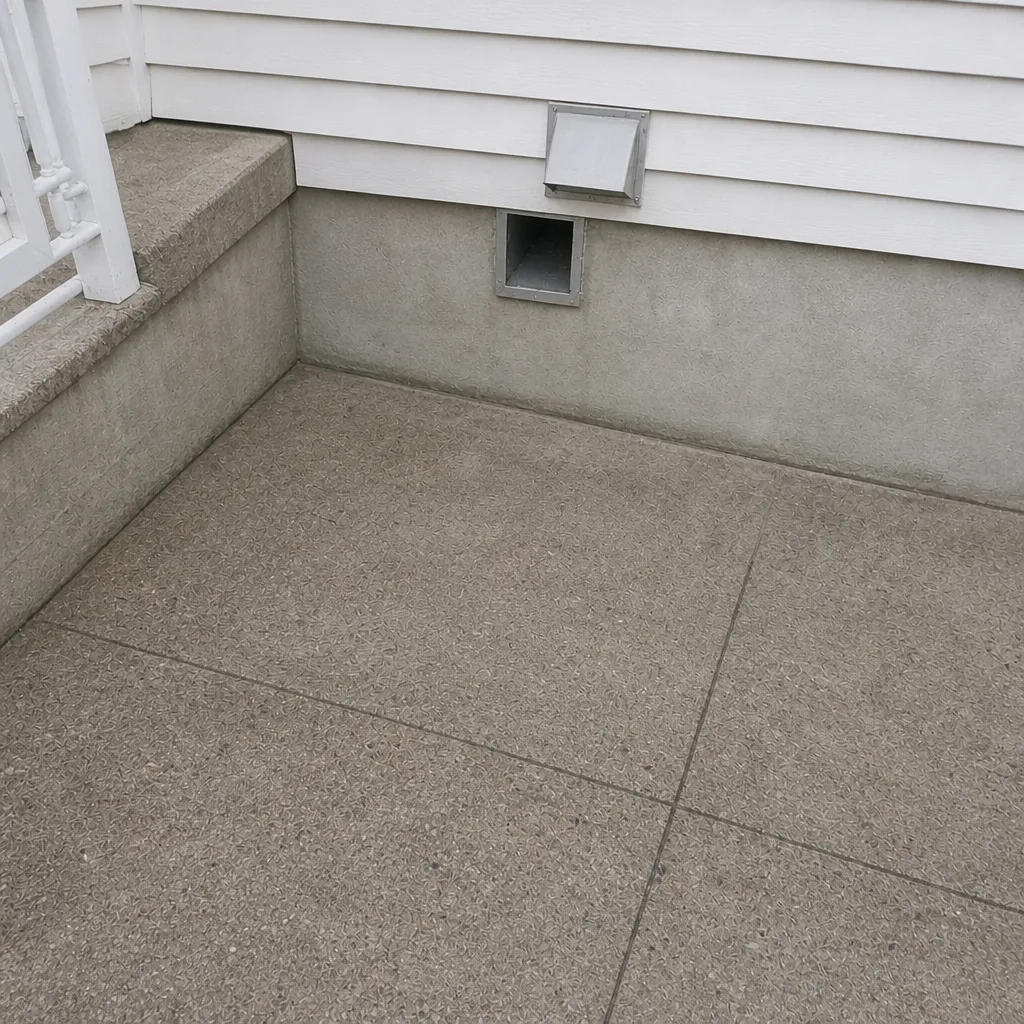
Whole-system duct and dryer vent check with before-and-after photos - you see exactly what came out of your vents
That "$99 whole-house special" is a bait ad - the real number appears once they are in your hallway, or the "clean" is a shop-vac at the register. We photograph the inside of your ducts before and after instead.
Air Duct Cleaning Emergency Preparedness Guide for Quincy Homes
After a kitchen fire, smoke and soot travel the entire duct system within minutes. That means every supply register and every return in the house has been exposed, not just the rooms with visible damage. Most insurance adjusters don’t flag this automatically, and most homeowners don’t know to ask. This guide walks through the duct system’s role in three emergencies that actually happen in Quincy homes: fire, flooding, and pest infestation. You’ll learn the order of response, what to document before anyone touches the system, what a proper remediation protocol looks like, and how to talk to an adjuster. We’ll also show you how to vet a contractor before they arrive, so nobody gets talked into a surface-level job dressed up as full remediation.
Quick Answer
When fire, water, or pest contamination hits a duct system, the immediate steps are: shut the HVAC system off at the thermostat and breaker, photograph everything before cleaning begins, get a written contractor assessment of the full duct system (not just visible rooms), and file that assessment with your insurer before any work starts. Contaminated ductwork can redistribute smoke residue, moisture, or rodent debris into every room in the house, so the response order matters as much as the cleanup itself. In Quincy, an emergency duct response should always pair full extraction with a repair capability, since emergencies tend to open gaps, disconnect joints, and damage flex runs at the same time.
Styles & brands we work with
- Whole-home duct cleaning
- Dryer vent cleaning
- Camera inspection
- Sanitizing & deodorizing
Table of Contents
- What’s the step-by-step duct protocol after a house fire?
- Post-flood duct assessment for Quincy homes
- Pest infestation and rodent contamination protocols
- How to document duct damage for an insurance claim
- Why emergency duct work needs clean-and-repair in one visit
- Questions to ask before anyone arrives
- Common mistakes to avoid
- When to call a professional
What’s the step-by-step duct protocol after a house fire?
Fire is the emergency where duct contamination is most often missed. Soot particles are fine enough to ride the airstream through every branch of the system. From the moment of combustion, the blower, if it runs, moves that material through the returns and out every supply register in minutes. Shutting the system down quickly limits the spread but doesn’t undo what’s already traveled.
Here’s the order of response that keeps the job clean and the claim defensible:
- Stop the system. Turn off the thermostat and the furnace or air handler at the breaker panel. Don’t run the fan to “air out” the house – that pushes soot deeper into the duct branches and into soft furnishings.
- Document before cleanup. Photograph every register, every return grille, and the inside of the main trunk if the fire department or restoration crew exposes it. Smoke residue on the coil and in the plenum is common evidence for a full-system claim.
- Get a written contractor assessment. This is a document, not a phone call. It should list each duct component inspected, the condition found, and the recommended cleaning and repair scope.
- Notify the adjuster early. Send the assessment and photos before any cleaning begins. Once the ducts are clean, the visible evidence is gone, and denied claims often trace to that gap.
- Coordinate with the restoration crew. Fire restoration usually involves structural demo, ozone or hydroxyl treatment, and content cleaning. The duct work should happen after demolition dust settles and before the rebuilt space is handed back.
- Clean, then verify. Abatement Technologies negative-air containment during extraction keeps dislodged residue from recirculating. After cleaning, inspect every run – fires loosen joints and can disconnect flex sections that need to be resecured or replaced.
In our experience, the biggest single failure point is sequencing. If duct cleaning happens before the structural dust has settled, the ducts are contaminated again by the time the rebuild finishes. If it happens after the paint and trim are done, the crew has to work around finished surfaces. The right window is between demo and rebuild.
Post-flood duct assessment for Quincy homes
Quincy’s older housing stock includes plenty of basement-level ductwork, and a burst pipe, sump failure, or storm-driven water intrusion can put that ductwork directly in the water. Standing water in a duct system is not a cleaning problem; it’s a moisture problem with contamination attached. The two need to be addressed together or the mold returns before the paint dries.
Here’s what to look for during a post-flood duct assessment:
- Insulated flex duct that’s been submerged. The liner absorbs water like a sponge. Once the outer jacket wets out, the inner liner holds moisture against the metal or plastic core and mold growth starts inside the wall of the duct where you can’t see it.
- Sheet metal duct with wet liner or insulation. The metal itself can dry. The attached liner usually can’t. If insulation was soaked, it has to come out – cleaning it and drying it in place leaves the substrate behind.
- Ductboard sections. Rigid ductboard that’s been wet for more than a short while is generally a replacement item. Trying to dry it in place is where “encapsulation” doesn’t help – encapsulation is a coating that seals a surface, not a way to remove moisture from a saturated material.
- Floor registers and boots. Water pools at the lowest point in the run. The boot and the first few feet of duct are often where contamination concentrates, and where a repair may be needed once the water is out.
- Air handler and coil. A wet coil that sat through a flood is a contamination source. Cleaning the ducts without addressing the coil just recontaminates them on the first cycle.
Encapsulation gets mentioned a lot after floods, and it’s worth being precise about what it can and can’t do. Encapsulant is a coating applied to a dry, cleaned, intact duct interior to seal porosity. It does not remove moisture, it does not kill mold, and it does not “fix” a soaked flex liner. Any contractor offering encapsulation on a wet duct is describing a shortcut, not a remediation.
On the repair side, post-flood duct jobs in Quincy often end with a mix of cleaning and replacement. Sections that held water get cut out and replaced; sections that only saw humidity get cleaned and dried. That’s a normal split on this kind of job, and it’s why the emergency visit needs both capabilities on hand.
Pest infestation and rodent contamination protocols
Rodent activity in a duct system is a contamination job wearing a pest-control disguise. Droppings, urine, nesting material, and shed hair settle in the branches and in the air handler. Standard vacuuming dislodges fine particles that a shop vac then blows back into the room. That’s why this class of job needs an HEPA-rated protocol from the start.
What a proper protocol involves:
- Seal and contain first. Every register and return is sealed before extraction begins. Abatement Technologies negative-air equipment keeps the work area at negative pressure so nothing leaves the system while the ducts are being opened or agitated.
- Remove solids, not just dust. Nesting material, droppings, and carcasses come out through HEPA-rated extraction – not a blower and not a shop vac. Nikro HEPA vacuums and filters capture the fine particulate that a standard unit re-releases.
- Agitate the duct walls. Rodent residue clings to sheet metal and to flex liner. A Rotobrush rotary brush system mechanically contacts the duct surfaces so the debris is loosened and captured, not just aerated.
- Treat the air handler. The coil, blower wheel, and cabinet interior are part of the same system. If they aren’t cleaned, the ducts get recontaminated on the first heating or cooling cycle.
- Repair the entry points. Rodents got in through a gap, and that gap is usually a disconnected joint, a torn flex run, or a failed boot seal. Cleaning without repair is a temporary fix. This is the practical reason a duct cleaning company that can’t also repair ducts is the wrong call for pest jobs.
We won’t hand-wave the health angle here: rodent debris in a duct system contains material that requires proper respiratory protection to handle safely, including hantavirus risk from dried droppings and urine. Homeowners shouldn’t open the system and start vacuuming. This is a trained-professional job from the first register.
How to document duct damage for an insurance claim
Duct claims are denied more often for documentation than for coverage. Adjusters work from what’s in the file. If the contractor’s report doesn’t name the components inspected, describe the contamination found, and tie the recommended scope to the emergency that caused it, the claim has nothing to stand on. The homeowner usually finds out at the denial letter – long after the ducts have been cleaned.
Here’s what a strong duct damage file contains:
- Photographs. Before any cleaning: every register, every return, the inside of the plenum if exposed, the air handler, and any visibly damaged duct sections. Take wide shots and close-ups. Time and date stamps help.
- Written contractor assessment. A component-by-component list of what was inspected, what was found, and what the recommended scope is. It should state clearly whether the contamination is a direct result of the insured event (fire, water, pest), not a pre-existing condition.
- Air quality readings where appropriate. Some adjusters want particulate readings before and after. Ask the contractor whether they’ll provide them; if they say yes, get that in the written scope.
- Repair scope beyond cleaning. If emergency conditions opened joints, dislodged flex runs, or damaged the air handler, the repair line items belong in the same document. A clean-only scope often gets denied the repair portion later.
- Post-work photos and a work-completion summary. After cleaning, the file should include before-and-after photos of the customer’s own ducts and a written summary of what was done. That’s what the adjuster closes the claim against.
What gets denied most often: verbal-only assessments, cleaning performed before photos were taken, and claims that don’t tie the duct contamination to the triggering event. If your contractor shows up ready to clean without a documentation step, that’s a sign to pause before signing anything.
Why emergency duct work needs clean-and-repair in one visit
Emergencies damage duct systems in ways routine cleaning jobs don’t. Fires loosen joists and can disconnect flex runs. Floods warp boots and lift joints. Rodents get in through gaps and rip insulation while nesting. If the company that shows up can only clean and not repair, the ducts come out clean and stay compromised – and the customer ends up with a second vendor, a second schedule, and often a gap in the insurance documentation.
The practical case for one visit:
- Contamination and damage are usually in the same places. The joint that got wet is the joint that got moldy. The gap a rodent used is the gap that has to be sealed. Treating them as separate jobs doubles the cost and pushes the fix out by days.
- Insurance files close cleaner. One assessment, one scope, one line-itemized invoice. Adjusters respond better to a single document than to two contractors’ reports that don’t quite line up. We’ll be honest: our reports are written to stand on their own, and we can work with your insurer on how to hand them over.
- Air quality is a system outcome. A clean duct system with a leaking joint still pulls attic or crawlspace air into the return. A repaired system with a dirty coil still spreads contamination. The two have to be addressed together to actually solve the emergency.
- Equipment matters for both halves. Cleaning to remediation standard requires HEPA-rated and negative-air equipment – Abatement Technologies, Nikro, and Rotobrush are what we use, not consumer-grade blowers. Repair requires cutting and reseating ductwork. A company that only stocks cleaning gear usually can’t do the second part regardless of what they promise on the phone.
For everyday work between emergencies, that same pairing shows up on air duct cleaning visits and dryer vent jobs – if you’re calling for routine maintenance and want to see how we describe it, that page is the plain-English version. Emergency response uses the same equipment, scaled to the contamination.
Questions to ask before anyone arrives
The single best defense against a duct cleaning emergency turning into a second emergency is a five-minute phone conversation before the technician is on the way. None of these questions are tricks. A company that does real remediation work answers them without hesitating, and a company that cleans with a shop vac won’t.
- “What equipment will you bring?” HEPA-rated extraction and negative-air containment are the baseline for post-fire or post-pest work. If the answer is “a truck-mounted vacuum” and nothing else, ask how they’ll contain particles during agitation. Rotobrush rotary brush, Nikro HEPA, and Abatement Technologies negative-air equipment are the names to listen for.
- “Can you repair duct sections on the same visit?” Follow up with: “What if you find a disconnected run?” The answer should describe how they’ll secure or replace it, not schedule a second contractor.
- “How will you document the damage for my insurance?” They should describe photos, a written component-by-component assessment, and before-and-after documentation of the customer’s own ducts.
- “What’s your flat price for this scope?” Emergency duct work is quote-per-job, and the written estimate sets the final price. If your only price comes from per-vent math over the phone, that’s the opposite of what you want on a contamination job.
- “Who actually does the work?” We connect Quincy homeowners with independent local professionals who perform the work. Ask any company the same question – who is arriving, what training they have, and what equipment they operate.
One more, and it’s the honest one: “Is this really a remediation job, or is cleaning enough?” An experienced contractor will tell you the difference between a routine duct cleaning and a post-emergency remediation scope. The scope should be set by what was found in the assessment, not by what fits comfortably into a single sku.
Common mistakes to avoid
- Running the HVAC system “to air out” after a fire or flood. Every cycle spreads contamination through the system. Shut the system off first, then work from there. We’ve seen this mistake in Quincy more than once, and it turns a small job into a full-system one.
- Letting the ducts be cleaned before photos are taken. Adjusters need before-documentation. If the cleaning crew shows up first, the evidence is gone and the claim is harder to file. Push the documentation step ahead of everything else.
- Accepting encapsulation on a wet system. Encapsulation is a coating for a dry, cleaned, intact duct interior. It is not a moisture fix, and it doesn’t decontaminate soaked flex liner. On a flooded run in an older Quincy basement, the liner usually has to come out.
- Hiring a pest cleanup from a company that only vacuums. Rodent debris needs HEPA-rated capture and duct-wall agitation, plus repair of the entry points. A shop vac in a duct system re-releases fine particles into the air you’re trying to clean.
- Treating cleaning and repair as separate purchases. Emergencies damage both, and a clean-only job on a damaged system leaves a contamination pathway in place. Ask up front whether the contractor can do both.
- Filing the claim before the contractor’s written assessment is in hand. Verbal scope and no photos is the shape of most duct claim denials. Ask for the document, read it, send it with the photos.
- Not asking about the air handler. Ducts connect to the coil, blower, and cabinet. If those aren’t addressed, the system gets recontaminated on the next heating or cooling cycle.
When to call a professional
Call us when the system itself was exposed to something you can’t clean with a shop vac: smoke and soot after a fire, standing water or a flooded basement that submerged ductwork, rodent activity with visible droppings or nesting material, or a dryer vent that’s suddenly taking much longer to dry clothes. Call us when your adjuster hasn’t flagged the ducts and you need a written assessment to backstop the claim. Call us when the ducts may be damaged as well as dirty, because the visit needs to cover both. Duct Cleaning Quincy offers free estimates in Quincy – call (855) 632-0215. We answer 24/7. Fast dispatch from 7am to 7pm, Sunday through Friday. Our technicians have up to 14 years of experience, we work with your insurer, and the price is set per job by the written estimate so there are no surprises after the technician is on site.
See the difference
 Before
 After
 Before
 After
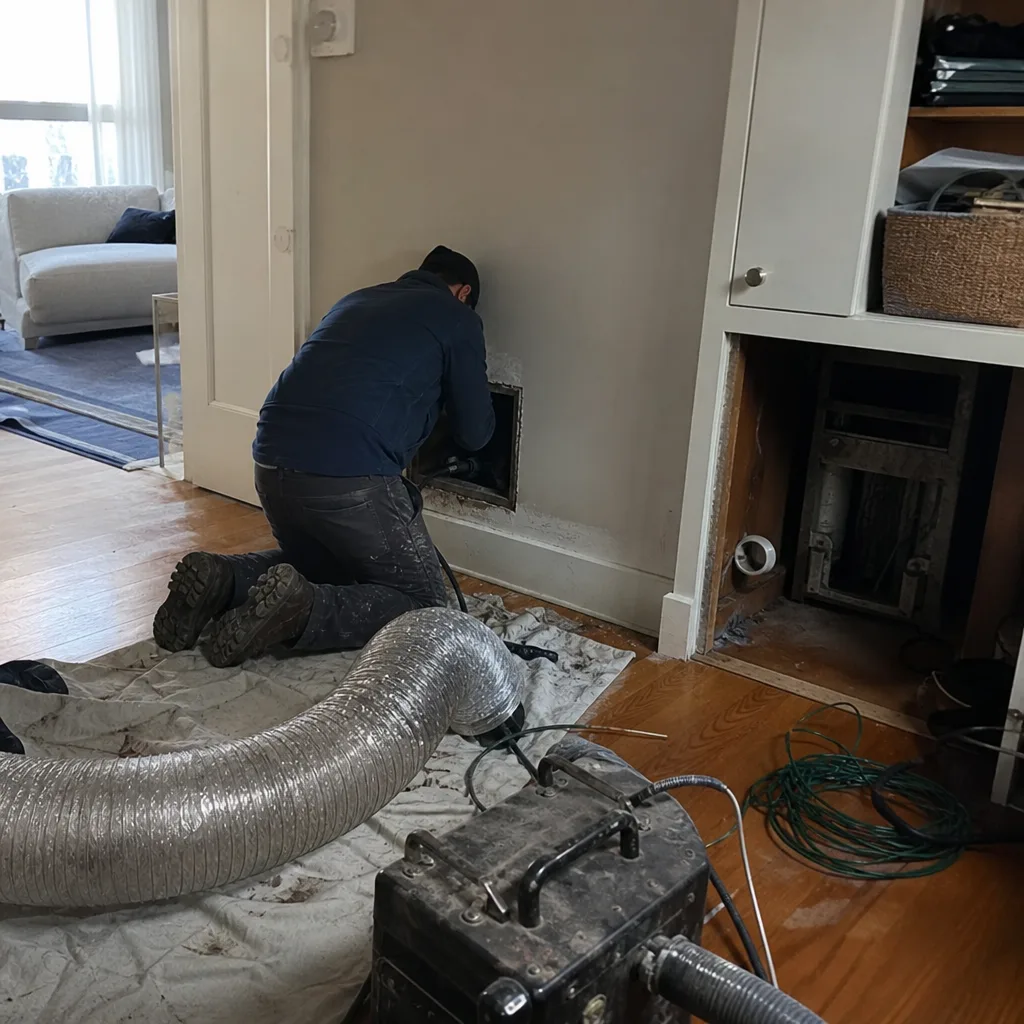 Before
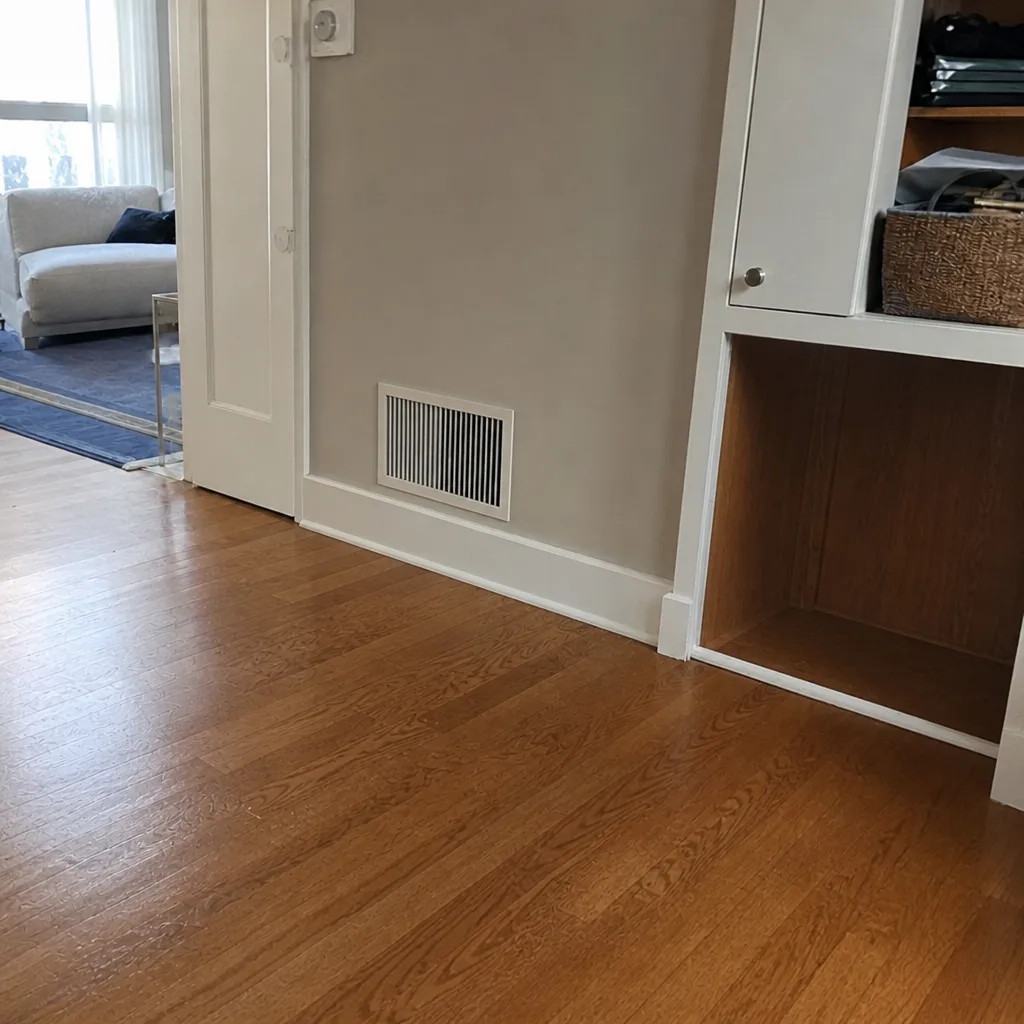 After
Frequently Asked Questions
Emergency duct work is quoted per job by the written estimate, not by per-vent pricing. The scope depends on the emergency – fire and soot jobs, flood and post-water jobs, and rodent contamination jobs each have a different worksheet. Call (855) 632-0215 for an exact quote; estimates are free. Be wary of any company that quotes a firm price over the phone before inspecting the system.
Cheap emergency quotes usually cover surface cleaning only – a vacuum at each register with no HEPA capture, no containment, no duct-wall agitation, and no repair capability. That’s a different service than what a fire, flood, or pest contamination job actually requires. On a real remediation scope, the equipment (Rotobrush rotary brush, Nikro HEPA extraction, Abatement Technologies negative air) is a meaningful part of the cost. Ask what equipment is coming, and if the answer doesn’t include HEPA-rated capture, the quote isn’t for the same job.
You’ll know three ways. First, the written assessment before work begins tells you what was found and what’s in scope. Second, the crew takes before-and-after photos of your own ducts and air handler, not stock images. Third, the work-completion summary lists each component cleaned or repaired – registers, returns, main trunk, branches, air handler. If a contractor can’t offer those three, the work is hard to verify and the insurance file is thin.
It’s event-driven, not calendar-driven. Fire, flood, and confirmed pest infestation are the three that justify emergency response. Between events, routine maintenance depends on the system and the household – recent renovations, allergy concerns, and a new HVAC install are the usual prompts. If there’s no emergency, the right call is a scheduled assessment, not an emergency visit. If you’re unsure whether your situation counts, describe it on the phone and we’ll tell you whether an assessment makes sense.
Often yes, when the duct contamination is documented as a direct result of the insured event. Coverage depends on your policy and the adjuster’s file, not on us – we can work with your insurer and provide the photos, written assessment, and repair scope the claim needs. File the assessment and photos before any cleaning begins, and make sure the report ties the duct contamination to the triggering event.
Yes, and they should be. Emergency conditions usually open joints, disconnect flex runs, or damage the air handler cabinet, and a clean-only job leaves those pathways in place. Ask up front whether the company can clean and repair on the same visit, and what they’ll do if a disconnected run is found. Duct Cleaning Quincy handles both halves on the same visit, so one call covers contamination and structural issues together.
The Bottom Line
The emergency is what exposes the duct system, but the response order is what protects the house and the claim. Shut the system off first. Photograph everything. Get a written assessment before any cleaning. File it with the adjuster early. Then clean and repair to remediation standard with HEPA-rated and negative-air equipment, and document the before-and-after of your own ducts. In Quincy, the homes that come through a fire, flood, or pest infestation cleanest are the ones where the homeowner knew to ask for documentation and a repair scope from the first phone call. If you’d like to see how we handle routine work as a comparison, the dryer vent cleaning page and the Duct Cleaning Quincy hub show the same equipment and process on non-emergency jobs, and the Quincy page covers the local service area. When you’re ready to book an assessment, call (855) 632-0215. We answer 24/7. Fast dispatch from 7am to 7pm, Sunday through Friday. Our technicians have up to 14 years of experience, all equipment is professional-grade, and the price is set per job by the written estimate so there’s no surprise on the invoice.
Written by the team at Duct Cleaning Quincy.