
Last updated November 15, 2026
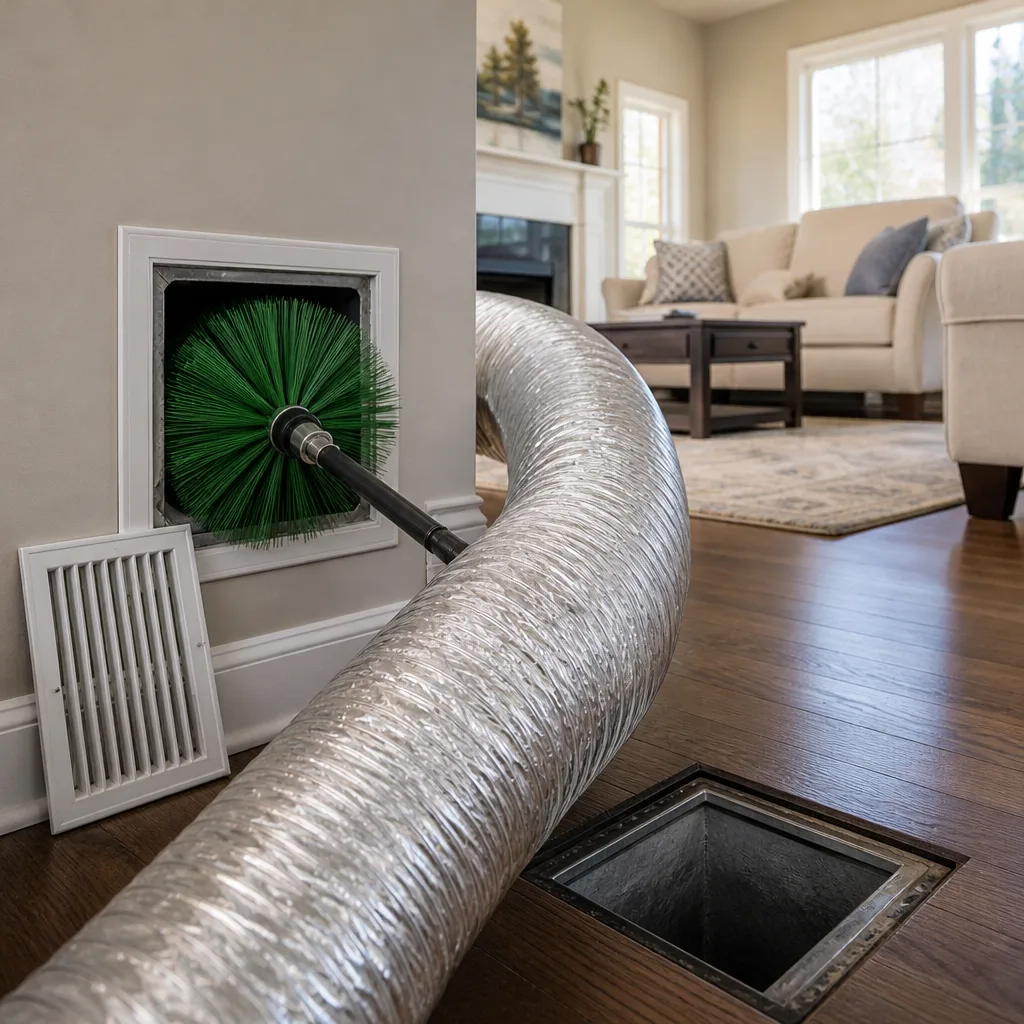 Whole-home duct cleaning
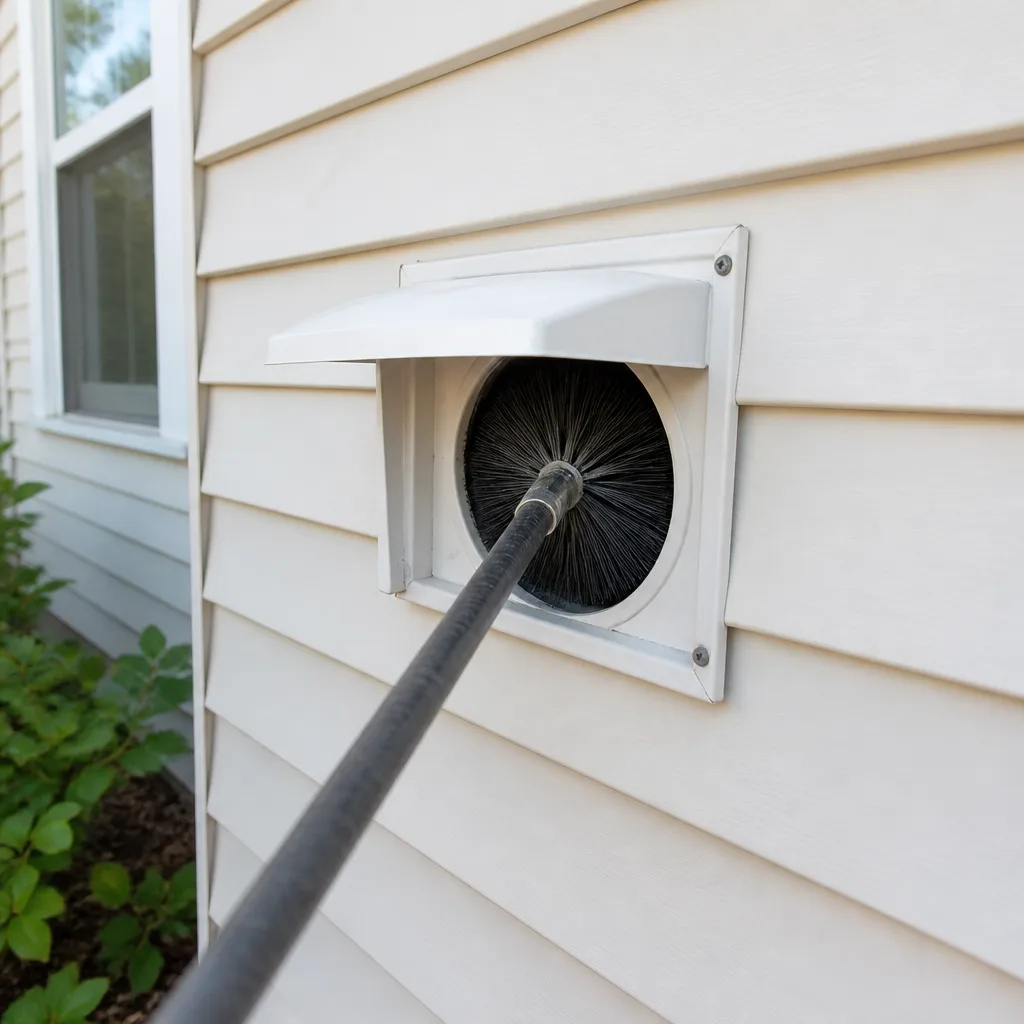 Dryer vent cleaning
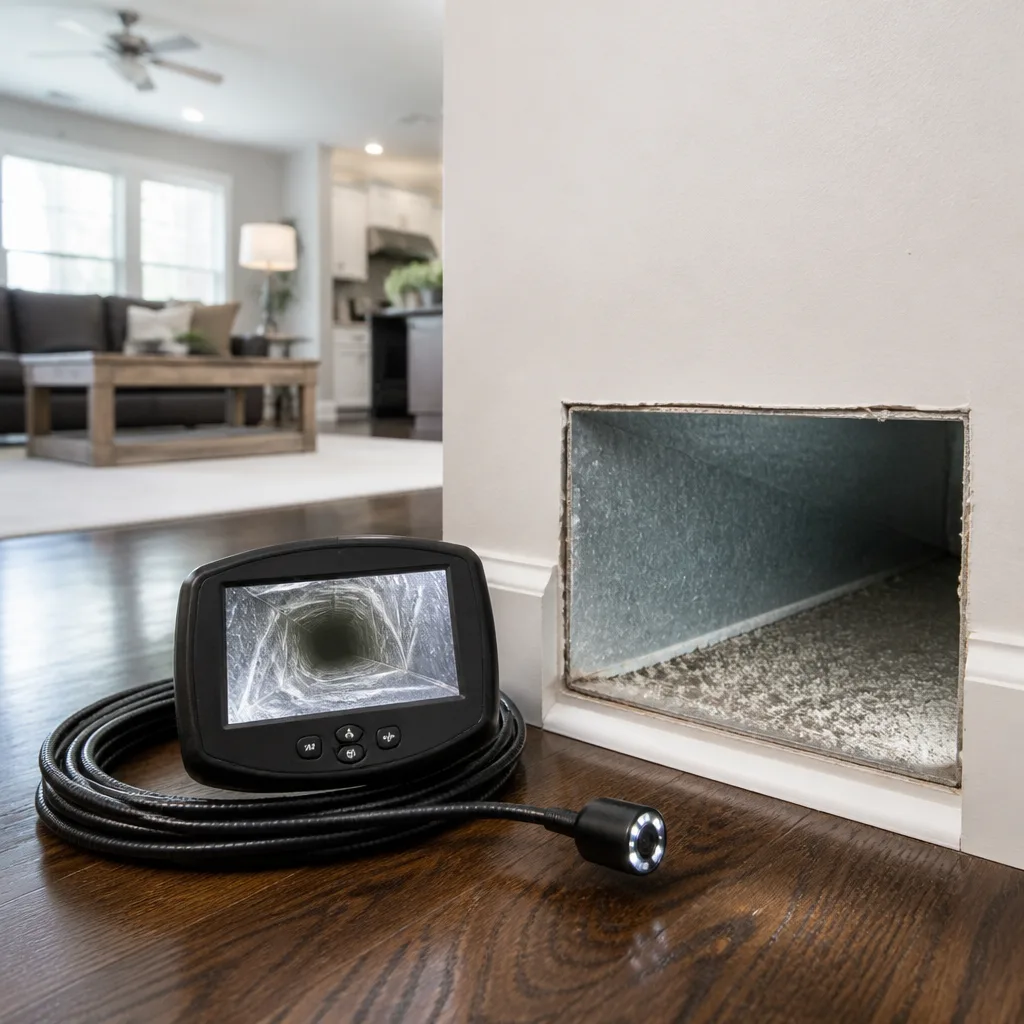 Camera inspection
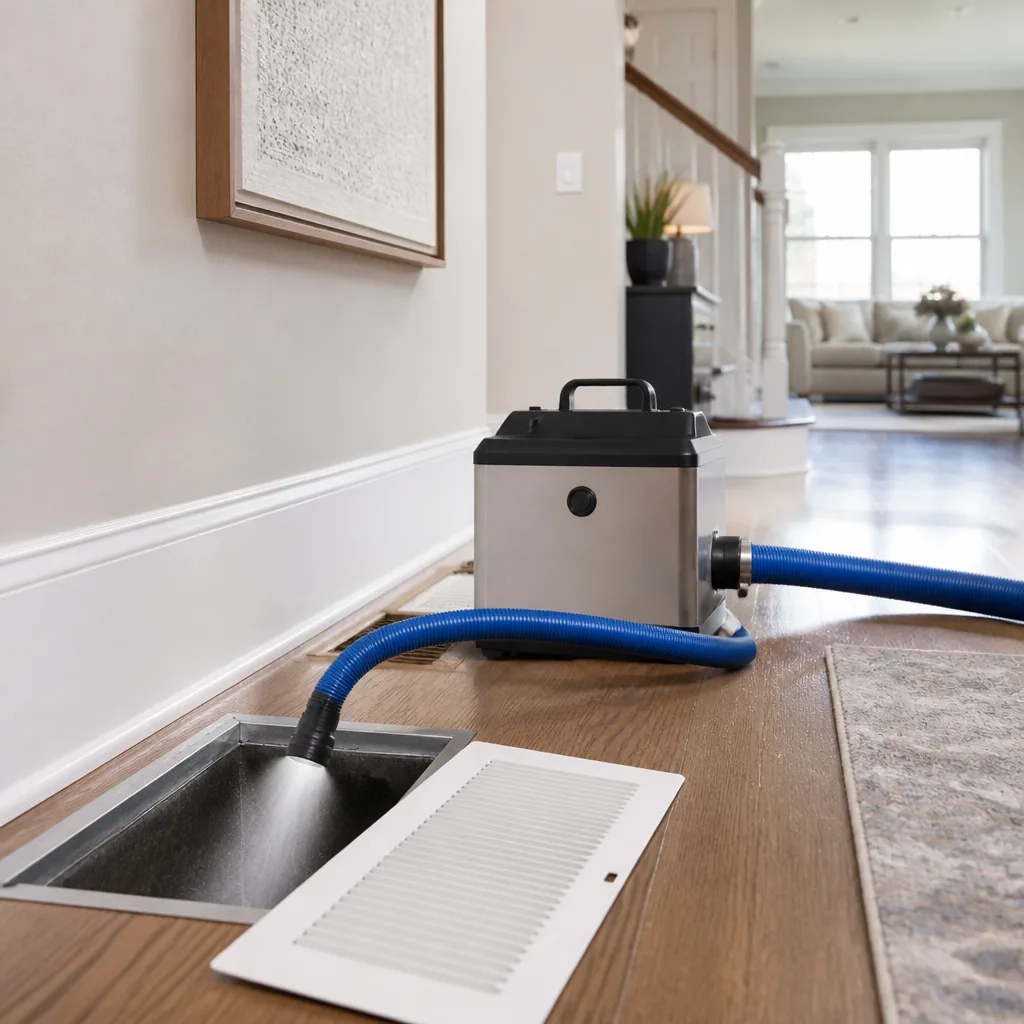 Sanitizing & deodorizing
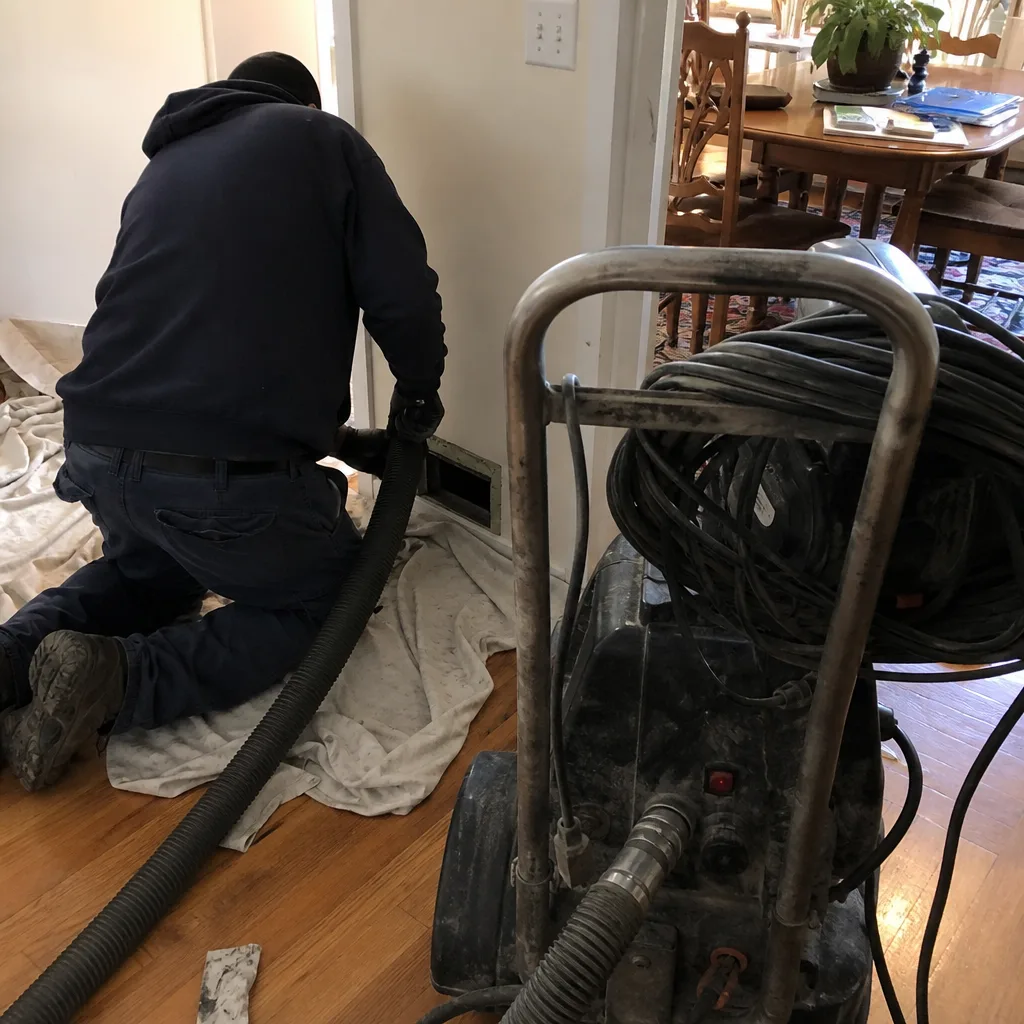
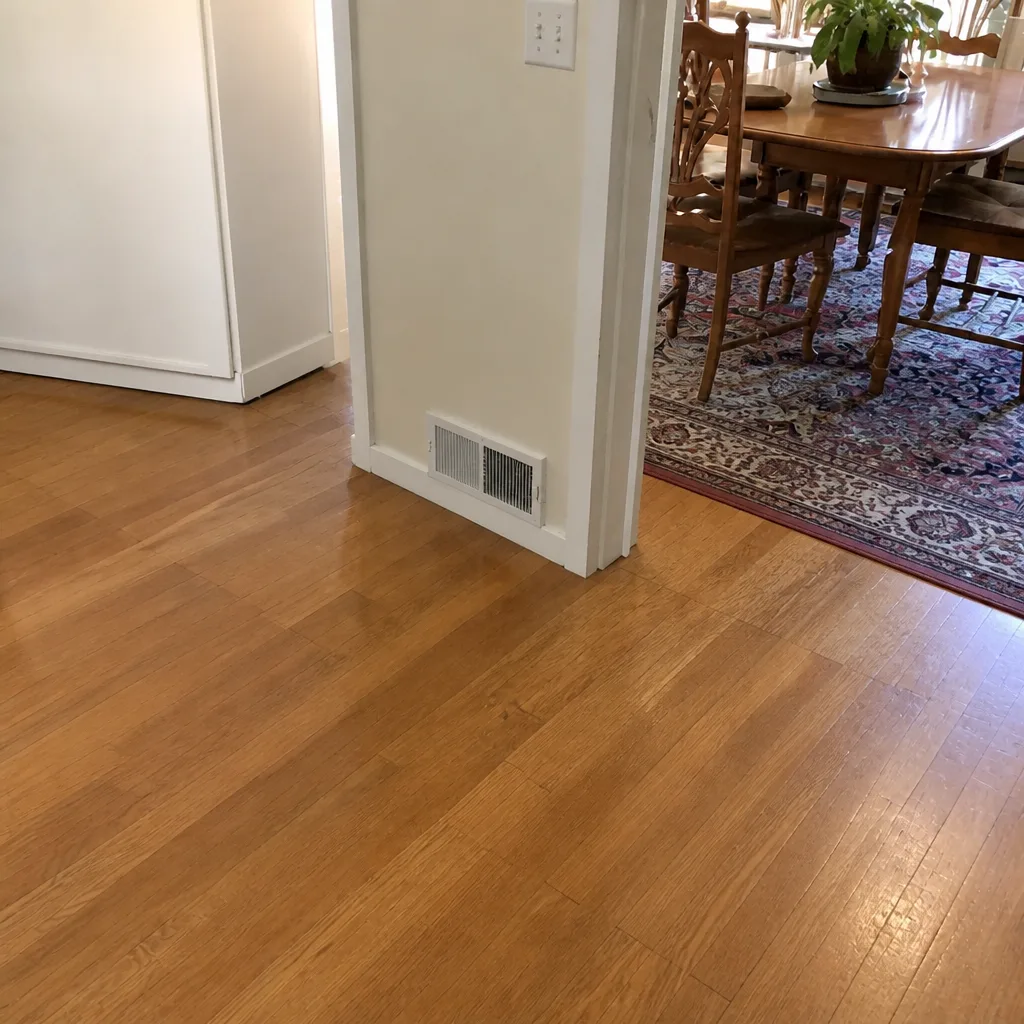
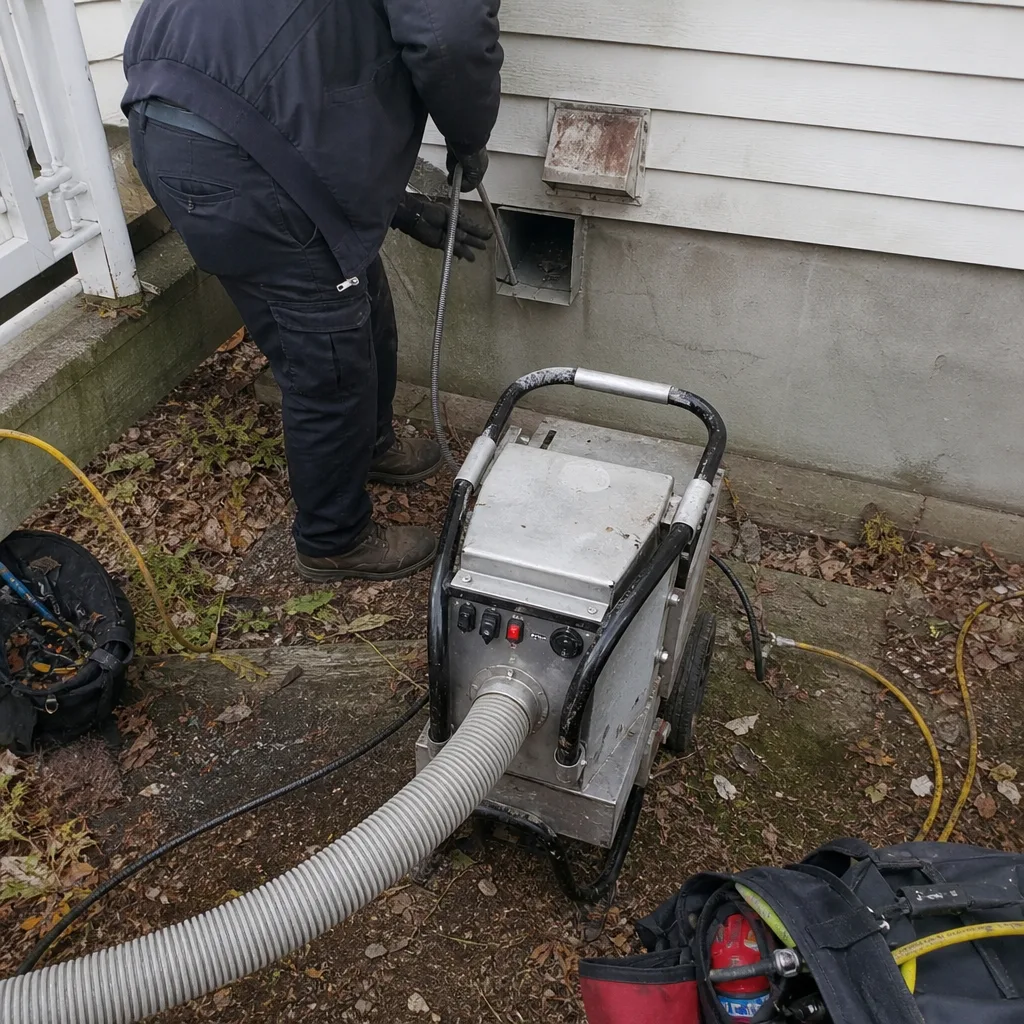
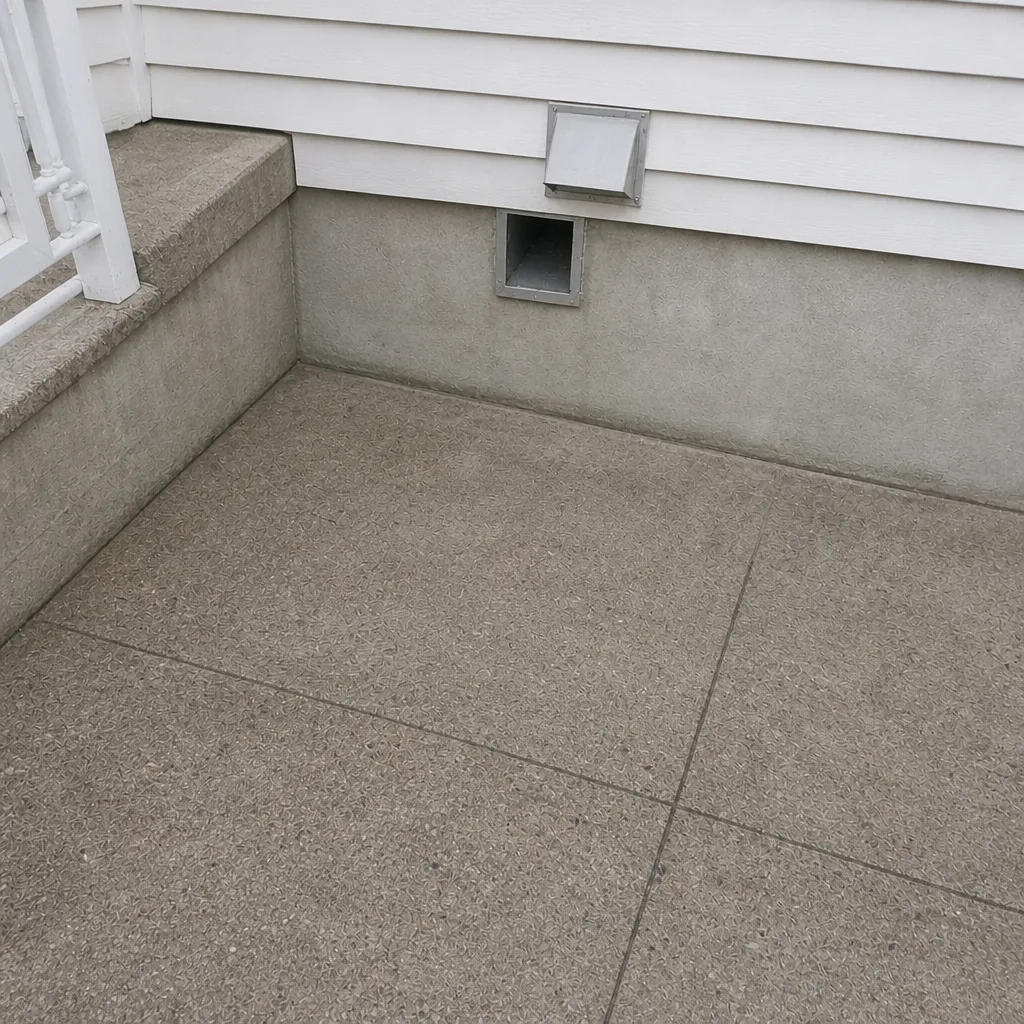
Whole-system duct and dryer vent check with before-and-after photos - you see exactly what came out of your vents
That "$99 whole-house special" is a bait ad - the real number appears once they are in your hallway, or the "clean" is a shop-vac at the register. We photograph the inside of your ducts before and after instead.
Air Duct Cleaning Permits, Codes & Inspections in Quincy, MA: What You Need to Know
Here’s the part most homeowners never hear: cleaning your ducts almost never needs a permit, but the repair work that often comes with it can. If a contractor reseals your duct joints, swaps out a flex duct run, or reworks your return air box during a cleaning visit, that falls under Massachusetts mechanical code, and someone has to pull a permit for it. If that work happened without one, it can sit on your property record and surface at the worst possible moment. This guide walks through where the line sits, how the City of Quincy handles mechanical permits, what a home inspector looks for, and what to ask any contractor to document before they touch your ductwork in Quincy.
Quick Answer
Air duct cleaning by itself does not require a permit in Quincy or anywhere in Massachusetts. Duct alteration does. Under the Massachusetts mechanical code (248 CMR), replacing, adding, rerouting, or modifying ductwork is mechanical work that generally needs a permit and an inspection from the City of Quincy Building Department. If your cleaning turns into repair, ask who is pulling the permit and what will be documented.
Styles & brands we work with
- Whole-home duct cleaning
- Dryer vent cleaning
- Camera inspection
- Sanitizing & deodorizing
Table of Contents
- Cleaning vs. Duct Alteration: Where the Line Actually Sits
- What Massachusetts 248 CMR Says About Ductwork
- How the City of Quincy Building Department Handles Mechanical Permits
- What an HVAC Duct Inspection Actually Looks Like
- Why Unpermitted Duct Repair Hurts at a Home Sale
- Duct Repairs That Show Up in Quincy’s Older Housing Stock
- What to Ask Your Contractor to Document
- Red Flags That Suggest a Permit Was Skipped
Cleaning vs. Duct Alteration: Where the Line Actually Sits
The distinction is simpler than most people expect. Cleaning removes debris from ductwork that stays exactly where it is. Alteration changes the ductwork itself – the shape, the location, the connections, or the components. One is maintenance. The other is mechanical work, and Massachusetts treats those two things very differently.
Cleaning, in the permit sense, means mechanical agitation and negative-air capture inside existing ducts. That’s what air duct cleaning is designed to do – brush the interior, pull the dislodged material into a HEPA-filtered vacuum, and leave the duct assembly untouched. No permit, no inspection. Nobody is changing the system.
Alteration is where it flips. These are the actions that typically cross the line into permitted mechanical work:
- Replacing a section of rigid or flex duct, even a short run
- Adding a new supply or return branch to serve a room
- Rerouting ductwork to clear an obstruction or improve airflow
- Rebuilding or resizing a return air box or plenum
- Changing the duct layout as part of an HVAC replacement
- Sealing joints with mastic or tape when the sealant job includes replacing damaged sections
Notice that last one. Sealing alone is often just maintenance. Sealing plus replacement of damaged duct is alteration, and that’s the scenario where a homeowner ends up with unpermitted work without realizing it. In our experience, this is where a lot of small jobs quietly go sideways. The homeowner hired a cleaning. The technician found crushed flex duct behind a finished wall and replaced it on the spot. Nobody pulled a permit. That’s a real problem down the road.
If you’re unsure which category your project falls into, the honest answer is to ask the Building Department directly before the work starts. A five-minute phone call now saves a much longer conversation later.
What Massachusetts 248 CMR Says About Ductwork
Massachusetts regulates mechanical work through 248 CMR, the state’s uniform mechanical code. That code governs the installation of HVAC systems, including the ductwork that distributes conditioned air through a home. Ductwork isn’t treated as an accessory to the furnace. It’s part of the mechanical system, and the code sets requirements for how it’s sized, supported, sealed, and connected.
A few things the code covers that homeowners should be aware of:
- Duct material and construction. Ductwork has to meet standards for the application – flex duct isn’t acceptable in every location, and materials have to be rated for the environment they’re installed in.
- Sealing requirements. Joints and connections are required to be sealed in specific ways depending on the duct location. Ducts in unconditioned spaces like attics and crawl spaces get closer scrutiny because leaks there waste energy and pull in outside air.
- Support and clearance. Duct runs need proper support and clearance from combustibles. Sloppy support work – sagging flex, duct resting on joists, undersized straps – is something an inspector will flag.
- Return air and plenum construction. Return air boxes and plenums have their own requirements, especially where they connect back to the air handler.
Where this matters for duct repair specifically is scope. The code doesn’t just say “install it correctly.” It defines what counts as mechanical work that requires a permit. Modifying a duct system – even partially, even temporarily – generally triggers that requirement. Cleaning doesn’t. That’s the whole distinction, and it’s why the same visit can be a no-permit cleaning and a permit-required repair.
We’re not code officials, and this guide is not legal advice. The Massachusetts code text is public and the city can clarify anything specific to your property. But understanding the framework helps you ask the right questions, especially in a city like Quincy with a mix of older homes and updated mechanical systems.
How the City of Quincy Building Department Handles Mechanical Permits
The City of Quincy Building Department issues mechanical permits for HVAC work, including duct alterations, and inspects the work after installation. If ductwork is replaced, added, rerouted, or otherwise modified as part of a mechanical project, a permit is normally part of the process. The permit application lists the scope, the contractor pulls it, and an inspector verifies the work before the permit closes.
For homeowners, the practical steps look like this:
- Ask who is pulling the permit. Any contractor doing permitted mechanical work should be able to tell you the permit number and the name on it. If they say a permit isn’t needed, ask them to explain why the work doesn’t count as an alteration.
- Confirm the scope on the application. Read what’s being permitted. If the application says “replace flex duct run to second-floor bedroom” and what actually happened was a full return air rebuild, that’s a mismatch that will complicate an inspection.
- Request the inspection. Permitted work has to be inspected. If the work is done and closed without an inspection, the permit isn’t actually complete.
- Keep your paperwork. The permit record and inspection sign-off are documents that belong in your home file, right next to the receipt.
Quincy’s housing mix makes this relevant more often than in newer suburbs. Plenty of homes in neighborhoods like Wollaston, Quincy Point, and Montclair were built before modern flex duct and hermetic sealing was standard. Ductwork in these homes has often been modified several times across several decades of ownership, sometimes with permits and sometimes without. That history is what makes a paper trail valuable.
Turnaround times vary with the department’s workload and the specific job. The Building Department is the source for current timelines, fees, and inspection scheduling. Don’t rely on a contractor’s guess about how long something will take – call the city.
What an HVAC Duct Inspection Actually Looks Like
A mechanical inspection for ductwork isn’t just a visual walkthrough. The inspector is verifying that the installation meets code requirements for the specific work that was permitted. That means looking at the things a contractor might skip when nobody is watching.
An inspection typically covers:
- Materials. Duct material, insulation, and sealant need to match what’s permitted for the application and location.
- Support and connections. Runs need proper support, tight connections, and correct transitions. A sagging flex duct or a duct taped at a joint is a red flag.
- Sealing. Joints and penetrations need to be sealed to code. Gaps around duct boots at walls and floors are commonly flagged.
- Clearances. Ductwork has to maintain required clearance from combustibles and other systems. This is where half-finished attic and basement runs get caught.
- Equipment tie-in. Ductwork connected to a new or modified air handler, furnace, or coil has to be installed correctly relative to that equipment.
The inspection is a check for workmanship and code compliance, not a quality control audit of the cleaning or installation job. There’s a difference between a pass and a good job. An inspector can verify that a duct connection is sealed and supported without confirming that the debris inside was actually removed. That’s why documentation from the contractor – photos, materials list, scope – is worth having regardless of permit status. When we use Rotobrush rotary brush systems and Nikro HEPA vacuums, the visible outcome (clean ducts, sealed joints, verified repair) is what the homeowner should be asking to see. That’s what before-and-after photos are for.
Why Unpermitted Duct Repair Hurts at a Home Sale
This is where unpermitted ductwork becomes expensive. When you sell a home in Quincy, the buyer’s home inspector looks for signs of work that doesn’t match the property record. Duct repair is a common finding, because the visual evidence of a recent repair – a new flex run, fresh mastic, a resealed return box – is exactly what inspectors are trained to notice.
What happens when it’s found:
- The buyer asks for proof. They want the permit number, the inspection record, or at minimum a contractor’s invoice showing the scope of work. No paperwork, no answer.
- The closing gets delayed. Unpermitted work can push closing while the seller tries to retroactively pull a permit, which usually involves opening up the work for inspection.
- Insurance questions surface. Homeowners insurance policies can be complicated by unpermitted work, especially if a later claim touches that system. Ask your insurer how they treat work without a permit record.
- The seller’s options narrow. Retroactive permits can cost more than the original permit would have, and if the work isn’t code-compliant, it has to be redone.
None of this is a reason to skip duct repair. Disconnected and damaged ductwork wastes energy, pulls debris into the home, and undermines the HVAC system it serves. It’s a reason to do the repair with documentation. In our experience, homeowners who keep the permit paper trail from the start spend zero time chasing it at the closing table.
Duct Repairs That Show Up in Quincy’s Older Housing Stock
Quincy homes tend to run older than the machinery inside them. A house built decades ago has probably seen at least one furnace replacement, a couple of ductwork modifications, and possibly an attic conversion or addition that extended the system into new space. That history is what drives most of the duct repair we’re called to look at.
Common repairs we see in Quincy and the surrounding area:
- Disconnected flex duct in attics. Flex runs that have slipped off a collar or come loose at a boot. The heating or cooling still runs, but it’s blowing into the attic instead of the room.
- Crushed runs behind finished walls. Ductwork that was squeezed into a tight stud bay or stepped on during a renovation, and now moves almost no air.
- Worn flex in older trunk lines. The interior liner degrades over time, and the interior of the duct becomes a debris collection point.
- Leaking returns in basements and crawl spaces. Return air that pulls from dirty or damp spaces rather than the living area, which is a genuine air quality issue.
- Undersized or overcomplicated layouts. Duct runs that were modified piecemeal across several renovations and never rebalanced.
Most of the homes in neighborhoods like Squantum, Merrymount, and Wollaston present at least one of these. The repair itself is often mechanical work – replacing a crushed run, reconnecting a boot, rebuilding a plenum – and that’s exactly the category of work where a permit becomes relevant.
This is also where the equipment matters. Abatement Technologies negative-air equipment is what lets a repair and cleaning job run together without recirculating dislodged debris back into the living space. Duct repair without proper containment is a dirty process. Duct repair with the right equipment is a controlled one.
What to Ask Your Contractor to Document
Whether or not your job requires a permit, you should end up with a record. The permit, when needed, is the first layer. Documentation is the second, and it’s what protects you when a contractor, an inspector, or a buyer starts asking questions later.
The list is short and specific. Ask for:
- Before-and-after photos of the ductwork. Clear images of the interior of the ducts, the repair itself, and the finished result. Timestamped photos are better than nothing.
- A written scope of work. What was cleaned, what was repaired, what materials were used, and what was left untouched. One page is fine, as long as it’s accurate.
- The permit number and inspection record, if a permit was required for the work.
- Product information. If sealants, mastic, or duct materials were used, the product names and safety data should be documented. Honeywell and Aprilaire product familiarity on the air-quality side is a useful benchmark for what to ask about.
- The contractor’s license and insurance, in writing. Whether or not the job required a permit, a professional will hand this over without hesitation.
If a contractor balks at any of this, that’s its own answer. Real work gets documented. If you want to know what a professional visit looks like before you call, our main page on Duct Cleaning Quincy walks through what we do and how it’s scheduled.
Red Flags That Suggest a Permit Was Skipped
Sometimes the question comes up after the fact. A homeowner inherited a house with a duct repair they didn’t commission, or finds new-looking flex duct in the attic and starts to wonder. There are visual signs that point toward unpermitted work, and they’re worth recognizing.
- Work that doesn’t match the property record. Any duct modification not listed in past permits is a candidate.
- New duct runs feeding nowhere useful. A run that was added but doesn’t actually land at a register. Somebody stopped halfway.
- Sealant applied over dirty joints. Duct sealing has to happen on a clean surface. Mastic slapped on debris won’t hold, and it’s a sign of rushed work.
- Ductwork resting directly on joists or framing. Support is a code requirement. Duct lying loose is a shortcut.
- Unsealed penetrations at walls and floors. Gaps around duct boots should have been sealed. If they weren’t, corners were cut.
- Cheap, mismatched materials. Duct sections that don’t match the rest of the system in construction or insulation are often homeowner-installed or a quick patch job by a low-bid contractor.
Any one of these is a reason to bring in someone who can look at the system properly, not just a guess from a photograph. The right diagnosis is worth more than the right price.
Common Mistakes to Avoid
- Assuming cleaning and repair are the same thing. A cleaning visit can turn into a repair in ten minutes. Make sure you know which category the work falls into before anyone starts, because the permit conversation depends on it.
- Hiring a duct-only company and letting the repair go. Some cleaners won’t touch ducts that are disconnected or damaged – they’ll clean what they can reach and leave. Damage that should have been repaired ends up on your property record as an open question instead.
- Skipping the permit because the work “felt small.” Mechanical permits are based on scope, not size. A short flex replacement is still an alteration.
- Letting a contractor handle the permit without confirming it closed. A pulled permit that never got inspected isn’t finished. Ask for the inspection sign-off.
- Not asking for documentation because the job didn’t need a permit. The permit is only part of the record. Photos, materials, and scope matter on every job.
- Trusting a low bid on repair work without knowing what’s included. The lowest quote on a duct repair often skips the permit, the documentation, or both.
- Waiting until the home inspection to find out. If you’ve lived through a duct repair or inherited one, pull the record now, not when you’re negotiating a sale.
See the difference
 Before
 After
 Before
 After
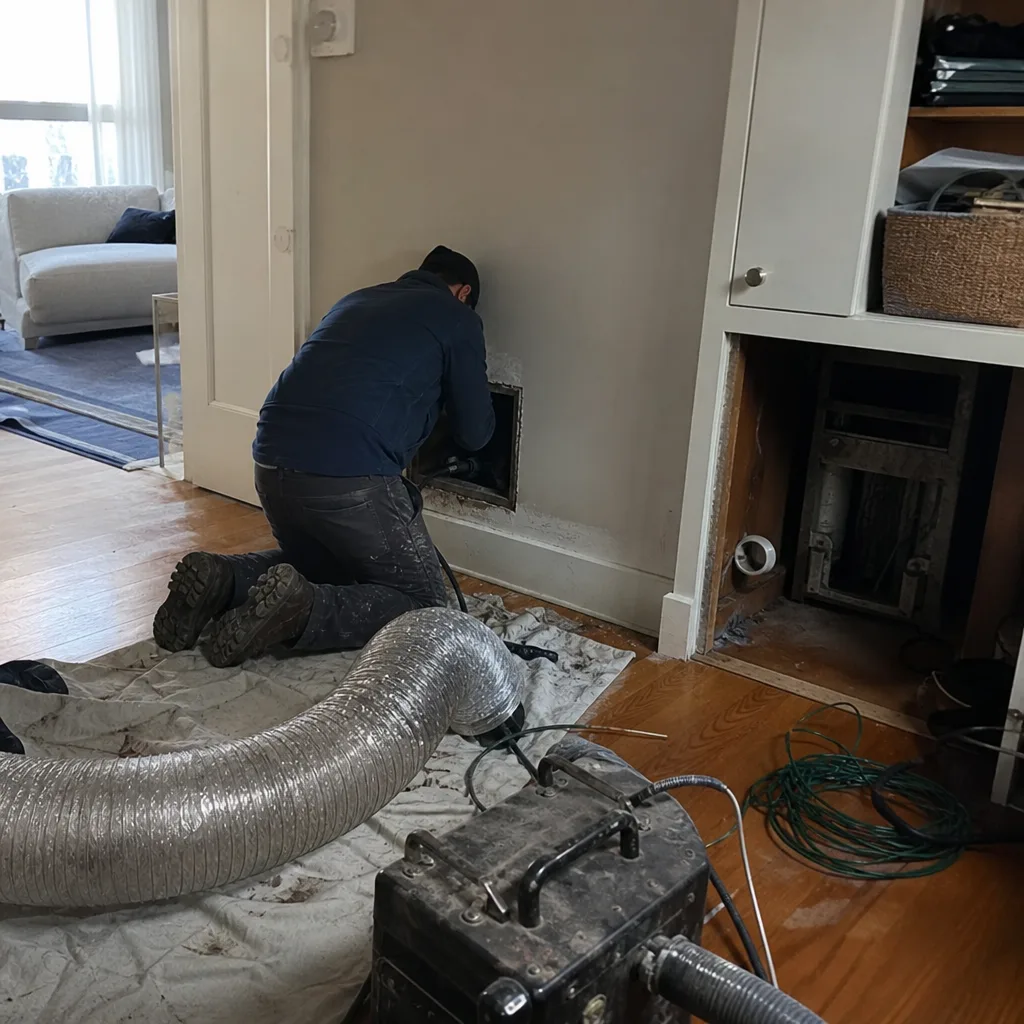 Before
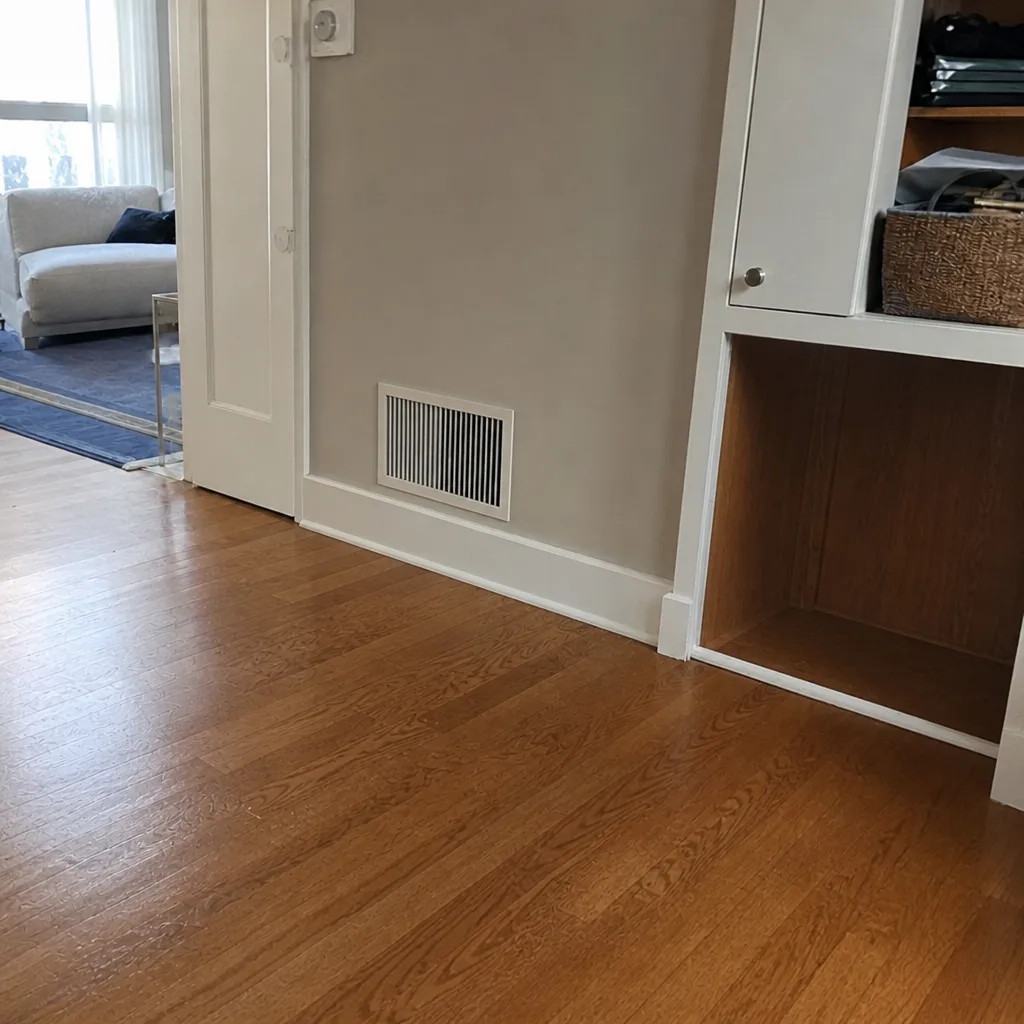 After
When to Call a Professional
Not every duct question needs a contractor. Some do. If you’re seeing visible damage to ductwork behind a register, noticing rooms that never heat or cool correctly, hearing a rattle at the air handler that wasn’t there before, or finding disconnected flex in the attic or basement, that’s a call. Same if you’re concerned about air quality after a renovation, or if you’re getting ready to sell and you have no record of past duct repair work. Airflow problems that don’t go away after a filter change are usually duct problems, not equipment problems. Duct Cleaning Quincy offers free estimates in Quincy – call (855) 632-0215. Our technicians have up to 14 years of experience, and we can tell you in one visit whether your ducts need cleaning, repair, or both. If it needs repair and that repair triggers a permit, we’ll walk you through that too.
Frequently Asked Questions
No. Cleaning existing ductwork doesn’t require a permit in Quincy, because cleaning doesn’t modify the system. Mechanical permits apply when ductwork is replaced, added, rerouted, or otherwise altered. If the cleaning turns into repair, that’s when a permit may be required. Call (855) 632-0215 for an exact quote – estimates are free.
Cleaning removes debris from ducts that stay where they are. Alteration changes the ducts themselves – replacing a run, adding a branch, rerouting, or rebuilding a plenum. 248 CMR treats alteration as mechanical work that generally needs a permit, while cleaning is maintenance. If you’re not sure which your project falls into, ask the City of Quincy Building Department before work starts.
They might. Home inspectors are trained to spot ductwork that doesn’t match the property record, and a recent-looking repair without a permit trail is a common finding. That can delay a closing while the seller tries to pull a retroactive permit. Keeping the permit and inspection record from the start avoids the problem entirely.
Pricing is per system, not per vent, and it depends on the size of the home and what’s inside the ducts. The written estimate sets the final price. We don’t quote teaser prices or per-vent figures – what you get is one flat price per system, agreed before work starts. Call (855) 632-0215 for an exact quote.
Usually because something isn’t included – equipment, containment, documentation, or the repair work itself. Low quotes often skip the permit question entirely. Ask what’s actually covered before you compare prices. A quote that doesn’t include the permit, if one is needed, isn’t the same job. Call (855) 632-0215 for an exact quote.
Ask for before-and-after photos of your own ducts, a written scope of work, and the permit and inspection record if a permit was required. Real documentation is standard on a professional job. If a contractor can’t provide it, that tells you something.
It depends on the home, not a calendar. Recently finished renovations, new HVAC installs, pets, and allergy concerns all move the schedule up. A professional inspection tells you more than a rule of thumb. We can look at your system and tell you what it needs. Call (855) 632-0215 – our estimates are free.
Both. We diagnose and repair damaged, disconnected, and leaking ducts – not just clean them. That matters in Quincy’s older housing stock, where repair and cleaning usually go together. Honeywell, Aprilaire, Rotobrush, Nikro, and Abatement Technologies all appear in our equipment stack because the work spans both. For a repair-focused visit, call (855) 632-0215. We answer 24/7. Fast dispatch from 7am to 7pm, Sunday through Friday.
The Bottom Line
Duct cleaning itself doesn’t need a permit in Quincy or anywhere in Massachusetts. Duct alteration does. The distinction matters because the two are often bundled into the same visit, and homeowners rarely know which one they’re paying for. Before work starts, ask what category the job falls into. If it’s repair, ask who’s pulling the mechanical permit and confirm the inspection gets signed off. Keep the paperwork. Take before-and-after photos, hold onto the written scope, and put the permit record with the rest of your home documents. That file is worth more than any warranty when you go to sell, and it costs nothing to build. Choose contractors who document what they do, and ask about the permit before they touch the ductwork.
If your ducts need cleaning, repair, or a professional opinion on what’s actually going on inside them, call Duct Cleaning Quincy at (855) 632-0215. We answer 24/7. Fast dispatch from 7am to 7pm, Sunday through Friday. Estimates are free, and the written estimate sets the final price. Dryer vent work is part of what we do too, so if your dryer is taking too long to dry clothes, that’s a call we can handle at the same time.
Written by the team at Duct Cleaning Quincy.