
Last updated November 15, 2026
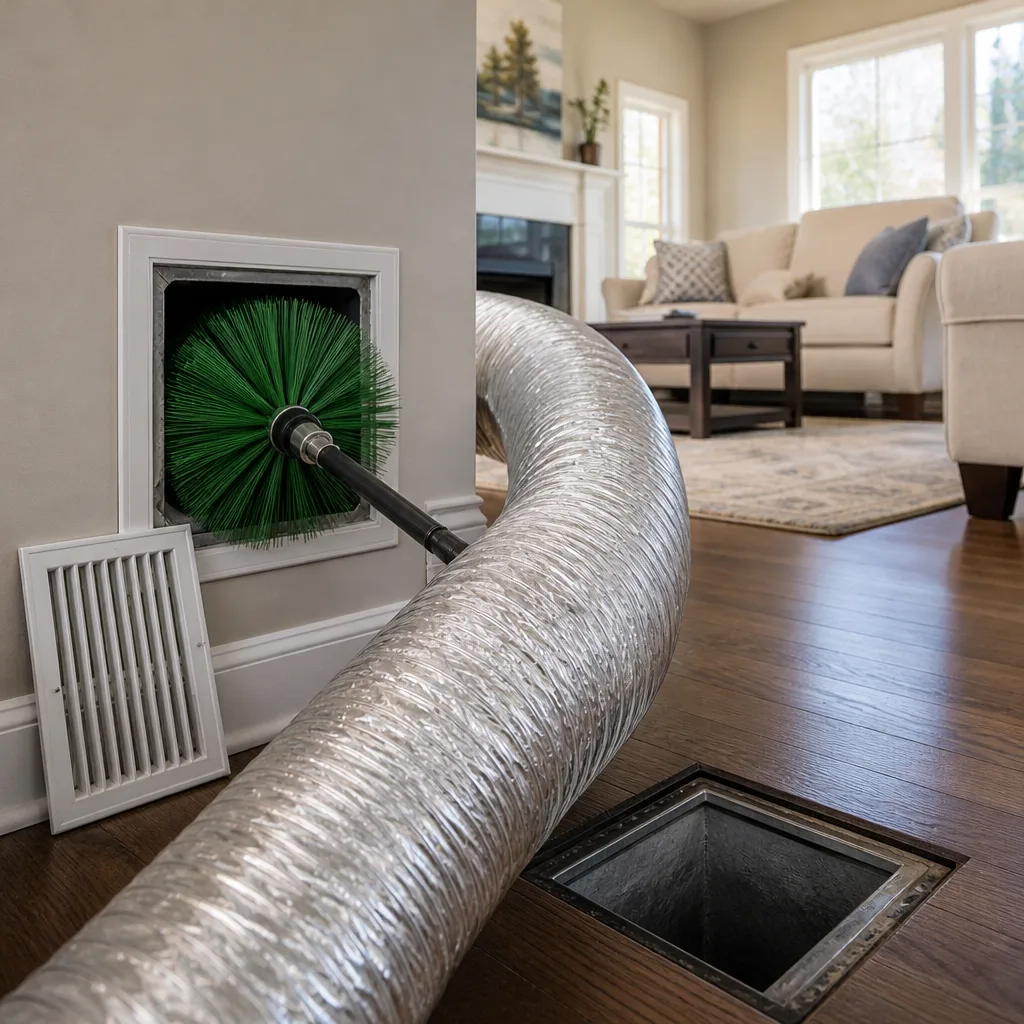 Whole-home duct cleaning
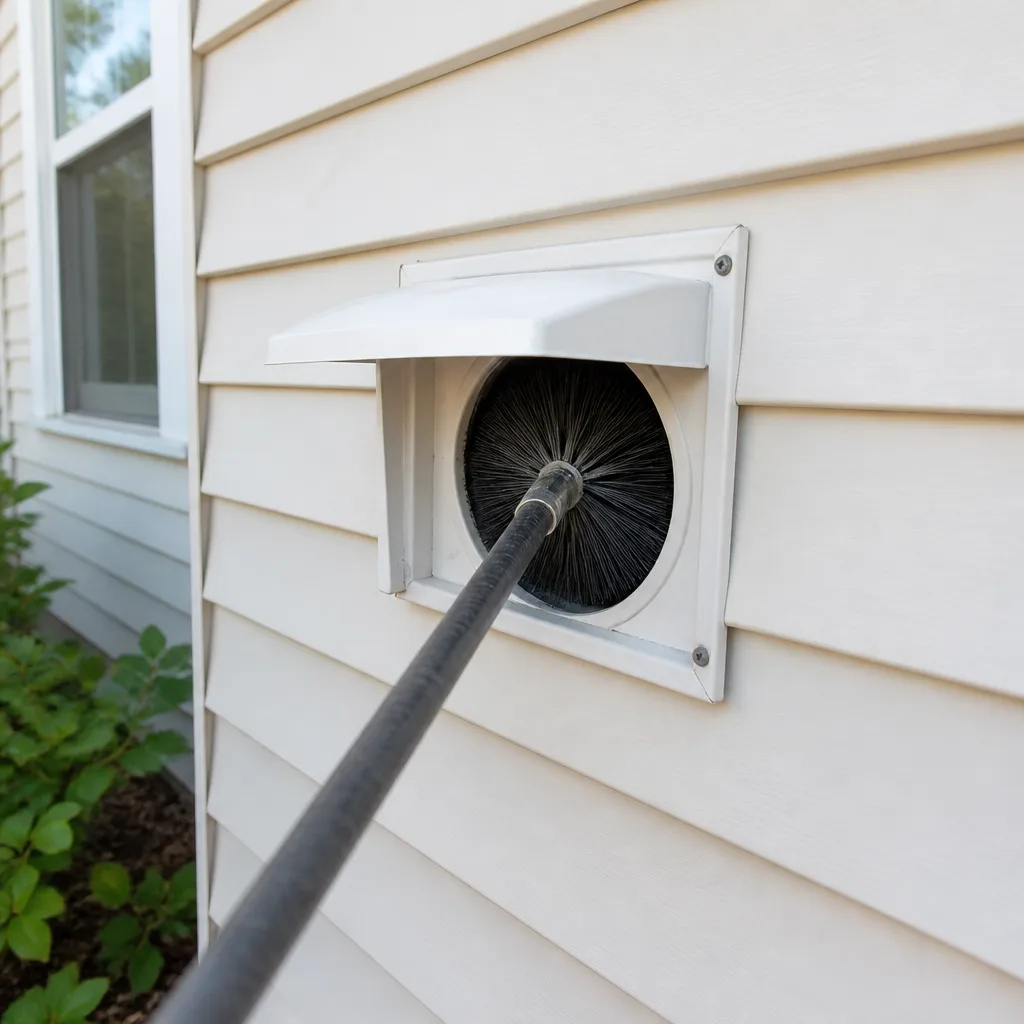 Dryer vent cleaning
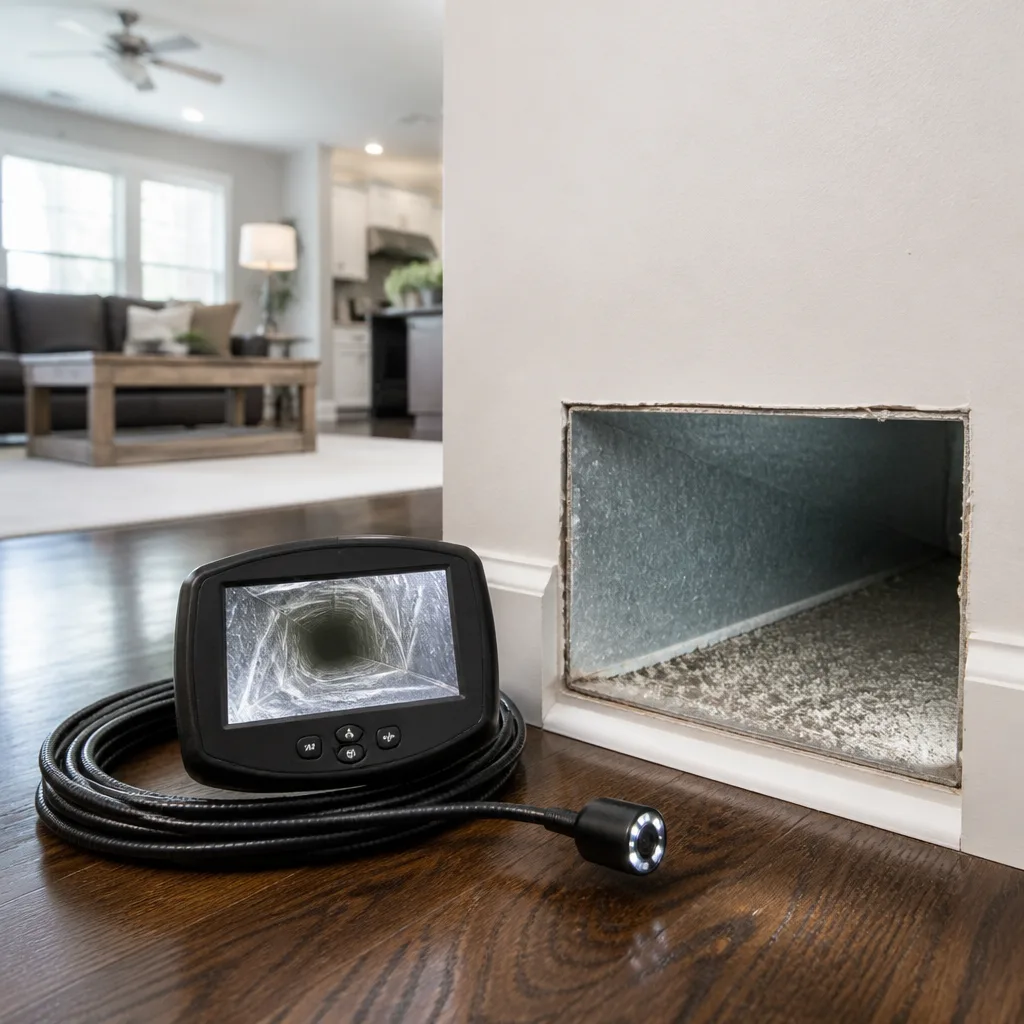 Camera inspection
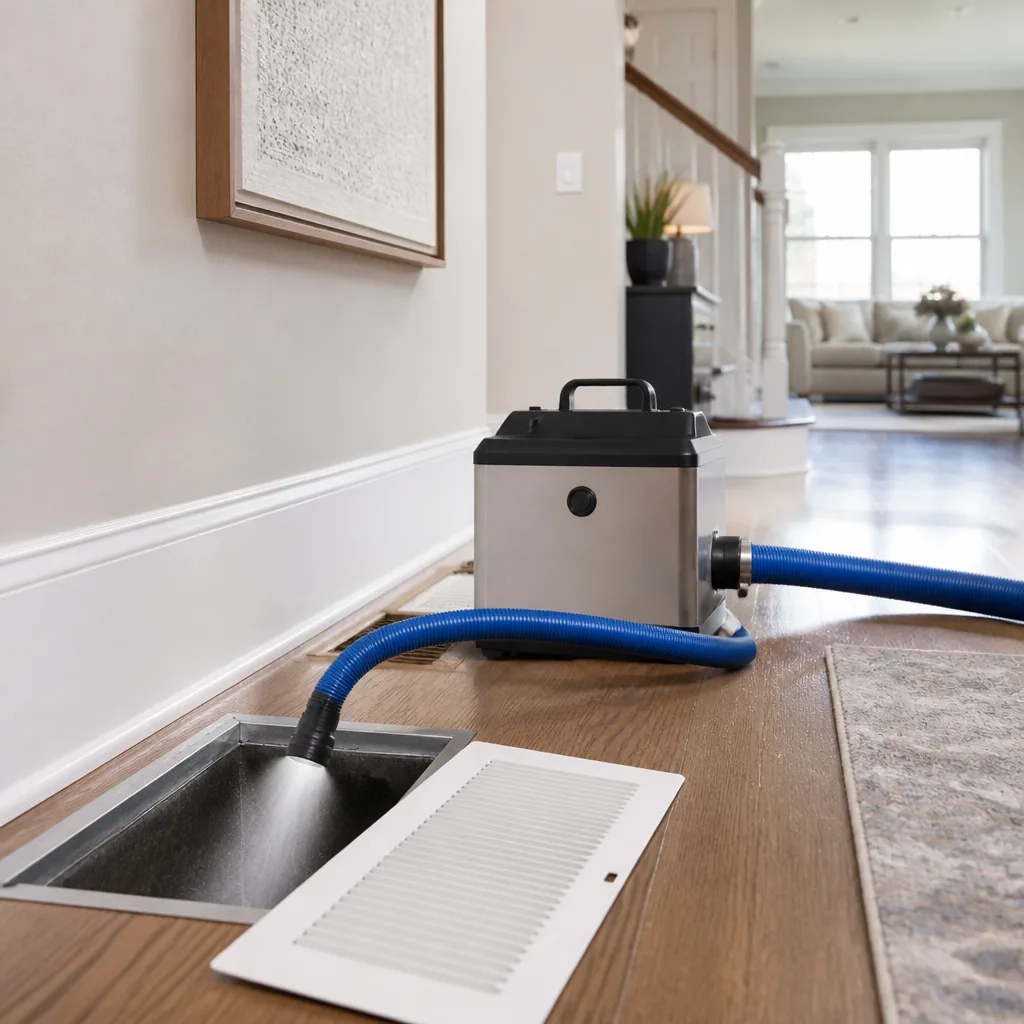 Sanitizing & deodorizing
Whole-system duct and dryer vent check with before-and-after photos - you see exactly what came out of your vents
That "$99 whole-house special" is a bait ad - the real number appears once they are in your hallway, or the "clean" is a shop-vac at the register. We photograph the inside of your ducts before and after instead.
Air Duct Cleaning Warning Signs: A Quincy Homeowner’s Reference Guide
If your allergies are worse indoors than outside, in a house with a running HVAC system, your duct system is more likely the delivery mechanism for the problem than the solution to it. That’s the counterintuitive part. Most homeowners in Quincy assume the filter catches everything, so a dusty vent or a stuffy upstairs bedroom must be an HVAC equipment issue, a seasonal allergy, or just what an older house does. Sometimes it is. Often it isn’t. This guide separates the symptoms that point to contaminated ducts from the ones that point to a dirty filter, a failing system, or ducts that are physically broken. Read it before you call anyone, so you know which of the three you’re actually dealing with.
Quick Answer
The main warning signs of a duct problem in Quincy are visible register discoloration (gray rings, black streaks, oily film), uneven airflow between rooms, musty or chemical odors that appear when the system runs, and dust that returns within days of cleaning. Those signs mean you need the duct system inspected, not just a filter change. If the airflow problems persist after a filter swap and a thermostat check, the ducts themselves are the likely cause.
Styles & brands we work with
- Whole-home duct cleaning
- Dryer vent cleaning
- Camera inspection
- Sanitizing & deodorizing
Table of Contents
- Contaminated Ducts vs. Dirty Filter vs. HVAC Problem: How to Self-Triage
- What Register Discoloration Tells You
- Uneven Airflow Room to Room
- Odor Profiles and What They Mean
- Warning Signs That Go Beyond Cleaning
- Why Quincy’s 1950s to 1970s Housing Stock Matters
- How to Document the Problem Before You Call
- What a Real Inspection Looks Like
Contaminated Ducts vs. Dirty Filter vs. HVAC Problem: How to Self-Triage
Before you spend money on anything, sort the symptom into the right bucket. Three problems produce similar complaints, and only one of them is solved by duct cleaning.
A dirty filter is the simplest case. It’s clogged, airflow drops, and the whole house feels starved for air. A new filter restores airflow within an hour. If your symptoms vanish after a filter change, stop there. That’s the whole problem.
An HVAC equipment problem is next. The blower motor is weak, the system is short-cycling, refrigerant is low, or the unit is simply aging out. You’ll notice this as uneven temperatures that track with equipment behavior, not with room layout. A technician with gauges and a multimeter diagnoses this, not a duct cleaner.
Contaminated or damaged ducts are the case most homeowners miss. The equipment runs fine, the filter is fresh, and yet dust returns within days, the register faces are grimy, and one or two rooms stay weak no matter what you do. That combination points downstream of the equipment, into the ducts themselves.
Run through this checklist and note which bucket your symptoms fit:
- Change the filter. Wait a day. Do the symptoms improve?
- Note which rooms are hot or weak and whether the pattern is consistent across seasons.
- Look at the register faces in multiple rooms and note any discoloration patterns (see the next section).
- Notice whether odors appear only when the system runs, or all the time.
- Write down how quickly dust returns after you wipe a surface.
If your answer to step one is no, and steps three and five raise flags, you’re in duct territory. That’s when the next sections matter.
What Register Discoloration Tells You
Pull the grille off a few supply registers and look at the surface. The pattern of discoloration tells you what’s happening upstream, in the duct trunk and branch lines feeding that register.
- Gray rings around the edges of a register suggest particulate buildup, likely dust and lint carried on a steady airflow over years. Often a sign the duct ahead of the grille is dirty.
- Black streaks in a specific pattern usually follow the airflow path across the grille face. Streaks across the whole face suggest a dirty supply run; streaks concentrated on one side suggest a leak or a partially disconnected section pulling air from a wall cavity.
- Oily or tacky film is a different problem. It can come from cooking grease carried through a return, or from degradation of older duct liner material inside the system. On pre-1980 systems in Quincy homes, an oily film on registers is worth investigating before you clean anything.
- Matte, uniform discoloration across an entire grille, without streaks or rings, is usually just age and normal dust settling.
Wipe the grille faces in three rooms with a white cloth. If the cloth comes back gray on all three, that’s general dust. If one room comes back distinctly blacker than the others, you’ve found a localized duct problem. That localized location is where a real inspection should focus, and it’s a detail most duct-cleaning-only companies won’t notice because they’re cleaning everything uniformly rather than diagnosing a specific failure.
Registers also hint at disconnection. A supply register in an exterior wall that pulls air in instead of blowing out is a red flag. That means the duct feeding it has separated somewhere, and the register is drawing from the wall cavity instead of the trunk.
Uneven Airflow Room to Room
Airflow asymmetry is the single most misdiagnosed sign in this trade. Homeowners notice one bedroom is always cool and the other is always warm, and the thermostat gets blamed. It’s often not the thermostat.
Before calling anyone, do this test. On a mild day, with the system running, hold a tissue or a piece of lightweight paper at each supply register for about ten seconds. Compare the deflection across rooms.
- Uniform deflection across all registers: airflow is balanced, look elsewhere for the temperature difference.
- Weak deflection in one or two registers: something is restricting flow. Could be a closed damper, a crushed flex run, or a partially disconnected duct section.
- No deflection at all in a register that should be supply: the run is likely completely disconnected or blocked.
- Improves when other registers are closed: classic sign of an undersized or main trunk restriction upstream.
Thermostat placement can cause a whole-house complaint but not a single-room complaint. If one room is consistently off while the rest of the house is fine, the thermostat is doing its job. The problem is between the equipment and that room.
In Quincy, this pattern shows up frequently in homes where a previous owner finished a basement or added a room without extending the duct design to match. The equipment is adequate; the duct system grew organically and doesn’t distribute air evenly anymore. That’s not a cleaning problem. That’s a duct layout and repair problem.
Uneven airflow with a fresh filter and visibly clean grilles is the strongest sign you need a full duct inspection rather than a cleaning. If you’ve documented the pattern room by room, you’ve done half the diagnostic work already.
Odor Profiles and What They Mean
Odors are the most specific warning sign duct contamination produces. Different smell profiles point to different causes, and matching them correctly narrows the answer before anyone climbs into your basement.
- Musty, damp, or earth-like. Points to moisture somewhere in the system, often where condensate sits or where a duct run passes through a humid unconditioned space. In a humid stretch of summer, a lightly musty smell that resolves on its own isn’t always a problem. Persistent mustiness that gets stronger when the system runs points to microbial growth and warrants a professional inspection before a routine cleaning.
- Burning or hot-dust smell on startup. Debris sitting on or near the heat exchanger. Common on first use of the season, and usually clears in minutes. If it persists beyond the first few minutes of operation, or returns mid-cycle, treat it as an inspection trigger, not a minor annoyance.
- Chemical or “new plastic” smell. Older systems with fiberglass or foil-faced duct liner can off-gas as the liner degrades. On Quincy systems from the 1960s and 1970s this is worth flagging to whoever inspects the system, because standard duct cleaning won’t solve it and the liner may need repair or replacement.
- Pet, tobacco, or cooking odors that linger. Porous duct surfaces absorb odors over time and release them back into the airflow. Cleaning with proper mechanical agitation often reduces these, but not every duct-cleaning job does. Air-whip-only methods rarely address it.
Two rules for odor diagnostics. First, note whether the smell appears only when the system runs or is present all the time. Only-when-running means the duct system is the source. Second, note whether it’s worse in specific rooms. Localized odor plus a discolored register pointing to the same room is a strong combined signal.
Persistent mustiness is the one symptom we never recommend ignoring. Reach for an inspection before a cleaning, because if there’s active moisture in the system, cleaning without addressing the moisture source doesn’t fix anything.
Warning Signs That Go Beyond Cleaning
Some signs mean the ducts need repair, not just cleaning. Cleaning makes these problems temporarily cleaner. It doesn’t make them right.
The biggest is disconnected or separated duct sections. Flex duct can pull apart at joints, especially where it’s been routed through tight attic or crawl spaces. When that happens, the system pulls air from wherever the disconnect is, which is often an unconditioned space. You’ll notice dust that returns fast, poor airflow in the affected rooms, and a system that runs longer than it should. No amount of cleaning fixes a disconnected duct.
The second is crushed runs. Ducts that were stepped on, sagged, or had weight set on them during a renovation lose their shape and their airflow. A crushed flex run looks fine from the register but restricts flow upstream. Repair involves replacing the affected section, not cleaning it.
The third is visible moisture or liner damage. Water staining on the outside of a duct, sagging liner, or peeling interior foil all point to structural issues. On older systems in Quincy, this overlaps with the liner degradation covered in the previous section, and both need an inspection before cleaning starts.
This is where most duct-cleaning companies stop. Cleaning is their business; structural work isn’t. We handle both. Cleaning is the right answer only after we’ve confirmed the ducts are intact, and that requires the same shop-level diagnostic approach as commercial ductwork. Rotobrush and Nikro equipment agitates and captures debris, but it doesn’t repair a crushed run. That’s a mechanical fix. Air duct repair, alongside cleaning and dryer vent cleaning, is one of the three core services we perform, which means one visit can tell you whether your system needs cleaning, repair, or both.
Why Quincy’s 1950s to 1970s Housing Stock Matters
Age matters here more than most cities. Quincy has a dense stock of homes built between 1950 and 1980, and duct systems from that era were engineered differently than modern ones.
Original systems from this period often used fiberglass duct board and lined metal trunk lines instead of the flex duct common in newer construction. That construction technique gave good thermal performance for the time, but the interior liner degrades with age. It also holds dust more aggressively than smooth galvanized metal, so register grilles in these homes can look worse than you’d expect for a house of their age. If your home was built in this window, add “original duct construction” to the list of things to mention when you call, and expect the inspection to include a look at the liner condition.
Homes in neighborhoods like Wollaston, Quincy Point, and Merrymount often have this combination: original or partially-modified duct systems, a replacement furnace or AC installed in the past decade, and registers that were never updated. That mix produces symptoms that read as equipment problems, when the real issue is the duct layout never matched the newer system’s airflow requirements.
Seasonal weather in Quincy adds a second consideration. Humid summer air, cold winters, and shoulder seasons with both conditions sitting in adjacent weeks stress the metal and liner in ways a mild climate doesn’t. Condensation inside the system during humid stretches is more likely here than in drier parts of the state, and condensation is one of the mechanisms that drives musty odors and liner damage. If you notice mustiness starting in June and clearing by September, moisture is a likely driver, and it’s worth having the system checked before you assume it’s just seasonal.
How to Document the Problem Before You Call
A real duct inspection goes faster and produces better answers when the homeowner has done a little homework. Not repair work. Documentation.
What to note before anyone arrives:
- Which rooms have weak airflow, and whether the pattern changes by season.
- What the register grilles look like in each of those rooms, ideally with a photo of each.
- Whether odors appear on startup, throughout the run, or continuously.
- The age of the home and whether the duct system is original.
- When the HVAC filter was last changed and what type it is.
- Any recent renovation, especially drywall work, basement finishes, or roof work.
- Whether the dryer takes longer than it used to dry clothes.
That last one matters more than it looks. A dryer that used to dry a load in 45 minutes and now takes two cycles is telling you the dryer vent is partially blocked. Lint accumulation in a dryer vent is a documented fire risk, and it’s a separate system from your ductwork but usually a shared conversation. If your dryer is slow and your registers are grimy, both are worth addressing together.
Photos help. Take one of each problem register, one of the filter slot before you change it, and one of the outdoor condenser pad if you can see it. When we arrive with proper equipment, we can then focus the inspection on the specific rooms you’ve flagged instead of spending an hour finding the problem first. That’s the difference between a generic cleaning visit and a diagnostic inspection.
What a Real Inspection Looks Like
The gap between a legitimate duct inspection and a “free check” that’s really a sales script is the equipment on site. Here’s what to expect from a thorough one.
- Camera inspection inside the trunk and main branch lines. A proper inspection looks inside the ductwork, not just at the registers.
- Airflow measurement at the registers. Confirm the pattern the homeowner noted, and use it to trace where the restriction is.
- Liner and duct material check for degradation, crushing, or separation.
- Containment plan before cleaning starts. Abatement Technologies negative-air equipment is standard on much of this work because it keeps loosened debris from moving into the living space during cleaning.
- Written findings: what’s dirty, what’s damaged, and what needs cleaning vs. repair.
If you have a Honeywell or Aprilaire whole-home air quality component (a humidifier, a filtration setup, or a UV component), an inspector who knows those systems can check that it isn’t contributing to the problem and that it’s actually functioning. If you don’t have one, a real inspection shouldn’t try to sell you one. Some homes benefit from a whole-home humidifier or upgraded filtration, and some homes don’t. What you should get is a mechanical diagnosis first, an upgrade conversation second, and only if the diagnosis calls for one.
If your inspection is followed by a cleaning quote that doesn’t differentiate “cleaning needed” from “repair needed,” that’s a red flag. Those are different jobs, and a company that does both will price them separately. If your inspection is a cleaning sales call with no camera, no airflow measurement, and no written findings, keep looking. This is where Duct Cleaning Quincy differs: our technicians have up to 14 years of experience, and we use the same equipment HVAC remediation crews rely on, so the diagnosis and the work are both in our wheelhouse. If you’d like to book an inspection in Quincy, we’re happy to walk you through what the visit covers before you commit.
Common Mistakes to Avoid
- Blaming the thermostat for a single-room airflow problem. A thermostat controls the whole system, not one room. If the problem is localized, the thermostat isn’t the cause. Testing every register with a tissue before touching any settings will confirm this in five minutes.
- Assuming a fresh filter solves everything. A new filter restores airflow but does nothing for contamination or damage inside the ducts. Homeowners in Quincy homes with original 1960s and 1970s systems often mistake this for “it’s fixed,” then wonder why dust returns within a week.
- Hiring a cleaner, not a diagnostic company. Duct cleaning that’s priced by the register usually doesn’t include inspection, and many companies that offer it won’t find a crushed or disconnected run because they aren’t looking for one. Ask whether the company offers air duct repair as a service. If the answer is no, you’re hiring a cleaner.
- Ignoring mustiness that clears on its own in the fall. A musty smell that returns every summer is moisture in the system. It’ll return next year too if the source is never located. Have it inspected instead of waiting for it to vanish again.
- Cleaning before diagnosing. If the ducts are damaged, cleaning makes them cleaner but not fixed. If you’re going to spend the money either way, spend the first hour on inspection and let the findings decide what comes next.
- Skipping the dryer vent because it isn’t the ductwork. Dryer vents clog differently from HVAC ducts but produce their own symptoms (slow drying time, a hot dryer exterior). Because we offer duct cleaning in Quincy and dryer vent cleaning as separate services, both can be on the same visit and diagnosed at the same time.
- Trusting a “free inspection” that’s really a sales call. If the inspection involves no camera, no airflow measurement, and no written findings, it isn’t an inspection. It’s a cleaning quote in a hard hat, and it will find whatever it was written to find.
See the difference
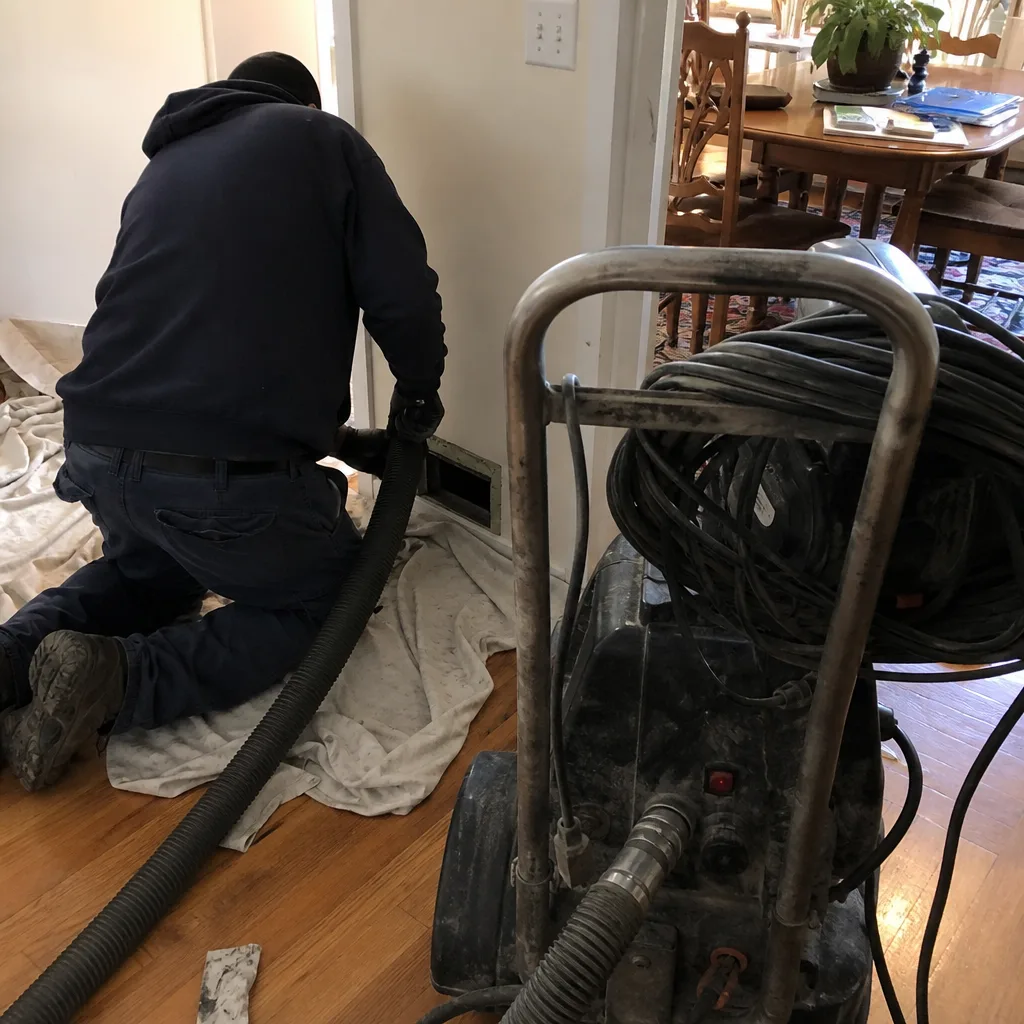 Before
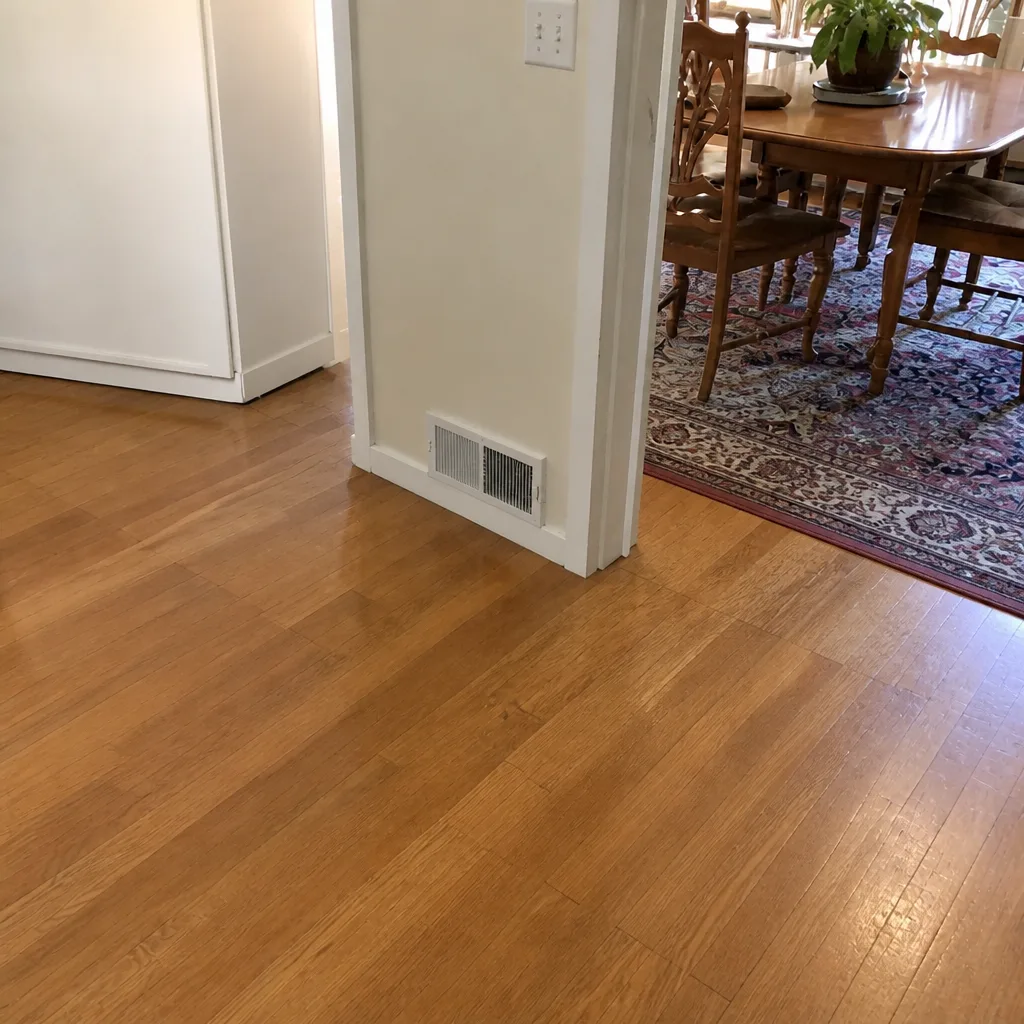 After
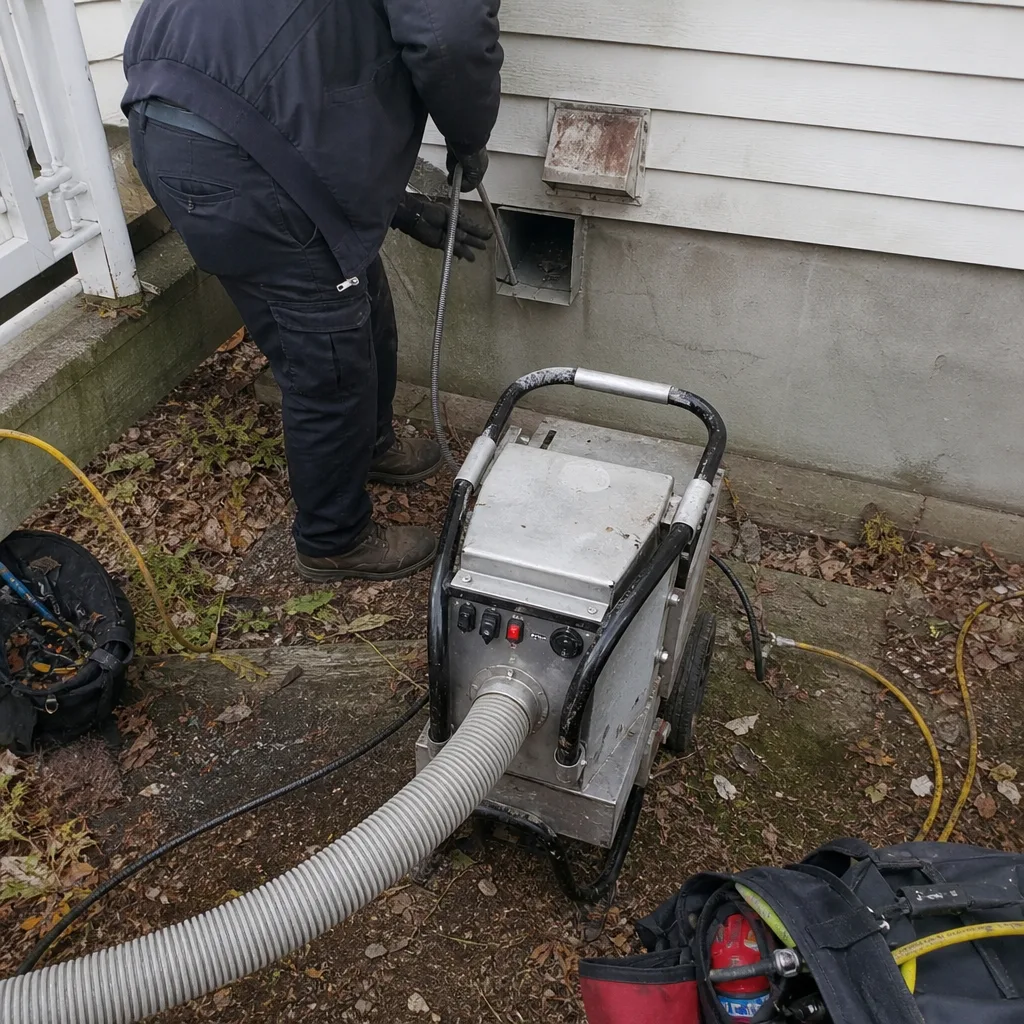 Before
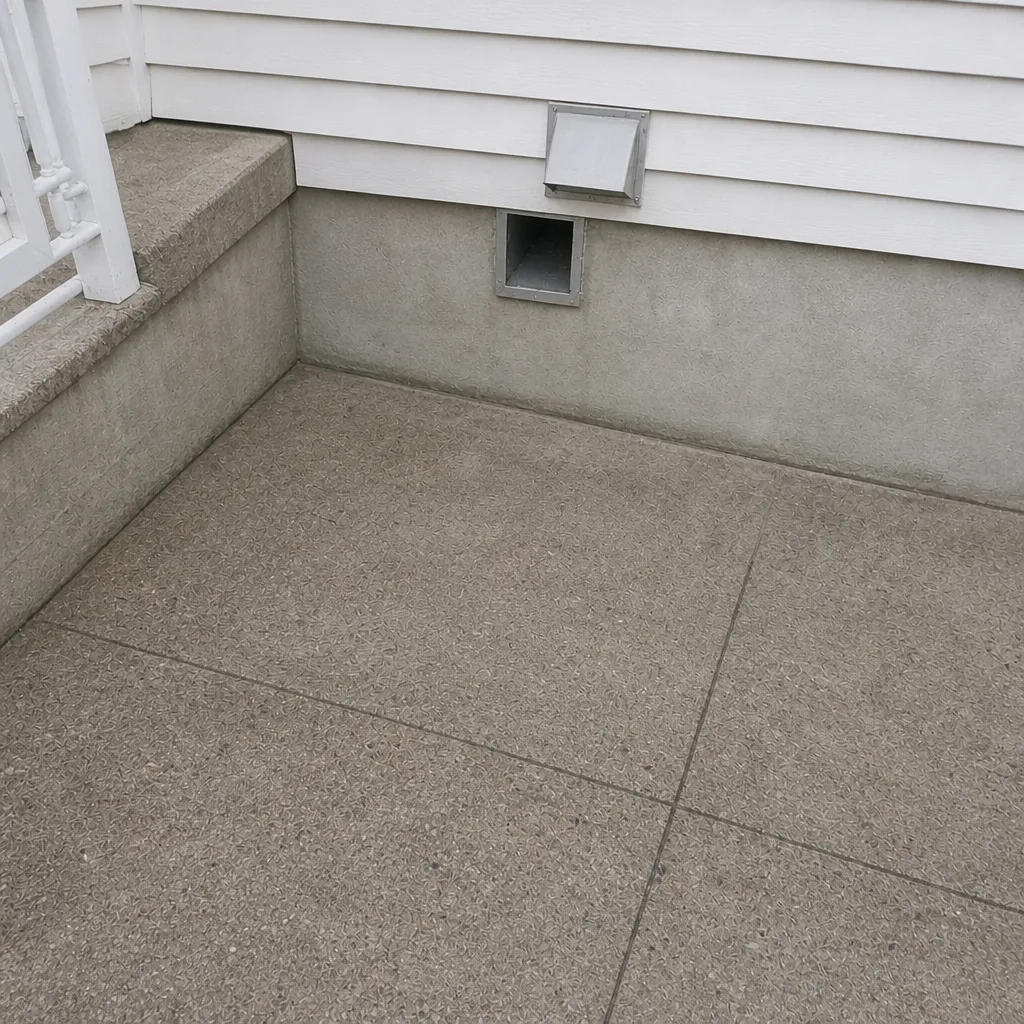 After
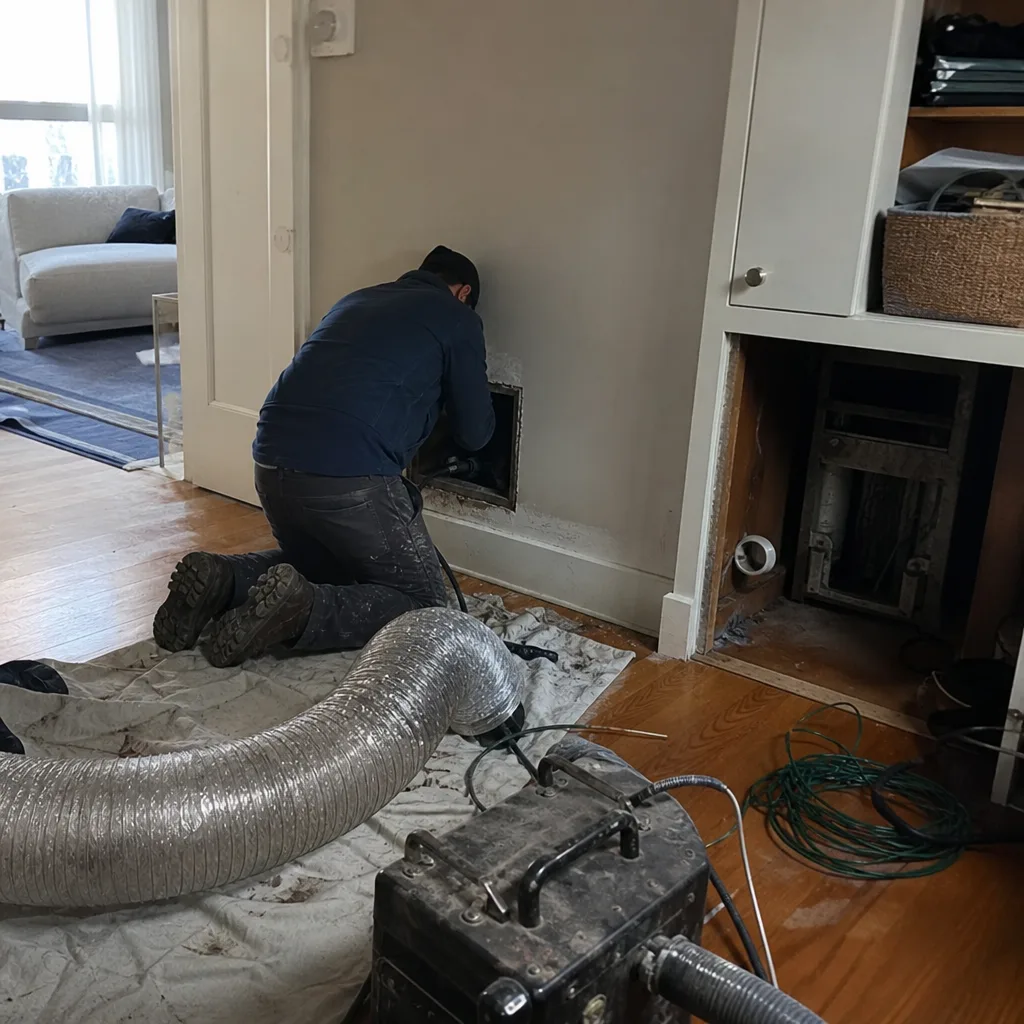 Before
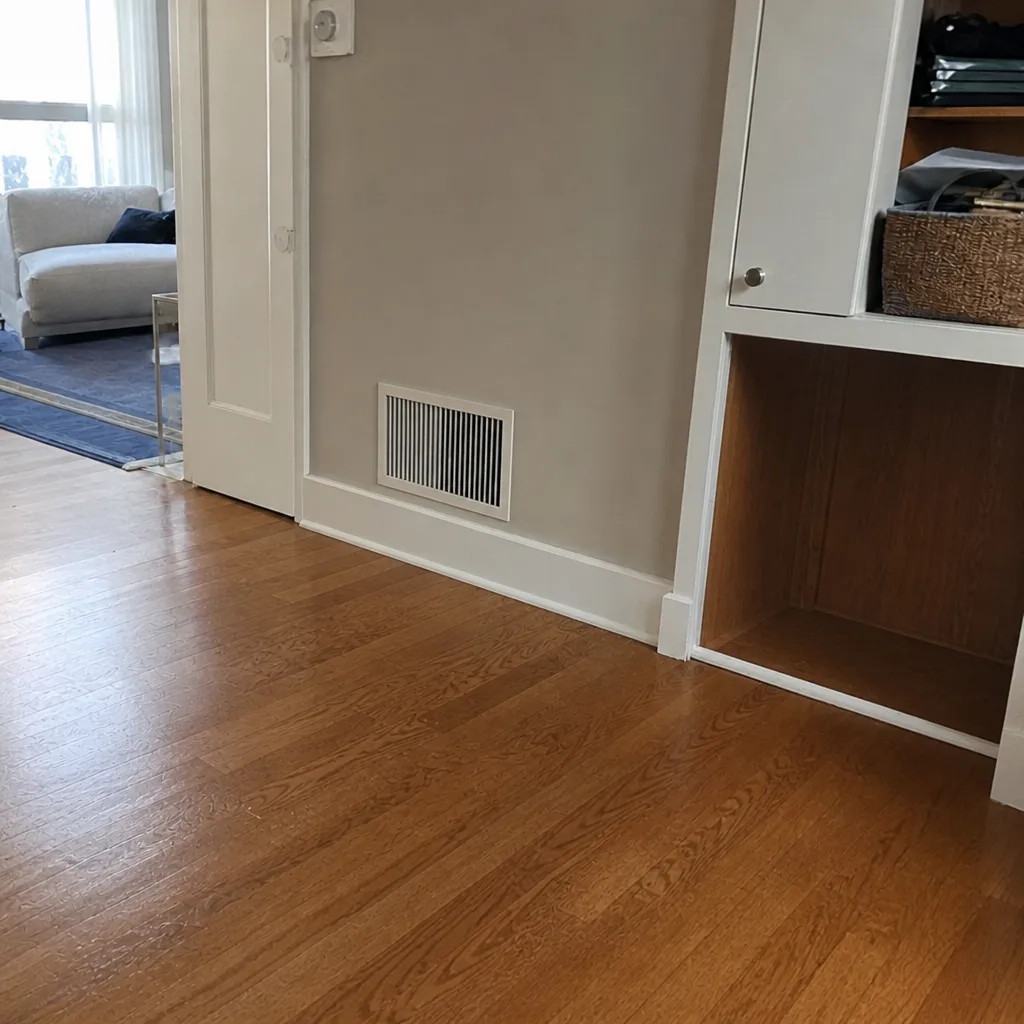 After
When to Call a Professional
Call when you can’t answer the symptom question on your own. Specifically: dust that returns within a few days of cleaning, one or two rooms that won’t heat or cool properly no matter the filter, persistent mustiness that returns each summer, register faces blacker in one room than the others, a burning smell that doesn’t clear within minutes of startup, or a dryer that’s been taking longer and longer to dry a load. Any of those justify a call. A confirmed combination of two or more is almost always worth an inspection.
If you’re unsure, call anyway. We answer 24/7, and a call outside dispatch hours is booked into the next opening, Sunday through Friday, 7am to 7pm. A quick conversation can tell you whether you’re looking at a filter, a duct, or an HVAC equipment problem, before anyone arrives. Duct Cleaning Quincy offers free estimates in Quincy. Call (855) 632-0215 to book one, and have your room-by-room notes ready; they make the visit faster and the findings clearer.
Frequently Asked Questions
Air duct cleaning in Quincy is typically priced by the whole system, not by the register, and the estimate is agreed before work starts. Per-vent pricing is where the industry’s bait-and-switch reputation comes from: low coupon, low per-vent quote, surprise invoice. We price per system so the number doesn’t change once the equipment is in the driveway. Call (855) 632-0215 for a free estimate; the written quote sets the final price.
Per-vent teaser pricing is usually a marketing number, not a real price for a real job. A $49-per-vent quote becomes a much larger invoice once the technician is on site, and the work between the two prices is often just surface vacuuming without mechanical agitation of the debris. We price per system, confirm the price in writing before work starts, and take before-and-after photos of your own ducts so you can see what the difference in price bought you.
Ask for before-and-after photos of your own ductwork and a written summary of what was cleaned and what, if anything, was repaired. Photos with visible duct interior, not a stock photo of a clean vent, are the standard. If the company can’t produce photos of your ducts, ask why. We take both, and the summary comes with the estimate so there’s no ambiguity about what was quoted.
Most homes don’t need cleaning on a fixed schedule. Clean when symptoms justify it, not when a calendar says so. Symptoms: dust returning fast, mustiness, register discoloration, uneven airflow. Homes in Quincy that recently finished a renovation or replaced an HVAC system often need a cleaning sooner than the calendar would suggest. Homes without symptoms usually don’t need one.
Possibly. A single-room or single-floor temperature problem that doesn’t track with the rest of the house usually points to a duct issue: crushed run, disconnected section, or an imbalance in the trunk. It’s rarely the thermostat. A proper inspection with airflow measurement will tell you which. Call (855) 632-0215 to talk through the pattern; if it’s consistent, an inspection is a good next step.
Cleaning removes contamination. Repair fixes damage. A crushed duct, a disconnected joint, or damaged liner is a repair problem, and cleaning it doesn’t solve it. We do both, so the inspection result determines which you need rather than which we sold. Both can happen on the same visit, and it’s the same diagnostic equipment either way. For a full air duct cleaning overview in your specific layout, we’re happy to walk through it when you call.
The Bottom Line
Read the symptoms correctly and the right call is obvious. Gray rings and black streaks on registers, dust that returns within days, uneven airflow in one or two specific rooms, and musty or chemical odors when the system runs all point to the duct system, not the filter and not the equipment. Those signs mean inspection, and the inspection determines whether you’re looking at cleaning, repair, or both. The trick is that the same symptoms can also come from a cheap filter or a failing blower, so signing a cleaning quote without a diagnosis is how homeowners end up paying twice. Start with the room-by-room notes, test the registers, and get a real inspection from a company that can also fix what it finds. Duct Cleaning Quincy can do both.
Written by the team at Duct Cleaning Quincy.