
Last updated November 15, 2026
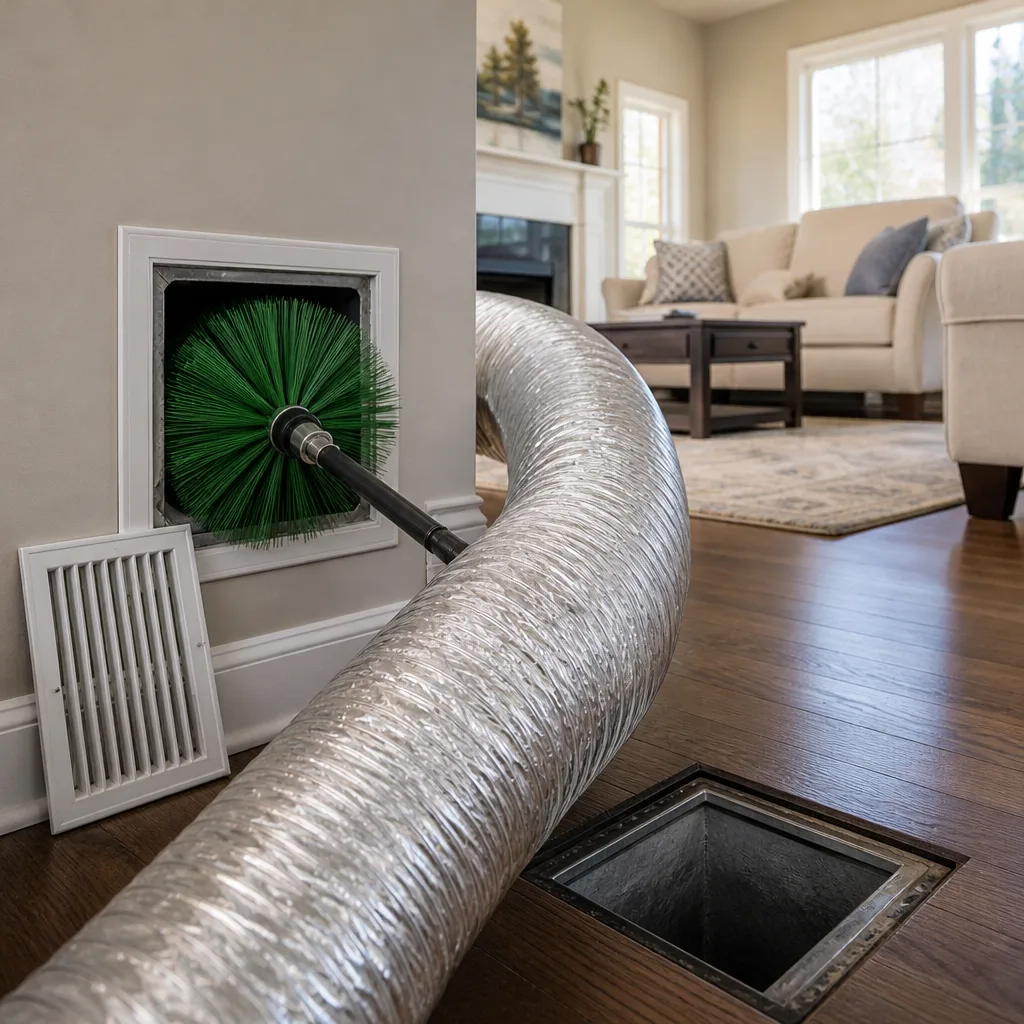 Whole-home duct cleaning
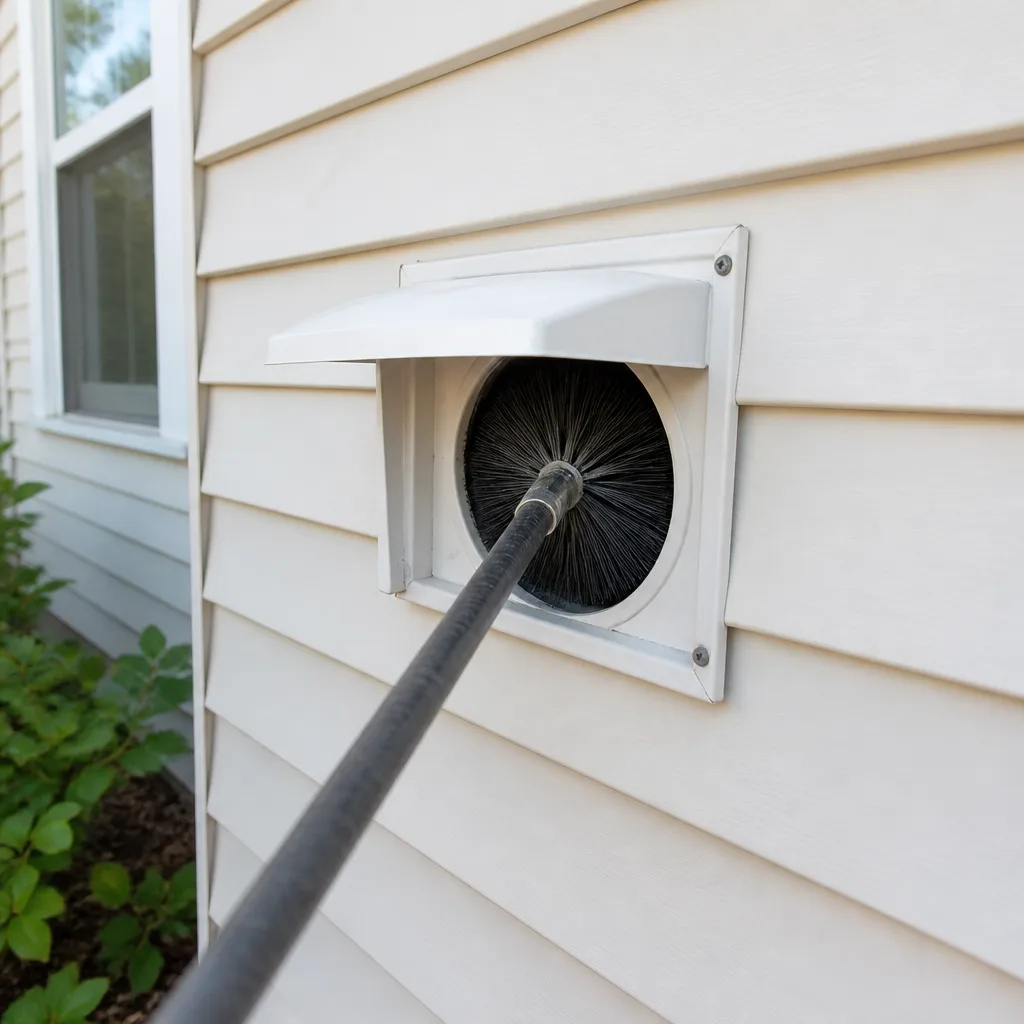 Dryer vent cleaning
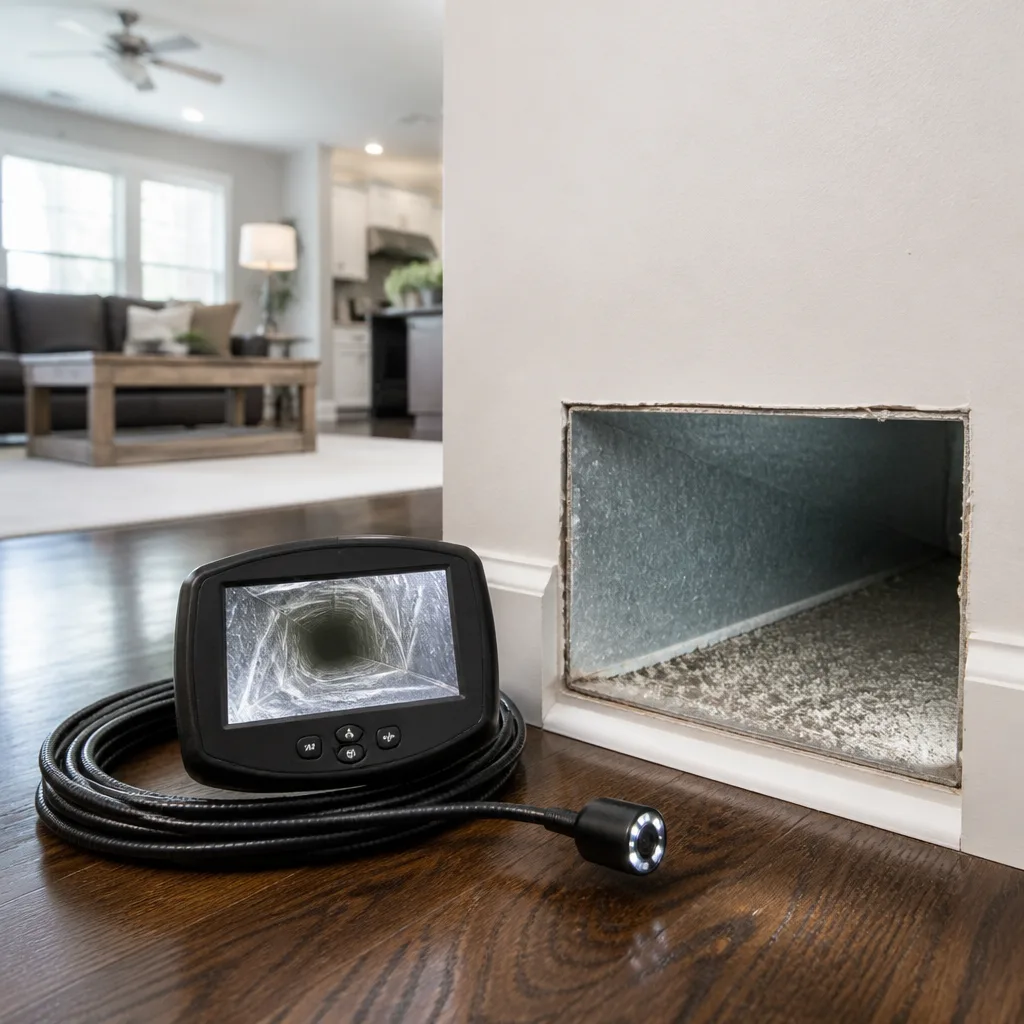 Camera inspection
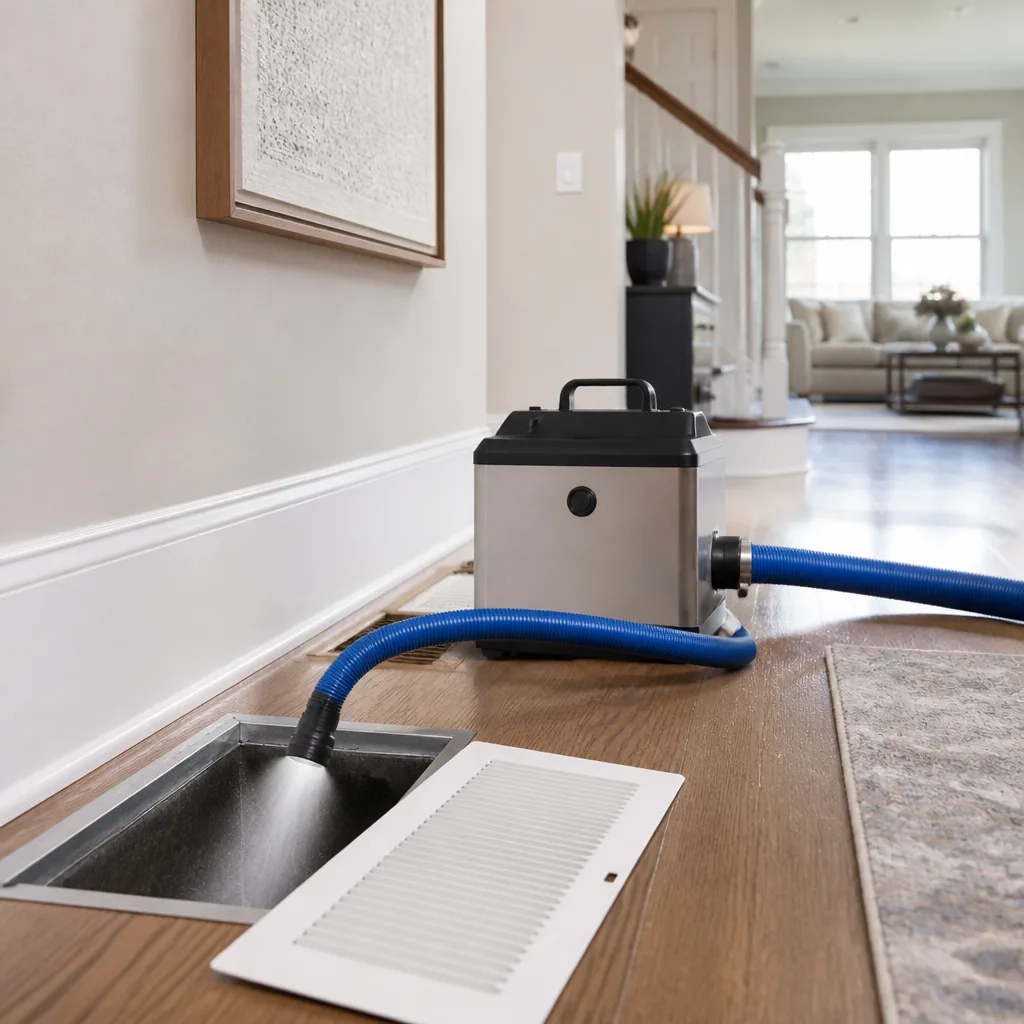 Sanitizing & deodorizing
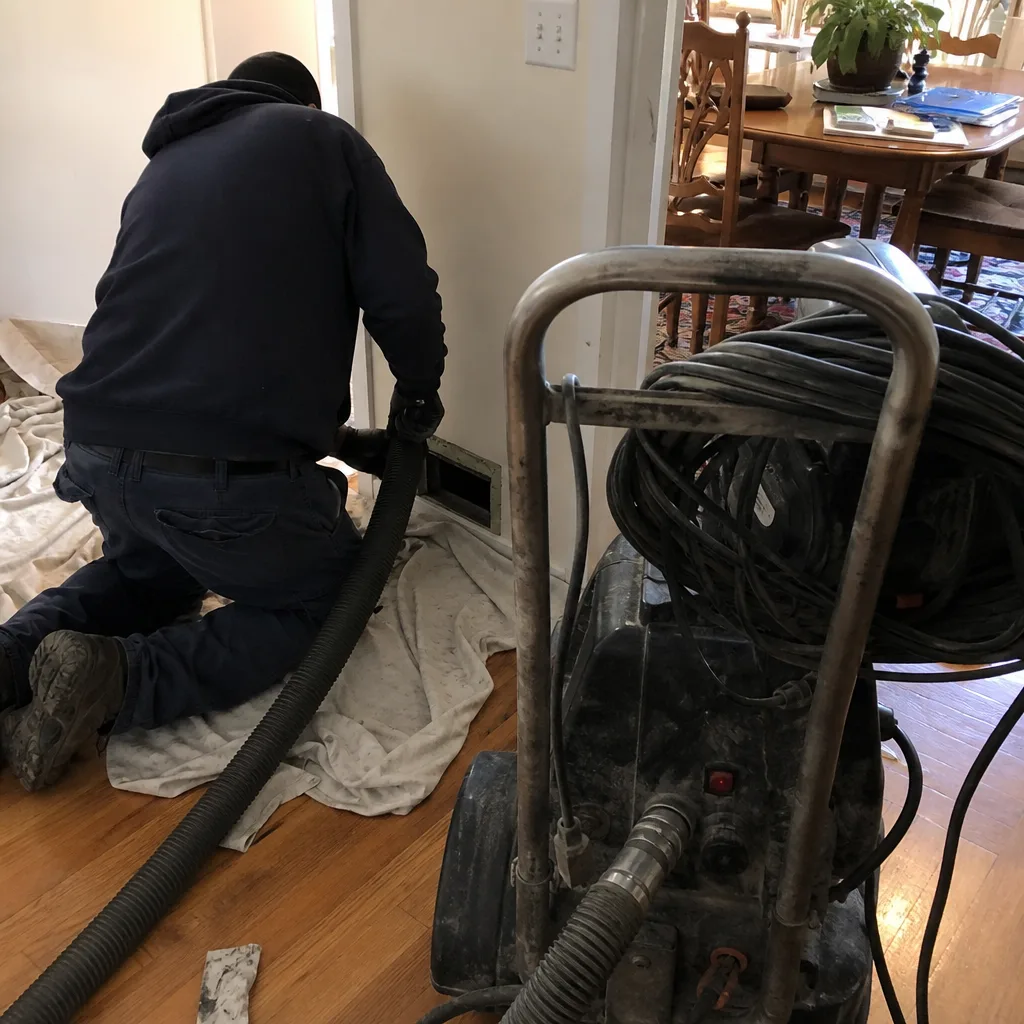
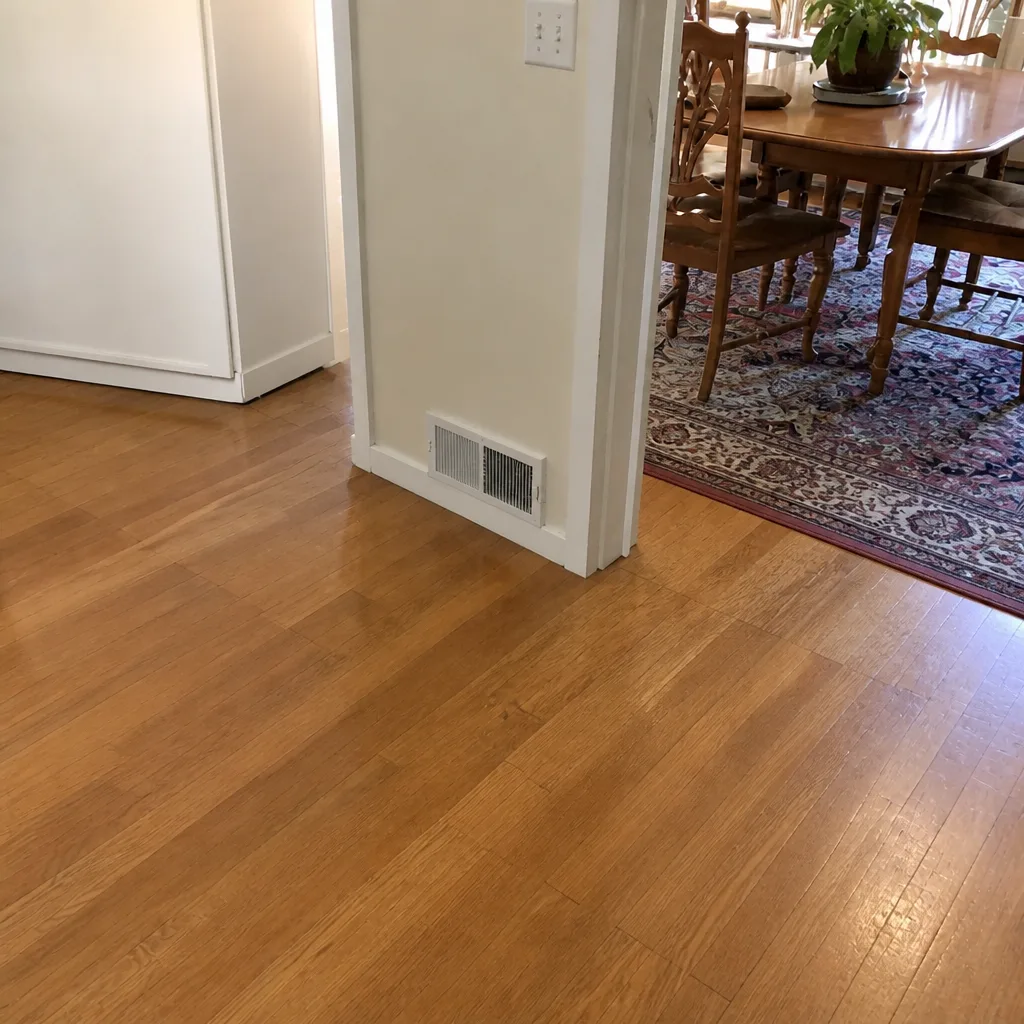
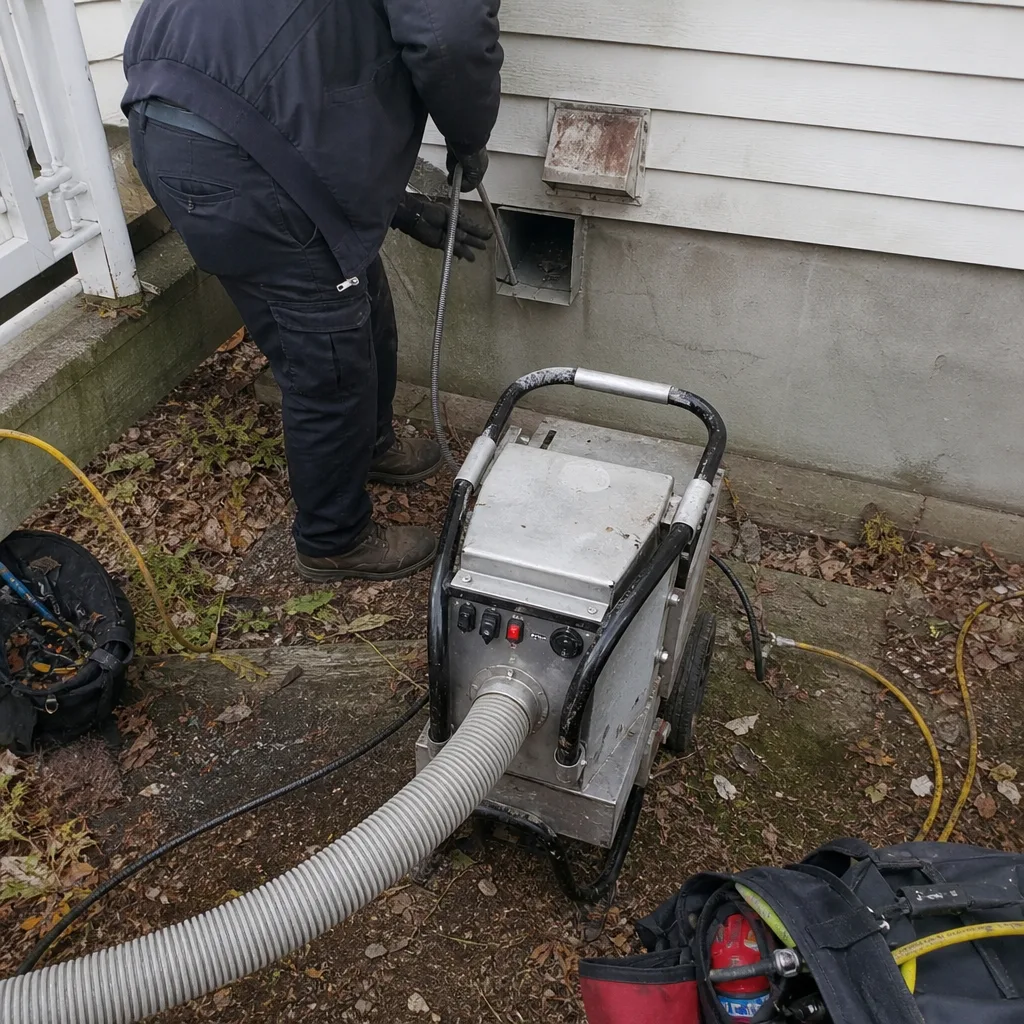
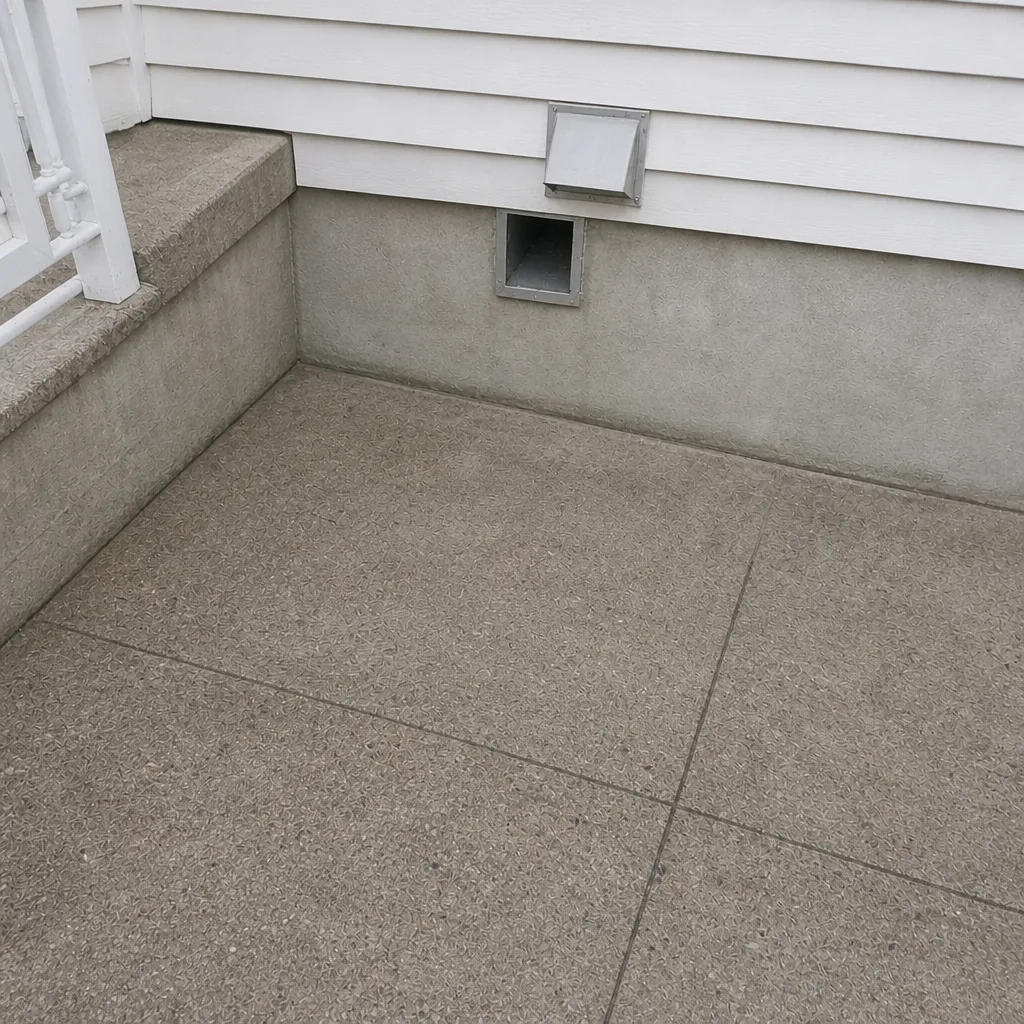
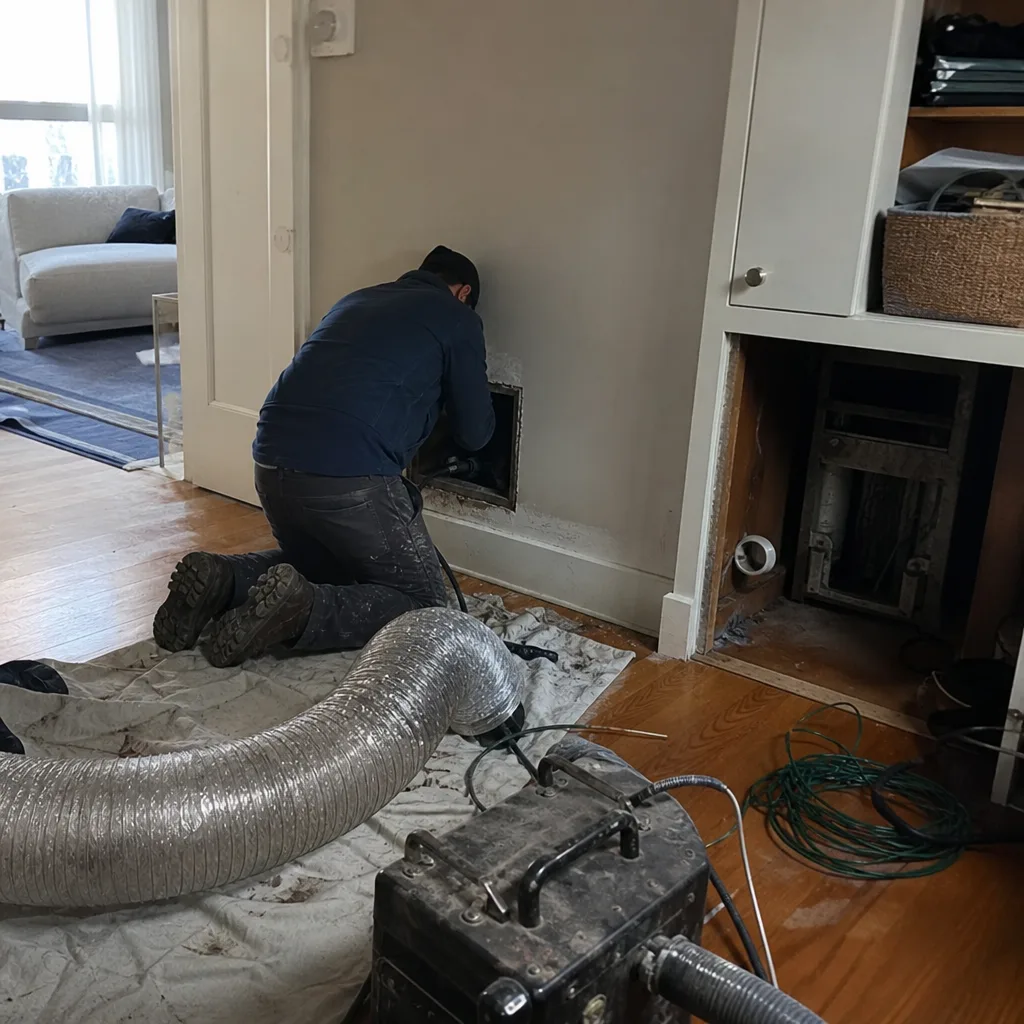
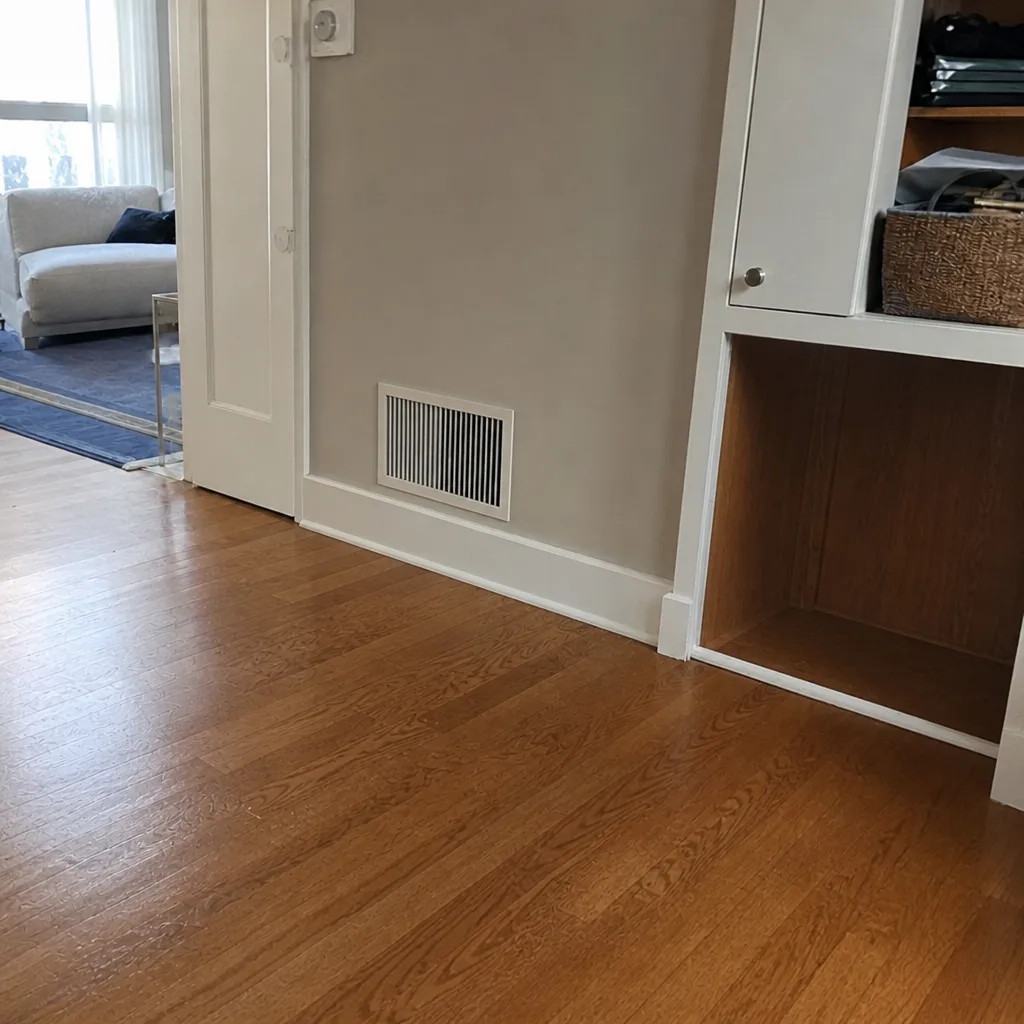
Whole-system duct and dryer vent check with before-and-after photos - you see exactly what came out of your vents
That "$99 whole-house special" is a bait ad - the real number appears once they are in your hallway, or the "clean" is a shop-vac at the register. We photograph the inside of your ducts before and after instead.
Seasonal Air Duct Cleaning Care for Quincy: Year-Round Homeowner’s Guide
The worst time to discover your ducts are contaminated is the first cold day in October, when you turn the heat on and every room in the house smells like it’s burning. Here’s the part most homeowners miss: the conditions that caused that problem built up all summer. And what makes Quincy different from a lot of towns is the swing itself. Warm, humid summers give way to long stretches of cold, dry air, and your system runs harder through both ends of that curve than it does in the mild weeks between. A single annual cleaning ignores all of that. This guide maps what to watch for in each season, so you can decide when to act instead of defaulting to a calendar date someone else picked.
Styles & brands we work with
- Whole-home duct cleaning
- Dryer vent cleaning
- Camera inspection
- Sanitizing & deodorizing
Quick Answer
Duct cleaning in Quincy doesn’t follow one universal schedule, because your ducts don’t live through one single season. Heat runs for months, then cooling runs for months, and each stretch deposits different material in the ductwork at a different rate. The practical approach is usage-based: inspect after heavy heating season, watch for condensation risk during the humid months, verify airflow before the heat comes back on, and clear the system when you see real symptoms rather than when the calendar flips. If you’re only going to clean once, do it in the fall, before the heating season starts.
Table of Contents
- Why Seasons Matter More Than a Fixed Cleaning Date in Quincy
- Spring: What to Inspect After Heating Season Ends
- Summer: Humidity, Condensation, and Mold Potential
- Fall: The Pre-Heating-Season Checklist
- Winter: Reading Reduced Airflow Correctly
- How System Runtime Patterns Change Your Cleaning Interval
- The Quincy Seasonal Watch List at a Glance
- Common Mistakes to Avoid
- When to Call a Professional
- Frequently Asked Questions
- The Bottom Line
Why Seasons Matter More Than a Fixed Cleaning Date in Quincy
Most duct cleaning advice you’ll read says “every three to five years.” That number isn’t wrong so much as it’s blind. It assumes every home in every climate runs the same system the same way, which isn’t true. In Quincy, the heating season is long and the cooling season is meaningful, and that means the system spends most of the year actively moving air through the same ductwork. Every hour a fan runs, it moves particulate-laden air past every joint, seam, register boot, and filter slot in the system. The more hours the system runs, the more material that air deposits.
The second reason seasons matter here is the physical behavior of air in ductwork. Air that’s warmed or cooled to be delivered into a room picks up moisture differently in summer than in winter. A supply duct running through an unconditioned space behaves differently in August than it does in January. And that behavior, over a calendar year, decides where dust lands, where condensation forms, and which parts of your system carry the most risk in any given season.
Usage-based thinking replaces calendar-based thinking. Instead of “when was the last cleaning,” the better question is “how much has the system run, and what kind of air has it been moving?” A house where someone runs a box fan constantly, keeps pets, and has family members with allergies accumulates material at a different rate than a similar home a mile away. Both are Quincy homes. They don’t need the same schedule.
Where the seasons themselves come from is the same geography that shapes the rest of life here: the city sits on the water at the edge of a dense urban core, so summers are warm and humid and winters are cold with long stretches of dry air indoors once the heat is running. That’s the whole reason this is written as a seasonal guide rather than a single-interval schedule.
Spring: What to Inspect After Heating Season Ends
When the furnace stops running for the year, you have a window of a few mild weeks where the ductwork is quiet. That’s the best time to inspect, because nothing is blowing dust around to obscure what’s actually accumulated. It’s also the ideal moment to deal with whatever heating season left behind.
The most common thing a spring inspection finds is residue from months of combustion byproduct exposure in the supply side near the furnace. If the heat exchanger or flue setup has any small path for gas residue, or if a filter has been bypassing at its edges rather than sealing tightly, that material ends up in the ductwork directly downstream of the unit. The question of “is this actually residue or just dust” is worth taking seriously. A proper visual inspection looks inside the plenum, at the filter slot, and at the first few supply runs, because that’s where the heaviest deposits concentrate.
Combustion byproducts and the gas side of the system, honestly, deserve special caution. If you smell anything that reads as exhaust or gas, or find blackened residue near the furnace, get a qualified HVAC professional out before you turn anything back on. Duct cleaning does not diagnose a combustion problem, and nobody should be running a system with an unknown exhaust issue. We’ll always flag that concern when a customer calls about a “strange smell from the registers” in spring.
Spring inspection checklist
- Pull a filter and look at its edges. A filter with dust bypassing around the perimeter instead of loading on the face means the filter slot isn’t sealing properly, and that unsealed air is going straight into the ductwork.
- Look inside the supply plenum downstream of the furnace, using a flashlight through any accessible opening. A heavy uniform gray or black coating is different from light, scattered dust.
- Check return registers and their surrounding wall or floor surfaces for the dark halo pattern that comes from air moving past a loose boot.
- Inspect any duct run that passes through an unconditioned space (attic, crawlspace, garage). Look for sagging flex duct, disconnected joints, loose straps, and visible condensation stains.
- Note anything that smells, anything that looks wet, and anything that looks black. Those three get priority treatment in summer.
Spring is also the right time to take care of duct repair before the humid season, because a disconnected or badly sealed run in the attic that gets high humidity in July becomes a mold-risk problem by August. Most companies clean ducts. We can also repair them, and we’d rather find those leaks in April than after they’ve spent the summer growing something.
Summer: Humidity, Condensation, and Mold Potential
Summer is the season most Quincy homeowners don’t think about, and it’s the season that matters most for what happens inside the ductwork. When you run the air conditioner, the air leaving the cooling coil is cold and the air surrounding it, especially in a basement or attic, is warm and humid. Cold duct metal meets warm humid air. Where that metal is poorly insulated, the moisture in the air condenses on it.
That phenomenon is called condensation risk, and it’s exactly the mechanism that turns dust and organic material sitting in the duct into a microbial concern. Dust sitting in a dry duct is manageable. Dust that holds moisture for weeks in a warm environment is not the same problem. Poorly insulated supply runs, attic-mounted flex duct with sagging sections, and runs that pass through humid crawlspaces are the places to look. A duct that’s physically intact but has torn or thin insulation can create localized condensation that ruins the duct over an entire air-conditioning season.
The right summer inspection doesn’t require any complicated test. It requires looking at the exterior of the duct from every perspective you can access, paying attention to the insulation wrap around it, and identifying:
- Condensation lines or water staining on the duct exterior or on the surface beneath it
- Sagging runs that trap moisture rather than shedding it
- Torn or compressed insulation on any duct passing through an unconditioned space
- Filter-loaded cooling coils that make the system work harder and run wetter
- Return air chases that pull humid air from a basement or crawlspace back into the system
If a duct has already been wet through a summer or two, the cleaning job has to be handled differently than a routine maintenance call. That’s where an Abatement Technologies negative-air setup earns its keep, because it keeps dust and potentially contaminated material contained as it’s dislodged rather than letting the vacuum recirculate it into living space. If you’re seeing staining or smell near a register in July, the work isn’t just about cleaning; it’s about resolving whatever created the moisture first.
Fall: The Pre-Heating-Season Checklist
Fall is the highest-value time of year to clean a duct system, if you’re only going to do it once. The reason is simple. The heating season that starts in October means every register in the house will start delivering warm, dry, moving air every day for months. Any contamination sitting in the ductwork gets pushed through your living space continuously for the entire heating season. Cleaning before that starts means the system starts the season clean rather than distributing what accumulated over the year.
Fall is also when airflow verification is worth the effort, because a system that’s going to be running hard for six months should be verified to actually deliver the air the house needs before you rely on it. That verification is separate from cleaning, and here’s the sequence we recommend for a fall service:
- Replace the filter, then verify it’s seated properly. A filter with airflow bypassing around the edges isn’t filtering, period.
- Test airflow at every register. Hand-feel at each register during a heating cycle, confirming all registers deliver a comparable, steady airflow. A register blowing noticeably weaker than its neighbors points to a duct-run problem, not a system problem.
- Walk the visible duct runs. Look for disconnected joints, torn flex, loose register boots, and any run that runs through a cold space without insulation.
- Note the smell when the heat first comes on. A brief singed smell on the very first heat cycle is normal because dust settled on the heat exchanger burns off. A smell that persists across multiple cycles is a duct problem, and if the smell is exhaust-like, stop and call an HVAC technician before running the system further.
- Schedule the cleaning before the season starts. Cleaning after the season has already pushed dry hot air through contaminated ductwork defeats the point of the whole exercise.
Fall cleaning in Quincy also tends to align with the transition in system usage, which makes it an easier service to plan. If your system has been running for something like 20 hours a week through the summer for cooling and will be running closer to 40 through the winter for heat, the fall transition is when the seasonal load changes, and it’s the natural pause to address the accumulation from the previous cycle. When you schedule air duct cleaning in the fall, you’re timing the work with the changeover rather than fighting it.
Winter: Reading Reduced Airflow Correctly
Winter is when calls about “weak heat” and “cold rooms” spike, and most of those calls are misdiagnosed by the homeowner before they ever pick up the phone. A room that’s colder than the rest of the house in January isn’t automatically a duct cleaning problem. In our experience, the symptom points to one of a handful of causes, and only some of them are duct-related.
The first thing to understand is that in extreme cold, ducts running through unconditioned spaces lose a lot of heat even when perfectly insulated, and even more when the insulation is compromised. Winter also tends to coincide with heavier filter loading, because the system is running many more hours per day and circulating more air through the filter. So a filter that lasted three months in summer might last half that in winter. That accelerated filter loading is a normal seasonal pattern, not a sign anything is wrong.
Where winter gets genuinely confusing is that a room that’s cold for one of these benign reasons and a room that’s cold because a duct has separated behind a wall both present as “cold room.” To tell the difference, use these checks:
- All rooms affected vs. one room. A winter-wide weak airflow across every register points to a central problem (filter, blower, or blocked main trunk). One cold room points to a branch-run issue.
- Any register with dramatic airflow vs. neighbors. A single weak register with otherwise normal ones suggests that specific run, not a system problem.
- The filter’s load after two weeks. If a fresh filter is visibly loaded after two weeks of heavy winter heating, the filter may be undersized for the load or the system may be cycling the wrong air volume.
- System noise. A system whose running noise changed this season suggests a component or airflow problem. Duct cleaning doesn’t create that noise, and it won’t fix it either.
- Pressure differences at doors. If doors snap closed or feel pressure when the system runs, you likely have a return-air problem rather than a supply duct cleaning issue.
Winter is also when duct contraction becomes noticeable. Metal duct expands and contracts with temperature, and a system that ran through summer is now running with duct surfaces at a very different thermal profile. Small gaps that were essentially sealed could open enough to create a whistle or a draft through a register in a cold room. If you’re hearing a whistle, that’s a signal to look for a leak, and it’s a very good reason to have Duct Cleaning Quincy look at the system as a whole, since cleaning without repairing the leak just moves the problem.
How System Runtime Patterns Change Your Cleaning Interval
System runtime is the single most useful variable for deciding when a duct system actually needs cleaning, but it’s almost never discussed by the industry. Every calculation that assumes “every three to five years” implicitly assumes a fixed runtime, and in Quincy, runtime varies enormously by home. The house where the thermostat is set to 70 and never touched and the house where someone is constantly adjusting it accumulate material at very different rates.
The principle is straightforward. Contaminant deposition in ductwork scales with the total volume of air moved through it, and air volume scales with system runtime. An hour of fan-on time moves roughly the same amount of air regardless of whether the system is heating or cooling, but the duct is depositing more material per hour in the heating season than in a mild spring week, because a dry, warm airstream picks up fine dust more readily from metal surfaces than a cooler, more humid one. That means the heaviest load on your ductwork happens in the same months your system runs the most.
What this means practically is that your cleaning interval should be measured in something like run-hours, not calendar years. A reasonable approximation you can do without any special equipment:
- Note how many hours per day your system runs in a typical week of each season, on average.
- Add them up across the year. The heating season’s long runtimes and the cooling season’s shorter one give you a total.
- Compare that total to a rough threshold where accumulated deposition becomes visible: for most homes, if the total annual run-hours are high and the filter has been loading fast, the system is a candidate for a shorter interval.
- If your home has pets, recent renovation dust, or family members with allergy or asthma concerns, shorten the interval regardless.
A related factor is that the system’s actual runtime is higher in Quincy than in a mild climate because both heating and cooling loads are significant. That’s one of the reasons we advise homeowners here not to use a generic three-to-five-year number without question. If you want the interval set by real information rather than a guessing game, our technicians have up to 14 years of experience reading exactly this kind of usage pattern, and we’ll walk you through what we see.
The Quincy Seasonal Watch List at a Glance
Here’s a compact reference for what each season typically brings into the ductwork and what you should check for. Treat it as a decision aid, not a rigid schedule; where your home deviates from the pattern, the deviation is usually the more important information.
| Season | What’s happening in the system | Primary watch-items | Best action |
|---|---|---|---|
| Spring | Heating ends; system sits quiet | Filter bypass, heat-exchanger-adjacent residue, disconnected runs | Inspect, repair any duct damage, clean if residue is visible |
| Summer | Cooling runs; humid air enters | Condensation on poorly insulated duct, wet insulation, cold-coil loading | Check duct insulation and any staining; resolve moisture before depositing more |
| Fall | Heating begins; heavy seasonal load starts | Airflow at every register, filter seating, first-heat smell | Highest-value cleaning window if cleaning once per year |
| Winter | Peak heating runtime; dry air | Filter loading speed, cold-room causes, duct contraction gaps | Distinguish real blockage from filter loading and seasonal airflow patterns |
The pattern that makes seasonal thinking work in a Quincy home is that each season’s conditions leave a fingerprint on the ductwork, and the fingerprint guides what to do. A wet December duct looks different from a dry March duct, and a home that runs its system hard in every season needs a shorter interval than the calendar approach would suggest.
Common Mistakes to Avoid
- Assuming an annual cleaning is automatically enough. An annual cleaning is a reasonable starting point, but if your system runs high hours year-round and your filter loads fast, annual may not be enough. If your system only runs for a few weeks in summer and uses a high-efficiency filter, annual may be more than you need.
- Cleaning before fixing a leak. Cleaning a duct run that leaks, whistles, or is disconnected in a wall is putting clean work into a system that will re-contaminate immediately. Repair the run first, then clean.
- Ignoring the filter slot. A filter that bypasses at the edges is one of the most common reasons dust enters the ducts. Most people focus on the filter material and not on the seal around it.
- Treating a spring musty smell as routine. Musty smells from registers in spring and early summer point toward moisture, not just dust. Identifying the moisture source comes before cleaning.
- Lighting a fire under the furnace to “test” it. We can’t believe this needs saying, but it comes up: never do anything to the furnace combustion path yourself. Get a qualified HVAC technician for anything involving the heat exchanger, flue, or gas line.
- Cleaning during a renovation. If you’re about to have drywall work done, wait until after the work is finished and the air has had time to settle. Cleaning mid-renovation wastes the effort.
- Assuming a cheaper quote is a better deal. A quote for a whole system at a below-market rate almost always corresponds to a surface-level job with consumer-grade equipment. You typically get what the equipment can actually reach.
When to Call a Professional
Most homeowners don’t need a technician for a decision they can make themselves: if the filter is new, the registers are all blowing, and nothing smells, spring cleaning can wait. The situations where a call is worth it are specific. You see staining or smell at the registers and can’t identify the source. You have a room that’s been cold in winter and cold in summer through the same run, which suggests the duct itself. You’re about to renovate, or just finished, and you want to know whether the dust load is a concern before you turn the system back on. Or you’ve just had a new HVAC system installed and you want to know whether the existing ductwork supports it.
Residential services in Quincy include free estimates. We work with Rotobrush rotary brush systems and Nikro HEPA-rated vacuums because agitation and capture work together: the brush loosens material that a simple air whip would miss, and the HEPA-rated capture keeps it from recirculating. For heavier jobs with visible contamination, we use Abatement Technologies negative-air equipment to contain material through the process. Our technicians have up to 14 years of experience with these systems, and the estimate covers the full scope before any work begins. Call (855) 632-0215. We answer 24/7. Fast dispatch from 7am to 7pm, Sunday through Friday.
We also want to be clear about what we don’t do: we don’t do furnace repair, and we don’t diagnose combustion problems. If a register smells like exhaust or the system is making a noise it didn’t make last year, that’s an HVAC technician’s call, and we’ll tell you to make that call first. Duct cleaning is one part of a system’s health, and a seasonal assessment is only useful if the right specialist is doing each piece.
Frequently Asked Questions
Most Quincy homes do well with cleaning once every three to five years, but that’s a starting point rather than a fixed rule. If your system runs high hours year-round, if you have pets, if you’ve recently renovated, or if anyone in the home has allergies or asthma, a shorter interval makes more sense. The most reliable approach is to track how fast your filter loads and what the visible ductwork looks like at the spring inspection. Call (855) 632-0215 for an exact quote – estimates are free.
Yes, for most homes, fall is the best single-season window because cleaning before the heating system begins means the dry, warm air starts from a clean ductwork rather than distributing a year’s accumulation. That’s especially true in a Quincy home where the heating season runs long and heavy. If you can only clean once per year, late September or October is the time. Call (855) 632-0215 to book before the season starts.
A brief singed or dusty smell on the first heat cycle of the year is normal, because dust that settled on the heat exchanger burns off. A smell that persists across multiple heating cycles, or smells like exhaust or gas, is not normal and needs an HVAC technician before you keep running the system. If you’re unsure which category you’re in, that’s a good reason to have a professional take a look. Call (855) 632-0215 for a free estimate on the duct side.
One cold room with neighbors blowing normally points to a run problem; a whole house with weak airflow points to a central system issue like the filter, blower, or main trunk. You can test the difference by comparing hand-feel at every register during a heating cycle. If one register is dramatically weaker than its neighbors, the run serving that room is the likely culprit. Call (855) 632-0215 and we’ll help you sort out whether duct cleaning or duct repair is the right call.
High summer humidity doesn’t cause mold in a dry, well-sealed duct, but it can push a marginal duct into a mold-risk situation. A poorly insulated supply run in a warm humid space can develop condensation on its exterior, and if the duct interior is already holding dust and organic material, that moisture creates the conditions for microbial growth. That’s why summer inspection is worth taking seriously. Call (855) 632-0215 for an estimate on the duct side.
After a substantial renovation, yes, because drywall dust, sawdust, and construction particles are much finer than ordinary household dust and they settle into every branch run in the system. They don’t always show at the registers, which is why a register-only visual check isn’t reliable after construction. Cleaning once the renovation is finished and the air has settled is a reasonable call. Call (855) 632-0215 for a free estimate.
The Bottom Line
A calendar date tells you what month it is. It doesn’t tell you anything about the actual conditions inside your ductwork. In Quincy, that gap matters more than in many places, because the seasonal swing is wide enough that spring, summer, fall, and winter each bring a genuinely different set of duct conditions into the home. The practical approach is to use the calendar only as a reminder to look at the system, and to use what you see and smell as the actual decision-making input. Fall cleaning covers most homeowners. Some homes need less. Some need more. And any home with a wet duct, a disconnected run, or a persistent smell needs a professional look before anything else happens. Our technicians have up to 14 years of experience across these seasonal patterns, and we’re happy to look at your system and tell you what you actually need.
Duct Cleaning Quincy works on residential systems across our service area, including Boston-area neighborhoods and other nearby communities alongside our Quincy work. Whether you’re dealing with a heating-season smell, a summer condensation concern, or a room that’s been cold through every season, the first step is a real look at the system rather than a guess from the thermostat. Call (855) 632-0215. We answer 24/7. Fast dispatch from 7am to 7pm, Sunday through Friday.
Written by the team at Duct Cleaning Quincy.
See the difference
 Before
 After
 Before
 After
 Before
 After