
Last updated November 15, 2026
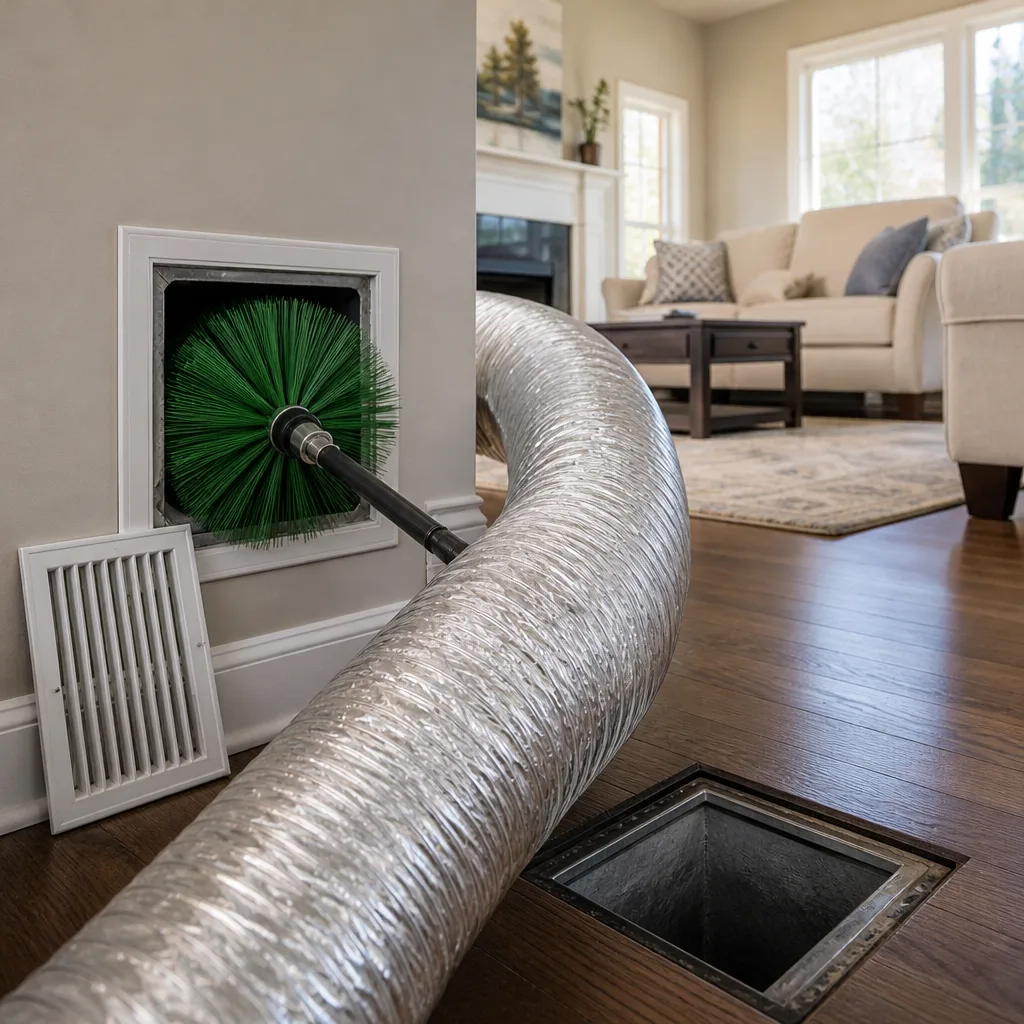 Whole-home duct cleaning
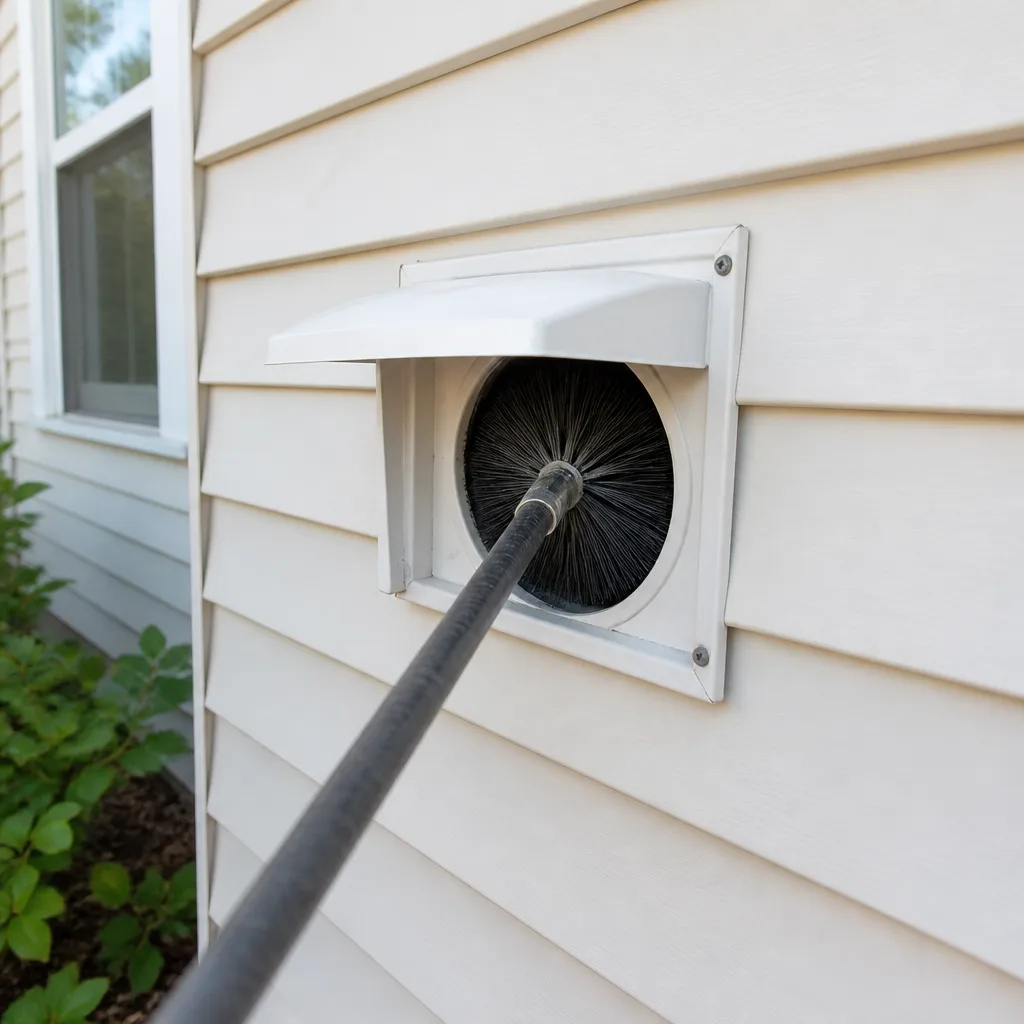 Dryer vent cleaning
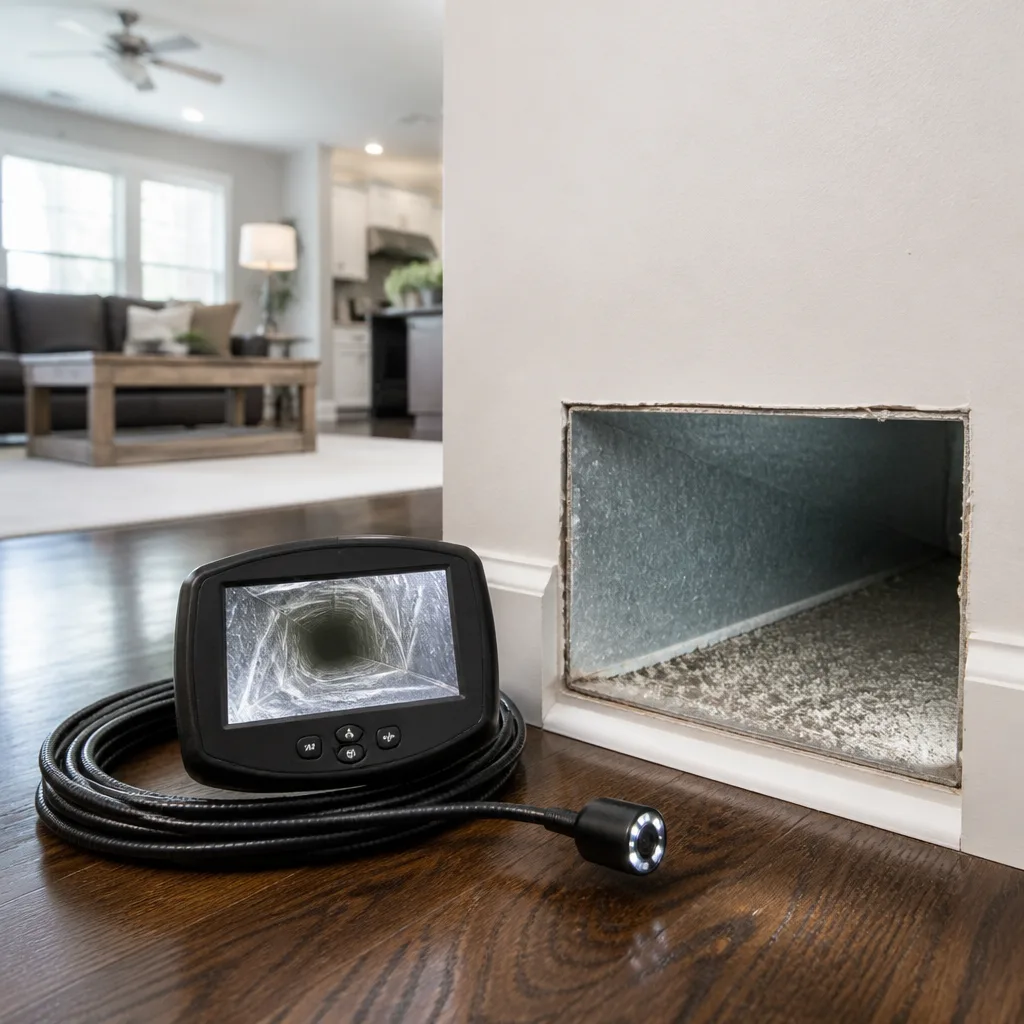 Camera inspection
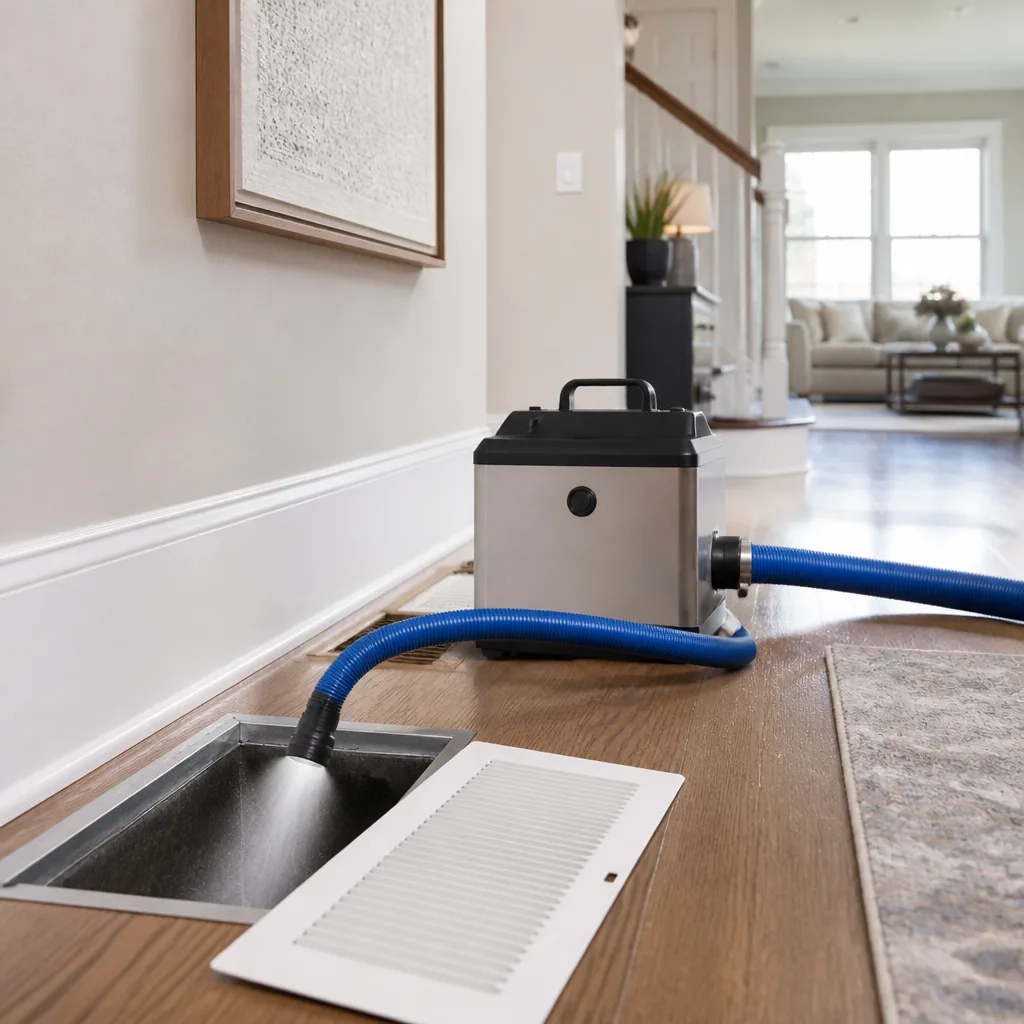 Sanitizing & deodorizing
Whole-system duct and dryer vent check with before-and-after photos - you see exactly what came out of your vents
That "$99 whole-house special" is a bait ad - the real number appears once they are in your hallway, or the "clean" is a shop-vac at the register. We photograph the inside of your ducts before and after instead.
How to Hire an Air Duct Cleaning Contractor in Quincy: A Step-by-Step Guide
NADCA membership is the floor, not the ceiling. There are certified companies that still show up with inadequate equipment and skip the inspection step entirely, because certification tells you someone passed a test. It doesn’t tell you what shows up in the driveway. That gap is where most Quincy homeowners get burned, and it’s why this guide exists: not to make you suspicious of every vendor, but to give you a fair, specific set of questions that lets a professional contractor prove themselves and lets a pretender expose themselves. We’ll cover the five equipment questions to ask before booking, how to read a quote for the structures that reward speed over thoroughness, what a real written scope of work includes, and why the contractor who asks you the most questions before quoting is usually the one worth hiring.
Quick Answer
To hire an air duct cleaning contractor in Quincy, verify three things before you book: the vacuum system and its CFM rating (a truck-mounted or HEPA unit, not a shop vac), the agitation tools used (a rotary brush system beats air-only whips), and whether the company carries insurance specific to HVAC and duct work. Then insist on a written scope of work that names what’s cleaned, how containment is handled, and whether you’ll receive before-and-after photos. A contractor who asks about your system age, renovation history, pets, and prior cleaning before quoting is doing it right.
Styles & brands we work with
- Whole-home duct cleaning
- Dryer vent cleaning
- Camera inspection
- Sanitizing & deodorizing
Table of Contents
- The Five Equipment Questions to Ask Before You Book
- Red Flags in a Quote: Per-Vent Pricing and Vague Language
- How to Verify Insurance Is Specific to HVAC and Duct Work
- Why the Best Contractors Ask You Questions First
- What a Written Scope of Work Should Include
- The Inspection Step and Camera Capability
- Cleaning vs. Repair: Asking the Right Question
- Hiring a Contractor in Quincy: Local Considerations
The Five Equipment Questions to Ask Before You Book
Equipment is where the gap between a real duct cleaning and a cosmetic one is widest, and it’s the easiest thing to ask about. A professional contractor will answer these without hesitation. If a company gets vague or defensive, that’s your answer.
- What vacuum system do you use, and what’s its CFM rating? CFM (cubic feet per minute) measures how much air the vacuum moves. A consumer shop vac can’t generate the negative pressure needed to pull debris out of a duct run. Professional operations use truck-mounted units or HEPA-rated portable systems. Ask for the brand and model.
- What agitation tools do you use? Agitation is what breaks debris loose from duct walls. Air-only methods (air whips or skipper balls) can stir up dust without fully removing it. A rotary brush system mechanically scrubs the duct interior, which is the more thorough approach.
- Do you have camera capability? A borescope or inspection camera lets the technician see inside the ductwork before and after cleaning. It’s how leaks, disconnected sections, and buildup get found.
- What containment method do you use? Negative-air equipment keeps dislodged particulates from migrating into your living space during the job. Ask how they prevent dust from escaping.
- What happens to the debris you remove? It should be captured, not recirculated. HEPA-rated equipment and negative-air machines are the answer you want to hear.
We use the same equipment HVAC remediation crews rely on: Rotobrush rotary brush systems for mechanical agitation, Nikro HEPA vacuums to capture what gets dislodged, and Abatement Technologies negative-air machines for containment during the job. Rotobrush and Nikro equipment agitates and captures, so debris comes out rather than back into your air. Those brand names are worth asking about because they’re the tools other professionals already trust.
Red Flags in a Quote: Per-Vent Pricing and Vague Language
A flat price per vent is the single most common structural problem in duct cleaning quotes. It sounds clean and easy to compare, but it rewards speed. If a contractor is paid per vent, the incentive is to move through each one quickly rather than to clean it thoroughly. Ask instead for a flat price per system, agreed before any work begins, so the incentive is to do the job right for that system.
Watch for these other warning signs in a written quote:
- A price that’s dramatically below everyone else’s. A very low headline number usually signals a shop vac, a short visit, or an upsell that appears once the technician is inside your home. Cheap quotes are cheap because something was left out of the scope, not because the company is generous.
- Language like “cleaning of all accessible ducts.” This phrase sounds thorough but permits a contractor to skip anything they decide isn’t accessible. It’s a loophole, not a promise. Ask what specifically will be cleaned and how access is handled.
- No written scope at all. A verbal quote with a price and no detail gives you nothing to hold anyone to.
- No mention of inspection. A contractor who doesn’t inspect before cleaning is guessing at what needs attention.
- Pressure to book on the spot, or a price that “expires today.” A fair quote can wait a day while you compare.
Quincy’s older housing stock makes this especially relevant. Many homes here have ductwork that’s been added to, extended, or spliced over the decades, and a per-vent quote doesn’t account for what a run actually needs. See how we approach a whole-system job on our air duct cleaning page.
How to Verify Insurance Is Specific to HVAC and Duct Work
“Licensed and insured” is a phrase every contractor uses, and it tells you almost nothing on its own. General contractor liability coverage is not the same as coverage for HVAC and duct work, and a policy that doesn’t specifically cover the work being done may not respond if something goes wrong.
You can ask for a certificate of insurance and check these details:
- The policy names coverage for HVAC or duct cleaning work. If it’s a general handyman or cleaning policy, it may not apply.
- The coverage is current. Ask for a certificate dated recently, not a screenshot from years ago.
- The company can explain what’s covered. A professional contractor knows their coverage and can walk you through it without irritation.
It’s a reasonable ask, and the right contractor will treat it as one. A company that fumbles this question is telling you something useful. If you want an honest look at whether duct cleaning is even the right move for your home, our Duct Cleaning Quincy overview is a good place to start.
Why the Best Contractors Ask You Questions First
Here’s a signal worth paying attention to: the contractor who asks you more questions before quoting is usually the one worth hiring. A quick price with no questions is often a guess, and a guess delivered confidently is not the same as a proper diagnosis.
What a good contractor should ask before quoting:
- How old is your HVAC system? Age affects how ductwork is likely configured and how much wear it shows.
- Have you done any renovations recently? Renovation dust and debris travels through ductwork and lingers long after the drywall goes up.
- Do you have pets? Pet hair and dander load ducts differently from a household without animals.
- When were the ducts last cleaned, and by whom? Prior history tells a contractor what they’re walking into.
- What prompted you to call? Whether it’s allergies, a recent HVAC replacement, or a dryer that’s taking too long, the reason shapes the job.
- What’s the layout of the home? Number of floors, basement, finished attic, and how the duct runs are laid out all affect scope.
If a contractor doesn’t ask any of these, they’re not sizing up the job. They’re quoting a template. We ask these questions because they’re how you tell whether your ducts need cleaning, repair, or both, and one visit can usually answer all three. Our technicians have up to 14 years of experience, and the questioning habit is a big part of what that experience teaches.
What a Written Scope of Work Should Include
A written scope of work is the document that protects you. It should be specific enough that a third party could read it and know exactly what was promised. If a quote is vague, ask for a revised version that spells out the details. Any reputable contractor will oblige.
A solid scope of work should include:
- What’s being cleaned, specifically. Supply and return ducts, registers, and grilles should be named. Not “all accessible ducts.”
- Number of systems. A flat price per system, not per vent.
- The containment method. How dust is kept out of the living space.
- Whether inspection is included and what camera equipment is used.
- The equipment being used. Vacuum brand and type, agitation tools, negative-air machines.
- Whether before-and-after photos will be provided. This is your proof the work happened.
- What’s not included. Any additional work (repairs, branches cleaned separately) should be clearly separated.
Ask about the price of repair options before work begins if there’s any chance duct repair is needed. You shouldn’t be quoted a surprise number mid-job. A written estimate sets the final price.
The Inspection Step and Camera Capability
Inspection is the step most often skipped, and it’s the one that separates a real professional from a fast one. A contractor who cleans without inspecting first is guessing at what’s inside your ductwork. Camera capability lets them actually look.
Here’s what a proper inspection covers:
- Blockages and debris buildup. A camera shows whether a duct run is partially or fully blocked.
- Disconnected or damaged sections. Loose joints and disconnected ducts leak air into wall cavities and attics, wasting energy and letting contamination in.
- Leaks and gaps. Small leaks along a duct run are common, especially in older homes, and they’re often invisible from the outside.
- Contamination severity. The inspection tells the contractor whether a routine cleaning is enough or whether heavier containment is warranted.
We use Abatement Technologies negative-air equipment when contamination calls for it, which is what other remediation-grade crews rely on. That’s the kind of containment that heavy debris, mold-adjacent jobs, and post-renovation dust all deserve. Our dryer vent cleaning service follows the same discipline: clearing the whole run, not just the visible end.
Cleaning vs. Repair: Asking the Right Question
Most companies clean ducts. Far fewer can also repair them. When you’re asking around, add one more question to the list: if the inspection finds a leak or a disconnected duct, can you fix it, or will I need a second company?
That single question changes the value of the visit. A cleaning-only contractor will spot a detached duct in the attic, note it on their report, and hand you the name of someone else. You’ve now got two appointments, two estimates, and two companies who each touched the same system. A contractor who does both can address the contamination and the structural problem on one visit, and price them together.
If you want to understand how the repair side is handled, our Quincy page outlines how a cleaning and a repair run together most efficiently. It also covers what we do about the disconnected runs and leaks that most duct-cleaning-only operations leave behind. Dryer vent cleaning is offered as its own service line, not folded into the duct cleaning price, because the fire risk and the method are separate topics.
Hiring a Contractor in Quincy: Local Considerations
Quincy has a housing mix that affects duct cleaning decisions in specific ways. Older homes around Wollaston and Merrymount often have original ductwork with joints that have loosened over time. The flat roof profiles and finished basements in some neighborhoods mean duct runs pass through conditioned spaces and attics alike, which makes containment more important. Renovations are common in these neighborhoods, and sheetrock dust is one of the most frequent reasons a homeowner in Quincy calls for an evaluation.
When you’re comparing quotes from local contractors, a few things are worth noting:
- Ask what equipment is kept on hand for a Quincy job. A local contractor who knows the housing stock will have a plan for older duct layouts.
- Ask about permit and code considerations if repair work is on the table. Most cities require a permit for significant HVAC work, so ask your contractor how they handle it. Rules vary by project, and the contractor should be able to explain.
- Ask whether they carry equipment for post-renovation dust. Renovation debris isn’t the same as routine household dust, and it needs the right containment method.
- Get the quote in writing. “Cleaning of all accessible ducts” is a loophole; a signed scope of work is not.
- Trust the questions. If they asked about pets, renovations, and prior cleaning before quoting, they’re doing it right.
Humidity in the summer months across Quincy means ducts in basements and finished lower levels stay damp longer, and that’s where contamination tends to concentrate. A contractor who considers the whole system, not just the visible registers, is worth your time.
Common Mistakes to Avoid
- Choosing the lowest quote. A price far below everyone else’s usually reflects a shorter visit, lighter equipment, or an upsell that appears once the technician is inside. Duct cleaning is priced by the scope of work, not by who advertises the cheapest coupon.
- Accepting a per-vent price without a scope. Per-vent pricing rewards speed, and it tells you nothing about what will actually be cleaned. Ask for a flat price per system instead, agreed in writing before work starts.
- Assuming “licensed and insured” covers HVAC work. Ask for the certificate and confirm the policy names duct and HVAC work specifically. General liability isn’t the same thing.
- Booking without asking about the equipment. If no one can tell you the vacuum brand or its CFM rating, you don’t know what’s coming into your home. A shop vac isn’t a duct-cleaning system.
- Skipping the inspection step. Cleaning without inspecting is treating symptoms. Ask about camera capability before the visit, not after.
- Not asking whether they can repair. If the ducts need a fix and the company only cleans, you’re paying for a second visit later. Ask upfront.
- Forgetting the dryer vent. If your dryer is taking too long to dry clothes, clogged lint is a leading cause of residential fires. Have the vent looked at as its own job, not an afterthought.
See the difference
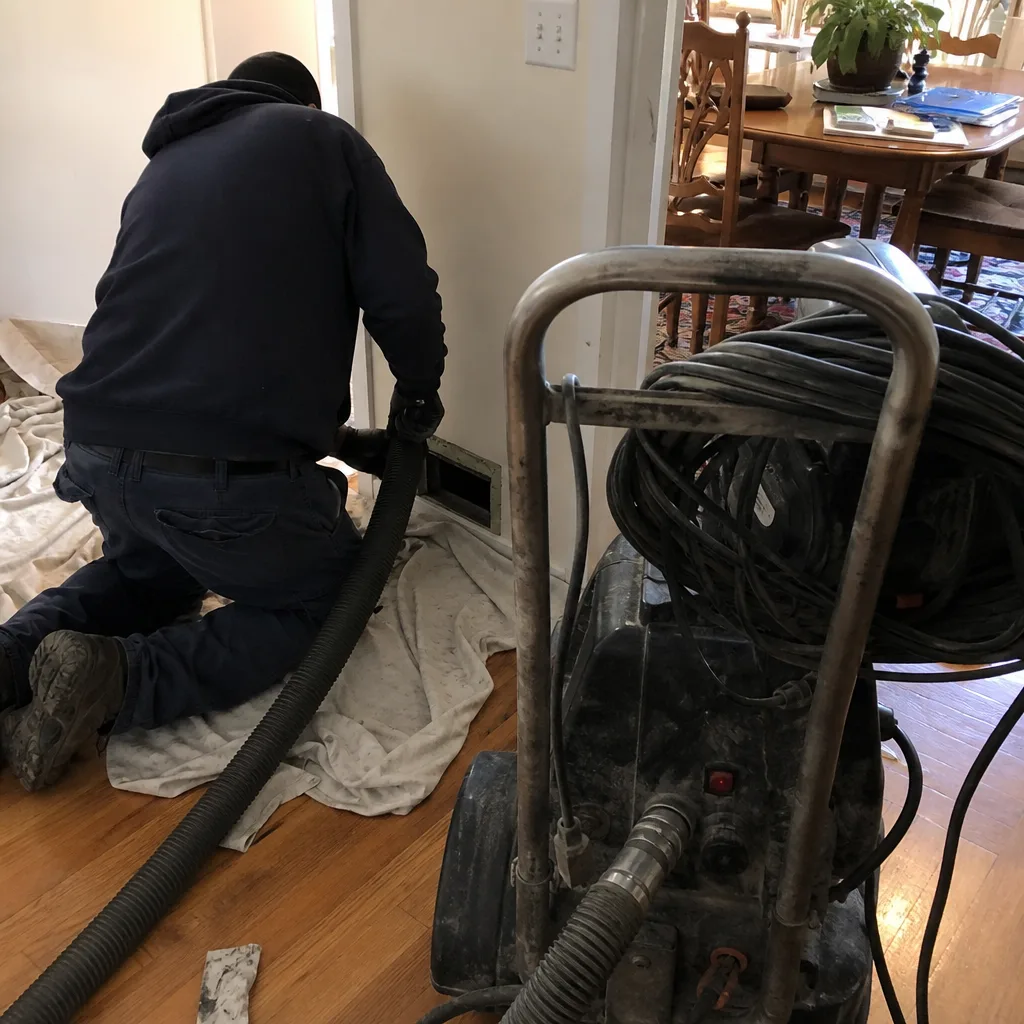 Before
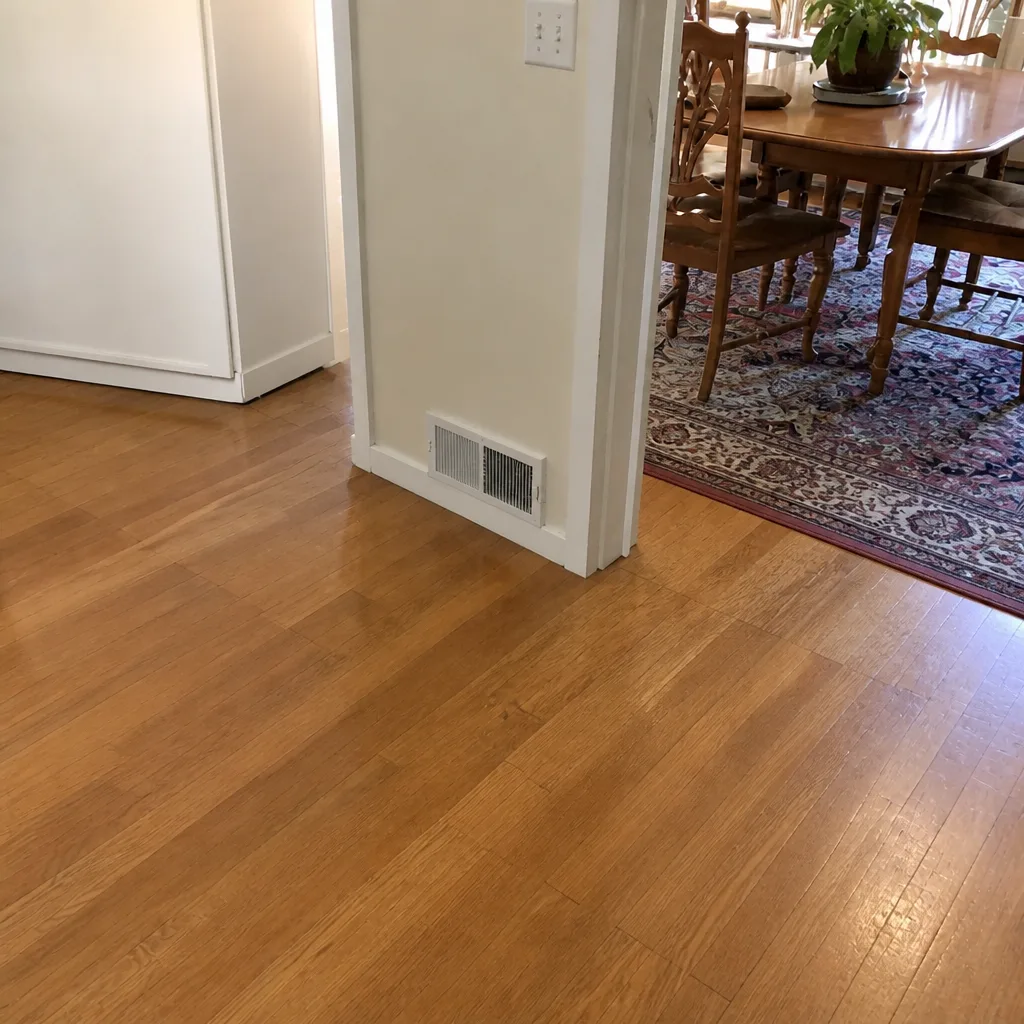 After
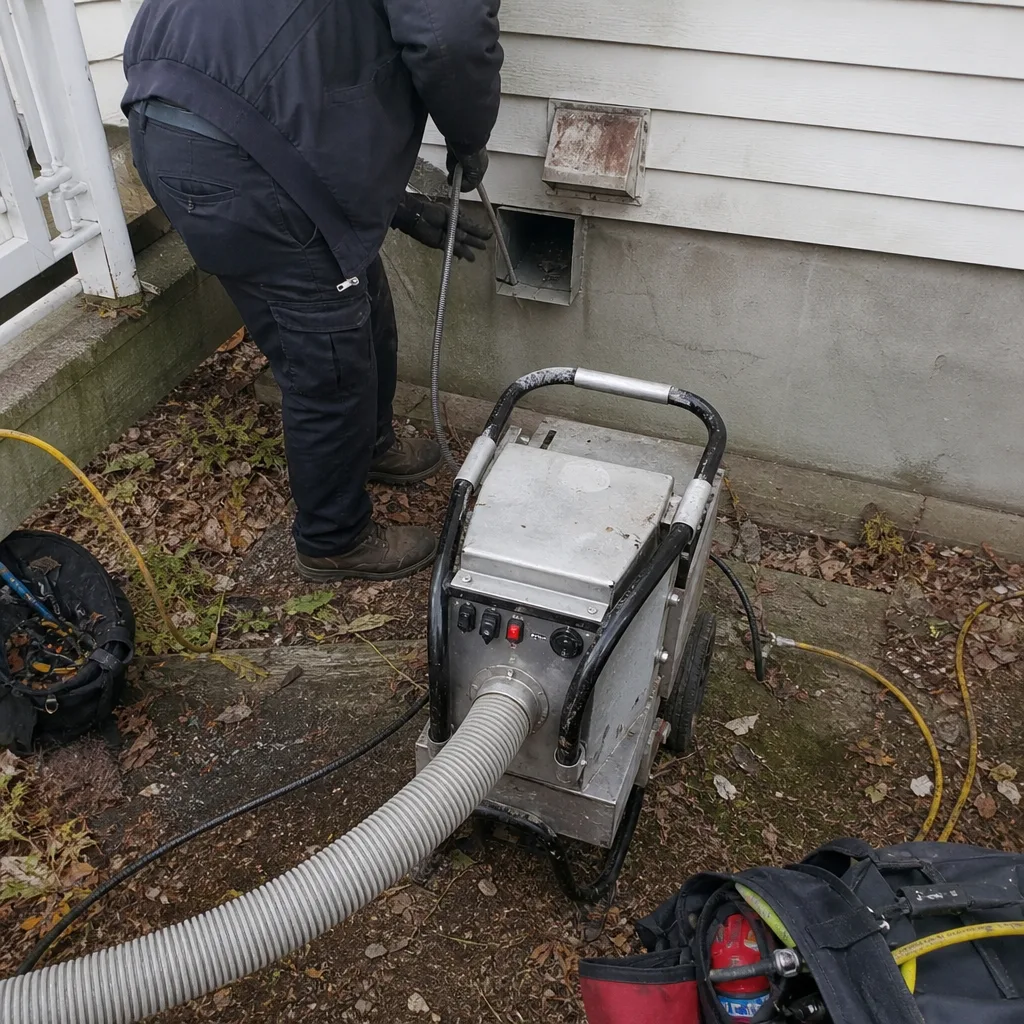 Before
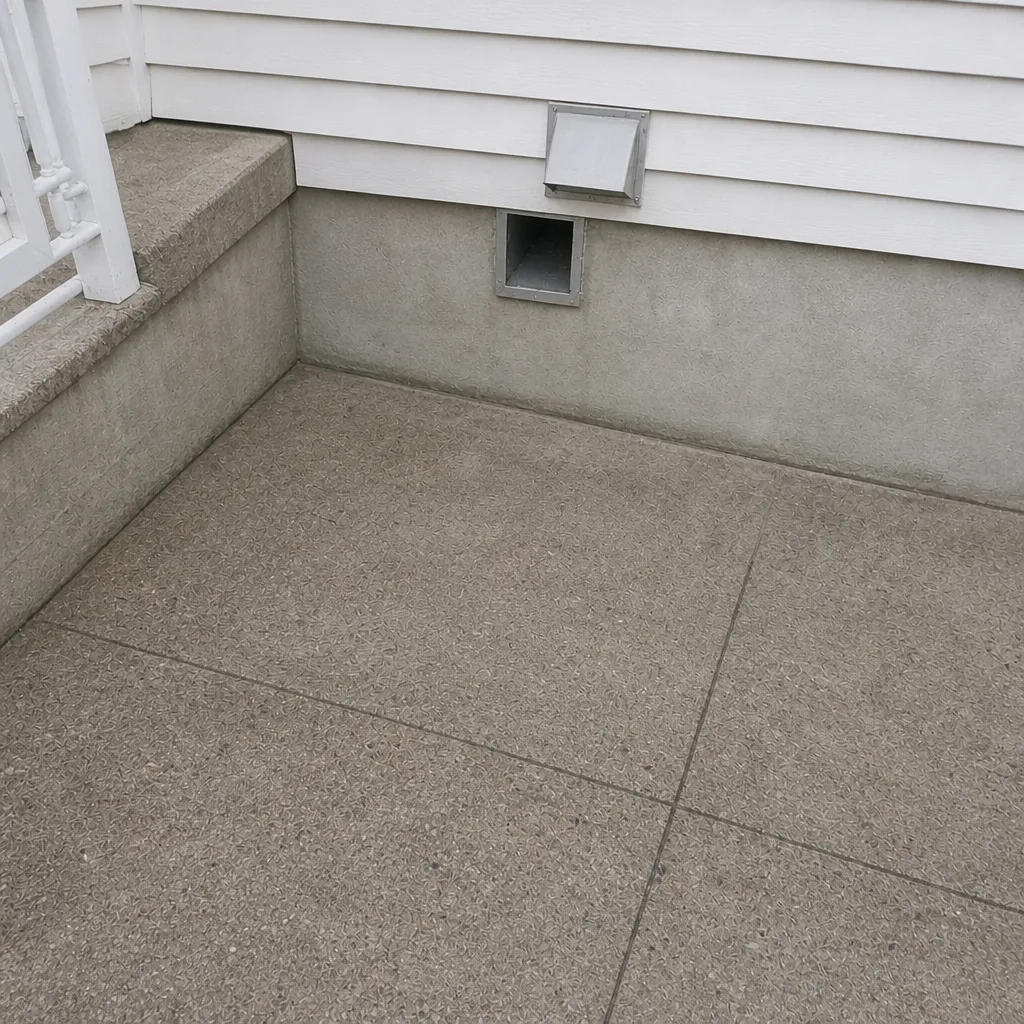 After
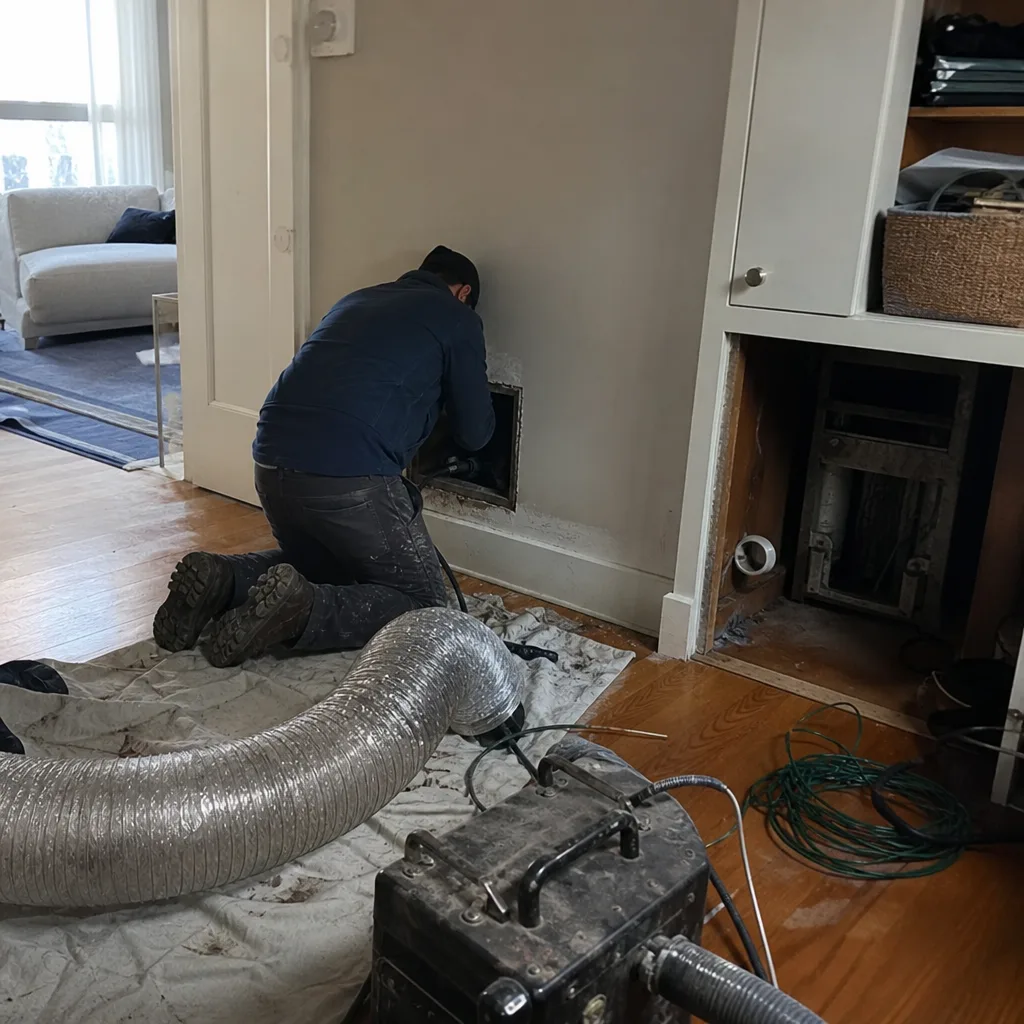 Before
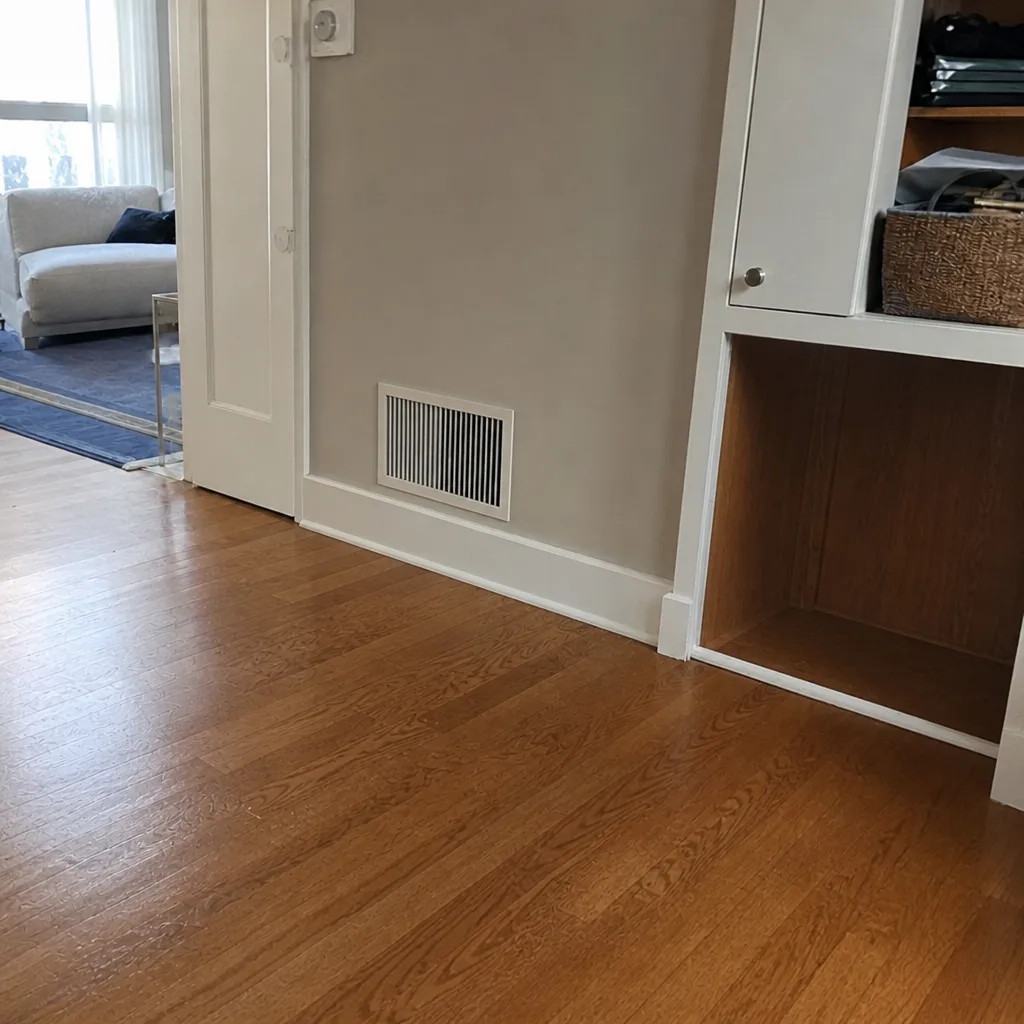 After
When to Call a Professional
You don’t need a duct cleaning on a fixed schedule. But you do want professional eyes when any of the following is true: you’ve just finished a renovation and sheetrock dust is circulating, you notice visible buildup at the registers, your ductwork is generating more dust on surfaces than usual, a family member deals with allergies, or your HVAC system was recently replaced and the ducts haven’t been evaluated since. A dryer that takes too long to dry clothes is its own signal. If the inspection turns up a leak or disconnected duct, that’s repair territory, and you want a contractor who does both. Duct Cleaning Quincy offers free estimates in Quincy. Call (855) 632-0215. We answer 24/7. Fast dispatch from 7am to 7pm, Sunday through Friday.
Frequently Asked Questions
Pricing for duct cleaning in Quincy is set per system, not per vent, and the written estimate determines the final price. We don’t quote a per-vent figure because it rewards speed over thoroughness. Call (855) 632-0215 for an exact quote. Estimates are free.
Cheaper quotes are usually cheaper because of what’s left out: lighter equipment, no inspection, a shorter visit, or a low headline price that grows once the technician is inside. The fix isn’t to distrust every low quote; it’s to ask the five equipment questions and insist on a written scope. Call (855) 632-0215 to see how a fair, whole-system quote is built.
Ask for before-and-after photos of your own ducts, and ask for the written scope of work to be signed before work begins. A contractor using a camera will be able to show you what was inside the duct before and after. Ask about photos and scope before you book. Call (855) 632-0215 with any questions.
There’s no fixed schedule that fits every home. Renovation history, pets, HVAC replacement, and contamination seen on inspection are what determine timing, not the calendar. A camera inspection tells you what your specific system needs. Call (855) 632-0215 to book an evaluation.
We clean and we repair, so a single visit can address both contamination and structural problems. Most duct-cleaning-only companies will spot a leak or disconnected run and hand you the number of someone else. Ask any contractor this question before you hire. Call (855) 632-0215 to discuss a repair.
Ask for the vacuum brand and type, its CFM rating, the agitation tools used, whether camera inspection is included, and the containment method employed. Those five answers tell you whether real equipment is behind the job. We use Rotobrush rotary systems, Nikro HEPA vacuums, and Abatement Technologies negative-air machines. Call (855) 632-0215 to talk through what your home needs.
The Bottom Line
Hiring a duct cleaning contractor in Quincy comes down to asking specific questions and insisting on written answers. Verify the equipment (vacuum type, CFM, agitation, camera, containment), reject per-vent pricing in favor of a flat price per system, confirm insurance covers HVAC and duct work, and read the scope of work line by line. The contractor who asks you the most questions before quoting is usually the one worth hiring. And if the inspection turns up a leak or disconnected duct, you want the company that can fix it on the same visit, not hand you another number. Fair evaluation beats low price every time.
Call Duct Cleaning Quincy at (855) 632-0215 for a free estimate. We answer 24/7. Fast dispatch from 7am to 7pm, Sunday through Friday. Whether your ducts need air duct cleaning, dryer vent service, or a repair, one visit will tell you what we’re looking at and what the flat price per system will be, agreed in writing before any work starts.
Written by the team at Duct Cleaning Quincy.